

Working Principle and Characteristics of Activated Carbon Pneumatic Conveying
HeadPowder, a leading provider of material handling solutions, specializes in activated carbon pneumatic conveying systems. Headquartered in Shandong, China, the company has built a reputation for delivering efficient and reliable equipment for transporting activated carbon. This article explores the fundamental working principle and key characteristics of such systems, offering a detailed understanding of how they operate and the advantages they offer to various industrial applications.

Working Principle of Activated Carbon Pneumatic Conveying
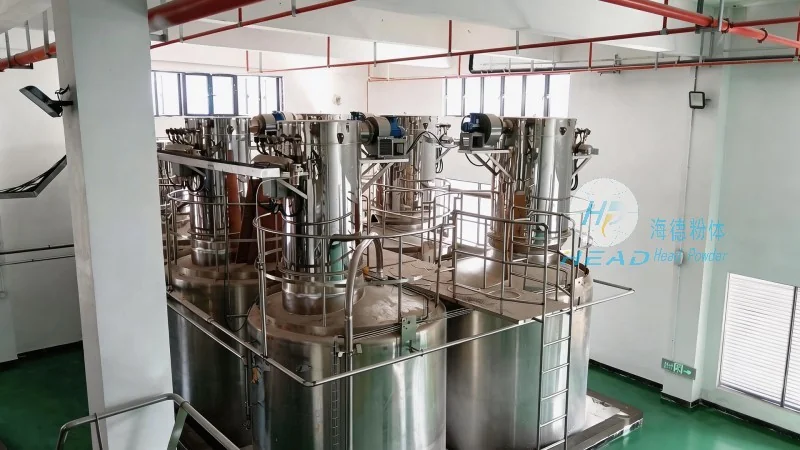
The operation of activated carbon pneumatic conveying systems is centered on the use of compressed air to transport the material. The process begins with the activated carbon being fed into a hopper or feeder, where it is then introduced into a pipeline. Compressed air, generated by a blower or compressor, is introduced into the pipeline, creating a flow that lifts and propels the carbon particles. The air velocity and pressure are carefully regulated to maintain a stable and controlled flow, preventing issues like clogging or material degradation. The system may incorporate components such as cyclones or filters to separate the carbon from the air stream, ensuring the material is delivered to its destination without loss or contamination. This method eliminates the need for mechanical components like belts or buckets, reducing maintenance and operational costs while enhancing safety. The enclosed nature of the system also minimizes dust exposure and environmental impact, making it suitable for applications where material purity and safety are critical.
Key Characteristics and Advantages of Activated Carbon Pneumatic Conveying Systems
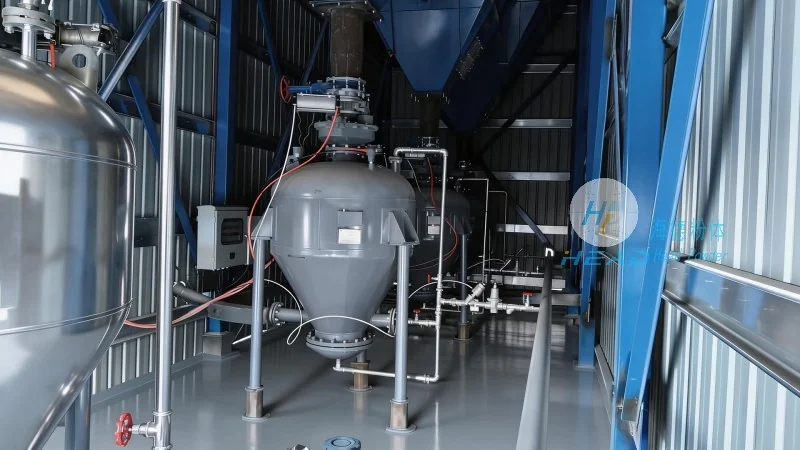
Activated carbon pneumatic conveying systems exhibit several defining characteristics that make them ideal for handling activated carbon. Firstly, they provide high efficiency in material transport, capable of moving large quantities of carbon over considerable distances with minimal energy consumption. The precise control over air flow and pressure allows for consistent delivery speeds, which is essential for maintaining the quality of activated carbon, often sensitive to handling conditions. Secondly, the system is highly effective in preventing dust and contamination, as the material remains contained within the pipeline and air stream. This is particularly important for activated carbon used in air purification and water treatment, where purity is non-negotiable. The enclosed design also reduces environmental pollution and improves workplace safety by limiting exposure to airborne particles. Additionally, the absence of mechanical moving parts reduces wear and tear, leading to lower maintenance requirements and extended system lifespans. This makes the system cost-effective in the long term, with reduced operational and maintenance expenses compared to traditional methods. The flexibility of the system allows for easy integration into existing production lines, adapting to diverse process requirements without major modifications. Overall, the characteristics of activated carbon pneumatic conveying systems position them as a preferred solution for industries seeking reliable, efficient, and safe material handling.
Conclusion and Company Profile
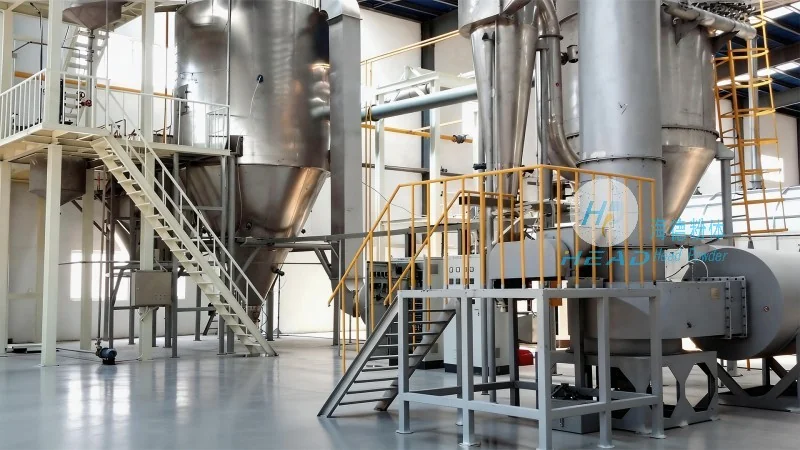
Activated carbon pneumatic conveying systems represent a sophisticated approach to material transport, merging pneumatic technology with the specific demands of activated carbon handling. By utilizing compressed air to move the material, these systems deliver efficiency, safety, and environmental benefits. HeadPowder, with its expertise and commitment to quality, offers comprehensive solutions tailored to the needs of various industries. Based in Shandong, China, the company continues to innovate and enhance its systems, ensuring clients receive reliable and effective activated carbon conveying solutions. Whether for industrial or commercial use, the principles and characteristics discussed here underscore the value and importance of such systems in modern material handling, supporting processes that require high purity, efficiency, and safety.