

Working Principle and Characteristics of Urea Granule Pneumatic Conveying
Urea granule pneumatic conveying is a vital technology in the fertilizer and chemical sectors, facilitating the efficient and safe transport of urea granules from storage to processing or packaging stages. This method leverages air as the conveying medium, which is essential for moving bulk materials like urea granules over extended distances or within complex industrial setups.
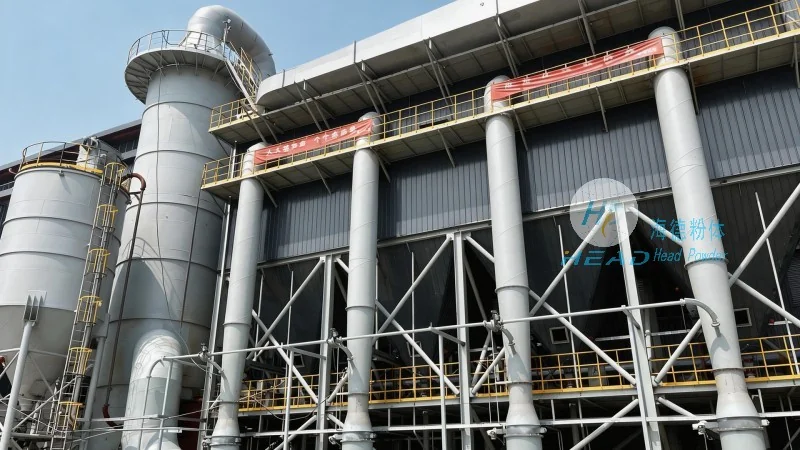
Working Principle of Urea Granule Pneumatic Conveying
The fundamental working principle of urea granule pneumatic conveying involves establishing a pressure differential between the conveying line and the ambient environment. A blower or compressor generates high-pressure air, which is then introduced into the conveying pipeline. As the air flows through the system, it lifts and propels the urea granules along the path. The process typically begins with a hopper or storage bin where the urea granules are fed into the conveying line, often via a feeder mechanism to control the flow rate. The air velocity within the pipeline is maintained at a level sufficient to keep the granules in suspension, preventing settlement or clogging. At the destination point—such as a mixer or packaging machine—the air is released or filtered, allowing the urea granules to be deposited. The entire operation is designed to be continuous and automated, minimizing manual intervention and ensuring consistent material flow.
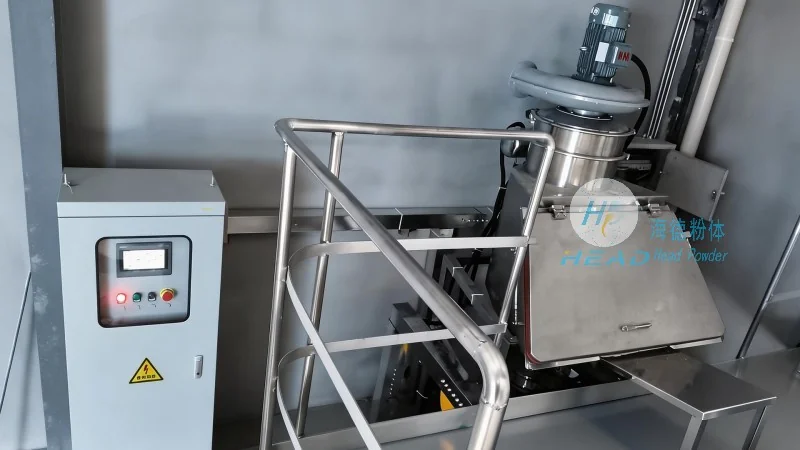
Key Characteristics of Urea Granule Pneumatic Conveying Systems
Urea granule pneumatic conveying systems possess several distinct characteristics that make them advantageous for industrial applications. Firstly, they offer high efficiency in material transport, as the air flow can move large quantities of urea granules quickly with minimal energy loss compared to traditional mechanical conveyors. This efficiency is particularly valuable in large-scale fertilizer production facilities where throughput is critical. Secondly, the system is highly flexible, enabling changes to the conveying route or destination without significant infrastructure modifications. This adaptability is beneficial when production lines are reconfigured or new processing units are added. Thirdly, pneumatic conveying is relatively low maintenance compared to other bulk handling methods. The absence of moving parts in the conveying line reduces wear and tear, leading to lower operational costs and longer equipment lifespan. Additionally, the system is inherently safe, as it eliminates the need for heavy machinery or manual handling of large quantities of urea granules, reducing workplace accident risks. Finally, the technology is environmentally friendly, as it uses compressed air rather than mechanical components that might generate noise or produce waste. The air can be filtered and recycled, minimizing the environmental impact of the conveying operation.
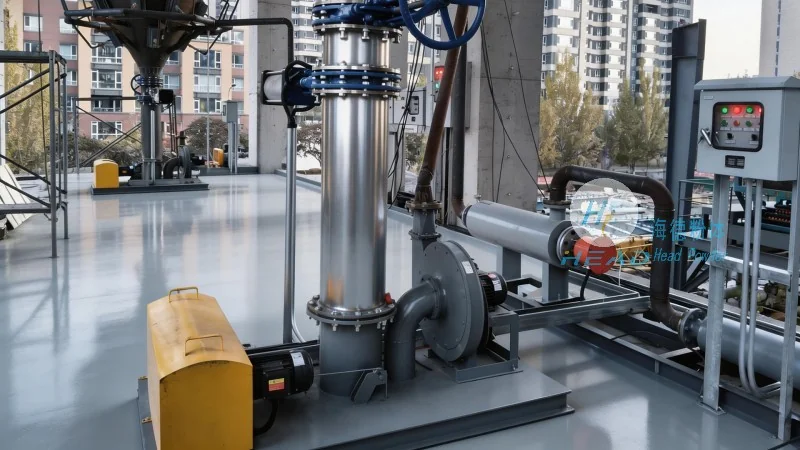
Company Information: Shandong HeadPowder Engineering Co., Ltd.
Shandong HeadPowder Engineering Co., Ltd., a leading provider of bulk material handling solutions, specializes in the design, manufacturing, and installation of pneumatic conveying systems for industries including agriculture and chemicals. With a focus on innovation and customer satisfaction, the company has established itself as a trusted partner for businesses seeking reliable and efficient urea granule conveying solutions. HeadPowder's expertise lies in customizing systems to meet specific operational requirements, ensuring optimal performance and longevity. The company's facilities are located in Shandong, China, where it leverages advanced technology and skilled personnel to deliver high-quality products and services to clients worldwide.