

What is a Negative Pressure Vacuum Powder Pneumatic Conveying Machine? What is its Design Principle?
Understanding the Negative Pressure Vacuum Powder Pneumatic Conveying Machine and Its Design Principles
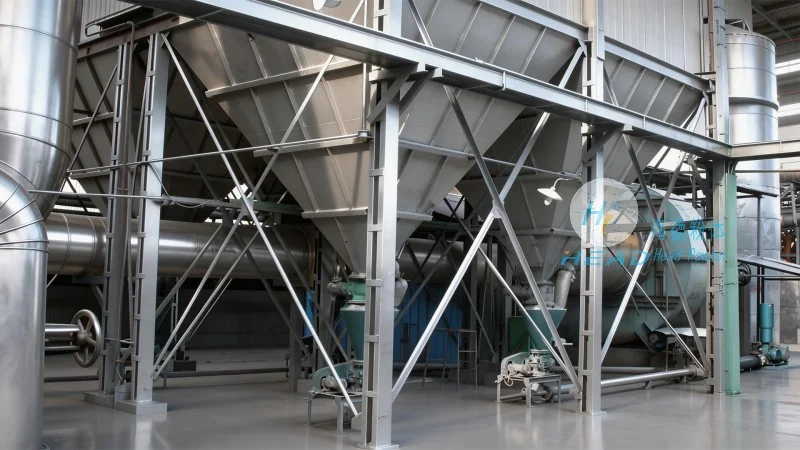
Introduction to Negative Pressure Vacuum Powder Pneumatic Conveying Systems
For industrial applications requiring the efficient and safe transport of powders and bulk materials, negative pressure vacuum pneumatic conveying machines offer a reliable solution. These systems are engineered to move dry powders and granules from one location to another using a vacuum-induced airflow, ensuring minimal product degradation and contamination. The technology is widely used across various industries, including pharmaceuticals, food processing, chemicals, and manufacturing, where maintaining product integrity is paramount.
About Shandong HeadPowder Engineering Co., Ltd.
Shandong HeadPowder Engineering Co., Ltd., headquartered in Shandong, China, is a leading manufacturer specializing in the design, development, and production of advanced pneumatic conveying equipment. With a strong commitment to quality and innovation, the company has established itself as a trusted partner for businesses seeking efficient material handling solutions. HeadPowder's expertise lies in creating customized systems that meet the unique requirements of each client, ensuring optimal performance and durability.
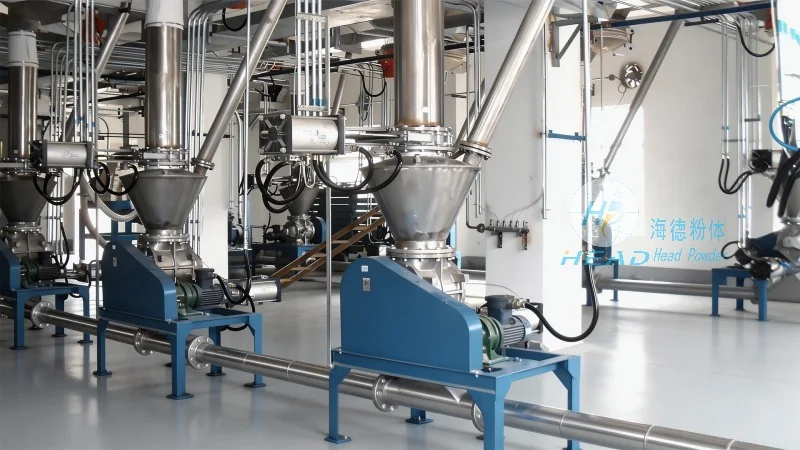
Key Components and Design Principles of Negative Pressure Vacuum Conveying Machines
The core of a negative pressure vacuum powder pneumatic conveying system consists of several critical components, each playing a vital role in the overall operation. The primary elements include a vacuum pump, a conveying line, a material feed hopper, a filter, and a discharge outlet. The system operates by creating a negative pressure (vacuum) within the conveying line, which draws the powder from the source into the system. The vacuum pump generates the necessary suction force, while the conveying line transports the material to the destination. The feed hopper ensures a consistent supply of material, and the filter removes any airborne particles, protecting both the system and the environment.
The design principle revolves around maintaining a stable and controlled airflow to prevent material segregation and blockages. The system is typically configured as a closed loop, with the vacuum pump continuously operating to maintain the required pressure differential. This design minimizes the risk of product spillage and exposure to contaminants, making it suitable for applications where product purity is critical. Additionally, the use of appropriate materials for the conveying line and components ensures resistance to corrosion and wear, extending the lifespan of the equipment.
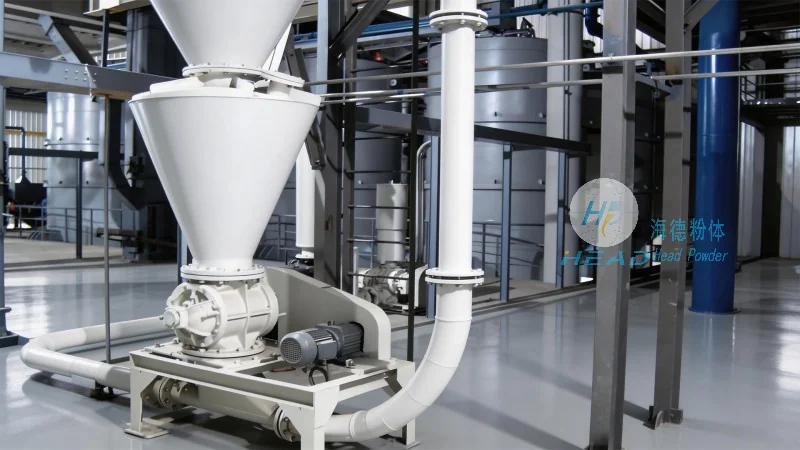
Advantages of Negative Pressure Vacuum Pneumatic Conveying
Compared to positive pressure systems, negative pressure vacuum conveying offers several advantages that make it a preferred choice for many industries. One of the key benefits is the reduced risk of product contamination, as the system operates in a sealed environment. This is particularly important for sensitive materials such as pharmaceuticals, food products, and chemicals. Another advantage is the lower energy consumption, as the vacuum pump operates at a lower pressure compared to positive pressure systems. This results in cost savings and reduced environmental impact. Furthermore, the system is more flexible in terms of layout, allowing for longer conveying distances and more complex routes without the need for additional booster pumps.
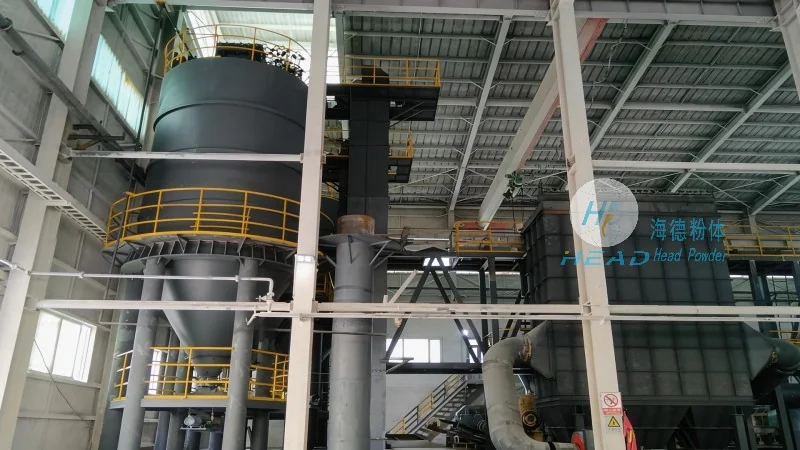
Applications and Industries Served
Negative pressure vacuum powder pneumatic conveying machines are versatile and can be applied to a wide range of industries and applications. In the pharmaceutical industry, they are used for the transport of active pharmaceutical ingredients (APIs) and excipients, ensuring that the materials remain sterile and free from contamination. In the food processing sector, these systems are employed for handling dry ingredients like flour, sugar, and spices, maintaining the quality and safety of the final products. The chemical industry utilizes them for transporting powders such as pigments, catalysts, and reagents, where precise control over the material is essential. Additionally, in the manufacturing sector, they are used for the handling of bulk materials like plastics, ceramics, and metal powders, improving production efficiency and reducing labor costs.
Conclusion
Negative pressure vacuum powder pneumatic conveying machines represent a sophisticated and efficient solution for the transport of dry powders and bulk materials. With their ability to maintain product integrity, minimize contamination, and operate with lower energy consumption, these systems are indispensable in modern industrial processes. Shandong HeadPowder Engineering Co., Ltd. continues to lead the way in developing advanced pneumatic conveying technologies, providing customized solutions that meet the evolving needs of industries worldwide. By understanding the design principles and advantages of these systems, businesses can make informed decisions to enhance their material handling operations and achieve greater efficiency and productivity.