

What is a Lightweight Aggregate Powder Pneumatic Conveying System? What are its Design Principles?
Lightweight aggregate powder pneumatic conveying systems are specialized industrial equipment designed to transport lightweight aggregate powders efficiently and safely. These systems utilize pneumatic principles to move bulk materials through a network of pipes, often employing positive or negative pressure to control material flow. The design of such systems is critical for ensuring optimal performance, reliability, and cost-effectiveness in various industrial applications.
Introduction to Lightweight Aggregate Powder Pneumatic Conveying Systems
Lightweight aggregate powders, such as expanded clay, perlite, or vermiculite, are commonly used in construction, insulation, and other manufacturing processes. Conventional methods for transporting these powders, like bucket elevators or belt conveyors, may not be suitable due to the material's light weight, low density, and potential for dust generation. Pneumatic conveying systems offer a solution by using air as the conveying medium, allowing for gentle and controlled movement of the powder without the need for mechanical contact.
Company Overview: Shandong HeadPowder Engineering Co., Ltd.
HeadPowder, a leading manufacturer based in Shandong, China, specializes in the design, development, and production of advanced pneumatic conveying systems. With years of industry experience, the company has built a reputation for delivering high-quality, customized solutions tailored to the unique needs of clients in diverse sectors. HeadPowder's commitment to innovation and precision engineering ensures that their systems meet stringent performance standards and provide long-term operational reliability.
Core Components of a Pneumatic Conveying System
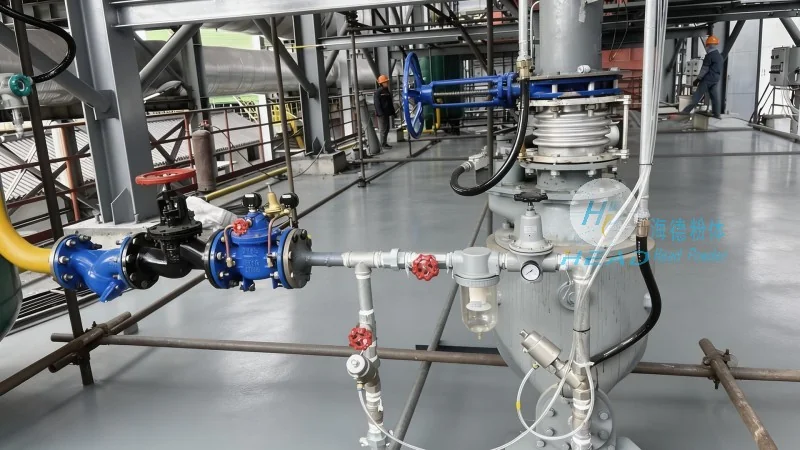
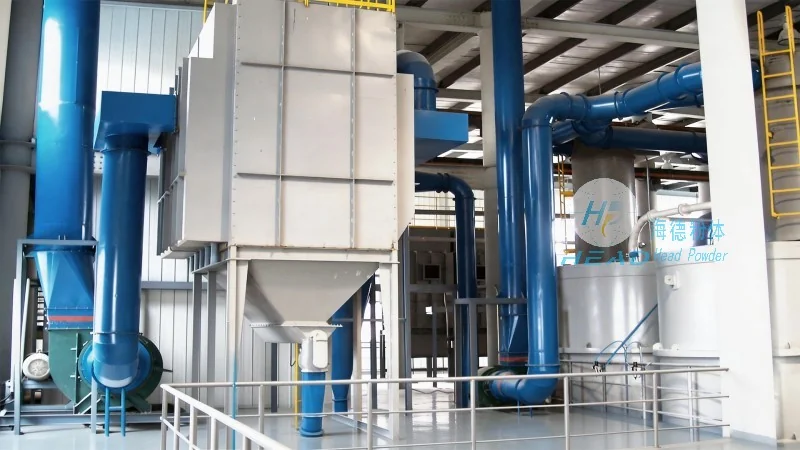
A typical lightweight aggregate powder pneumatic conveying system consists of several key components that work in tandem to achieve efficient material transport. These include the material feed hopper, which stores and regulates the powder supply; the conveying line, which may be composed of straight or curved pipes; the air supply system, which generates the necessary pressure or vacuum; and the control valves and sensors that monitor and adjust the system's operation. The system may also feature a dust collection unit to ensure environmental compliance and maintain air quality.
Design Principles for Efficient Operation
The design of a pneumatic conveying system for lightweight aggregates is guided by several fundamental principles aimed at maximizing efficiency and minimizing operational issues. One key principle is the selection of appropriate air velocity, which must be high enough to prevent material settling or blockages but low enough to avoid excessive energy consumption. The system's layout, including pipe diameter, length, and bends, is carefully calculated to maintain consistent air flow and prevent pressure drops that could lead to material deposition. Additionally, the use of specialized materials for the conveying line, such as stainless steel or corrosion-resistant alloys, is essential to withstand the abrasive nature of lightweight aggregates and ensure durability.
Advantages of Pneumatic Conveying for Lightweight Aggregates
Compared to traditional mechanical conveying methods, pneumatic systems offer several advantages when handling lightweight aggregate powders. These include the ability to transport materials over long distances without the need for multiple transfer points, reduced risk of material contamination due to enclosed systems, and lower maintenance requirements as there are fewer moving parts. Furthermore, pneumatic conveying can be integrated with other processing equipment, such as mixers or classifiers, to create a seamless production line. The gentle handling of the powder also helps preserve its quality and prevents degradation, which is critical for applications where the aggregate's properties are essential to the final product.
Application Examples in Industrial Settings
Lightweight aggregate powder pneumatic conveying systems are widely used in various industrial applications. In the construction industry, these systems are employed to transport expanded clay or perlite for use in lightweight concrete, insulation boards, or drywall products. In the manufacturing sector, they are used to move vermiculite for use in fireproofing materials or as a filler in composite products. Additionally, in the chemical and pharmaceutical industries, pneumatic conveying is used to transport lightweight powders for processing or packaging, ensuring a clean and efficient workflow.
Customization and Integration Capabilities
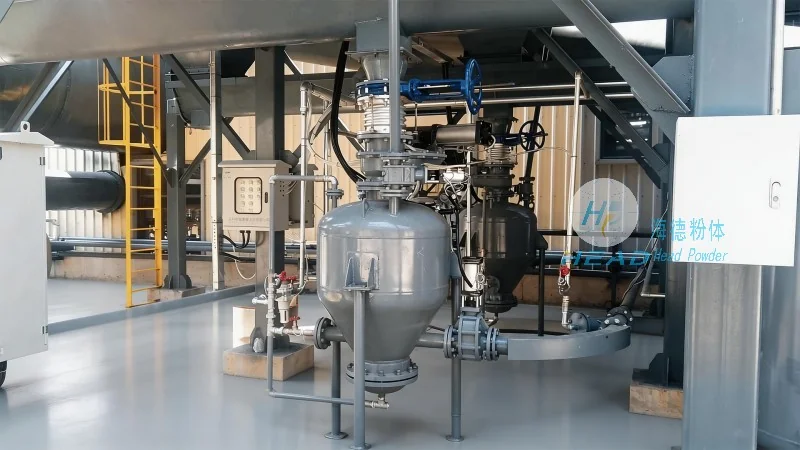
HeadPowder recognizes that each industrial application has unique requirements, and therefore, offers comprehensive customization options for their pneumatic conveying systems. Clients can specify the system's capacity, pressure range, and material handling capabilities to suit their specific needs. The company also provides integration services, ensuring that the conveying system can be seamlessly connected with existing production lines or equipment. This flexibility allows clients to optimize their operations and achieve higher productivity while maintaining cost-effectiveness.
Maintenance and Operational Considerations
Proper maintenance is crucial for ensuring the long-term performance and reliability of a lightweight aggregate powder pneumatic conveying system. Regular inspections of the conveying line, air filters, and control components are essential to prevent blockages or system failures. Additionally, the system's air supply must be clean and dry to avoid moisture-related issues that could affect the quality of the lightweight aggregate. HeadPowder provides comprehensive maintenance services and technical support to help clients maximize the lifespan of their equipment and minimize downtime.
Conclusion
Lightweight aggregate powder pneumatic conveying systems represent a sophisticated solution for efficiently transporting bulk materials in industrial settings. By leveraging pneumatic principles and advanced engineering, these systems offer numerous advantages over traditional mechanical methods, including improved efficiency, reduced risk of contamination, and enhanced operational flexibility. With a commitment to quality and innovation, companies like Shandong HeadPowder Engineering Co., Ltd. continue to provide reliable and customized solutions that meet the evolving needs of the industry. For businesses seeking to optimize their material handling processes, investing in a well-designed pneumatic conveying system is a strategic step toward enhanced productivity and cost savings.