

What is a Potassium Hydroxide Powder Pneumatic Conveying System? And What Are Its Design Principles?
When it comes to handling potassium hydroxide (KOH) powder in industrial settings, the choice of material transport method can significantly impact efficiency, safety, and overall operational costs. One of the most advanced solutions in this domain is the pneumatic conveying system, a technology that uses pressurized air or gas to move powders like KOH through a network of pipes. This article explores the fundamentals of a potassium hydroxide powder pneumatic conveying system and delves into the core design principles that ensure reliable and efficient operation.
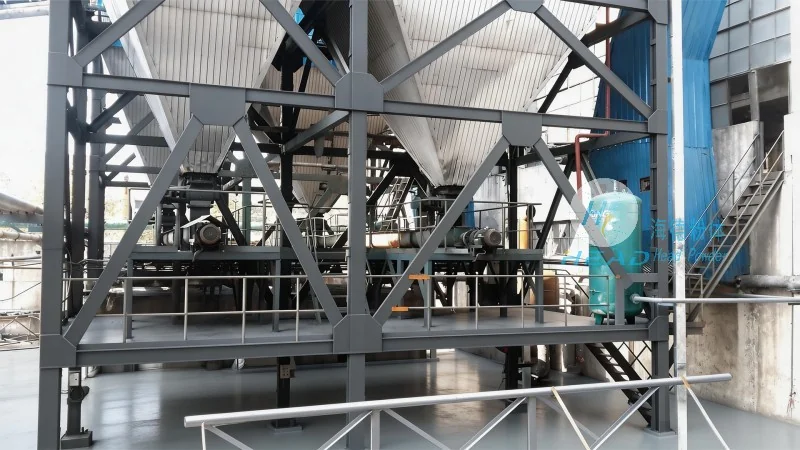
Introduction to Potassium Hydroxide Powder Pneumatic Conveying Systems
A pneumatic conveying system for potassium hydroxide powder is a closed-loop or open-loop system designed to transport dry powders through a pipeline using air or other gases. Unlike traditional bulk handling methods such as belt conveyors or bucket elevators, pneumatic systems offer advantages like reduced dust generation, improved product containment, and the ability to handle materials in a controlled environment. For industries dealing with caustic substances like KOH, which can be hazardous if not managed properly, this technology is particularly valuable. The system typically consists of several key components, including a material feeder, a gas source (usually a blower or compressor), a conveying line, and a receiver or separator.
Key Components of a Pneumatic Conveying System
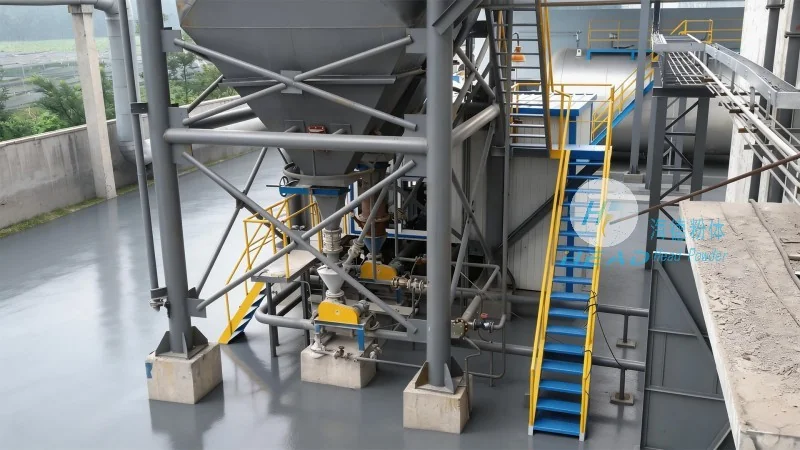
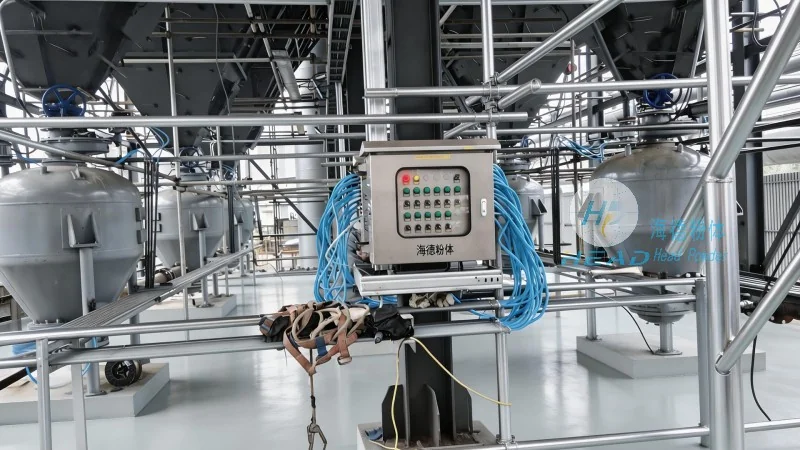
The effectiveness of a potassium hydroxide powder pneumatic conveying system hinges on the proper integration of its main components. The material feeder is responsible for introducing the powder into the system in a controlled manner, ensuring a consistent flow rate. This component must be designed to handle the specific characteristics of KOH powder, such as its moisture content, flowability, and potential agglomeration. The gas source provides the necessary pressure and volume of air or gas to move the powder through the pipeline. In industrial applications, this is often a positive displacement blower or a rotary lobe compressor, chosen based on the system's required pressure and flow rate. The conveying line, usually made of stainless steel or other corrosion-resistant materials, is the pathway for the powder and gas mixture. The choice of pipe material is critical, as KOH is a strong alkaline substance that can corrode many metals. Finally, the receiver or separator is where the powder is deposited and the air is discharged. This component may include a cyclone separator or a bag filter to prevent dust from escaping into the environment.
Design Principles for Efficient Potassium Hydroxide Powder Handling
Designing an optimal pneumatic conveying system for potassium hydroxide powder involves several key principles aimed at maximizing efficiency and minimizing operational issues. One of the primary considerations is the system's pressure and velocity. The pressure must be sufficient to overcome the resistance of the pipeline and the powder's density, while the velocity must be high enough to prevent the powder from settling or clogging the line. Engineers typically use the "velocity map" concept, which relates the conveying velocity to the pressure drop along the pipeline. Another critical factor is the system's layout and pipe sizing. The length and diameter of the conveying line, as well as the number of bends and fittings, all affect the pressure drop and the overall system performance. Proper pipe sizing ensures that the gas velocity remains within an optimal range, typically between 20 and 30 meters per second for fine powders like KOH. Additionally, the design must account for the material's properties, such as its particle size distribution, bulk density, and flowability. For example, finer particles may require higher velocities to prevent settling, while cohesive powders may need special feeders or additives to improve flow.
The Role of Material Properties in System Design
The physical and chemical properties of potassium hydroxide powder play a crucial role in determining the design of the pneumatic conveying system. KOH is a white or grayish solid with a high melting point and strong alkaline properties. Its particle size can vary widely, from fine powders to larger granules, depending on the production process. The bulk density of KOH is typically around 0.9 to 1.1 g/cm³, which affects the system's capacity and the required air volume. The flowability of the powder is also important; if the powder is cohesive or prone to agglomeration, it may require pre-treatment or specialized feeding mechanisms to ensure smooth transport. Furthermore, KOH is hygroscopic, meaning it can absorb moisture from the air, which can lead to caking or increased dust generation. This property necessitates the use of dry, filtered air in the system to maintain the powder's quality and prevent blockages. Engineers must also consider the chemical compatibility of the system components with KOH. Since KOH is a strong base, materials like stainless steel (specifically 316L or higher grades) or PTFE-coated components are commonly used to prevent corrosion and ensure long-term durability.
Application Scenarios and Operational Considerations
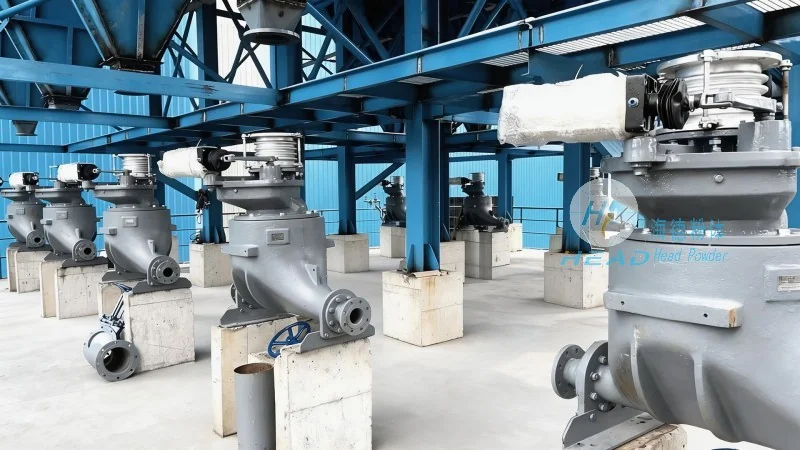
Potassium hydroxide powder pneumatic conveying systems are widely used in various industrial applications, including chemical manufacturing, food processing, and pharmaceuticals. In chemical plants, these systems are often employed to transport KOH from storage silos to reactors or processing units, ensuring a continuous and safe supply of the material. In the food industry, KOH is used as a pH adjuster or in the production of certain food additives, and pneumatic conveying helps maintain product purity and prevent contamination. The operational considerations for such systems include regular maintenance and monitoring to ensure optimal performance. This includes checking the condition of the feeder, the efficiency of the gas source, and the cleanliness of the separator. Safety is also a top priority, as KOH is a caustic substance that can cause severe burns if it comes into contact with skin or eyes. The system must be equipped with appropriate safety features, such as pressure relief valves, dust collection systems, and emergency shutdown mechanisms. Additionally, the system's energy consumption should be considered, as pneumatic conveying can be energy-intensive. Optimizing the design to minimize pressure drop and using energy-efficient gas sources can help reduce operational costs.
Shandong HeadPowder Engineering Co., Ltd., a leading provider of powder handling solutions, specializes in designing and manufacturing customized pneumatic conveying systems for potassium hydroxide and other industrial powders. With years of experience in the field, the company leverages advanced engineering principles and materials science to develop systems that meet the specific needs of its clients. The company's headquarters is located in Shandong, China, where it operates a state-of-the-art facility dedicated to research, development, and production of high-quality powder handling equipment. By combining technical expertise with customer-centric solutions, Shandong HeadPowder Engineering Co., Ltd. helps industries enhance their operational efficiency, improve safety, and reduce costs associated with powder handling.