

What is Seasoning Powder Pneumatic Conveying Equipment? And What Are Its Design Principles?
Seasoning powder pneumatic conveying equipment is a specialized system designed to transport dry powder materials, such as various seasonings, spices, and other fine powders, from one location to another within industrial processes. This equipment plays a crucial role in the food and pharmaceutical industries, where the efficient and hygienic handling of powders is essential for maintaining product quality and safety. The system is manufactured by Shandong HeadPowder Engineering Co., Ltd., a leading company based in China, known for its high-quality and reliable equipment designed to meet the specific needs of the industry.
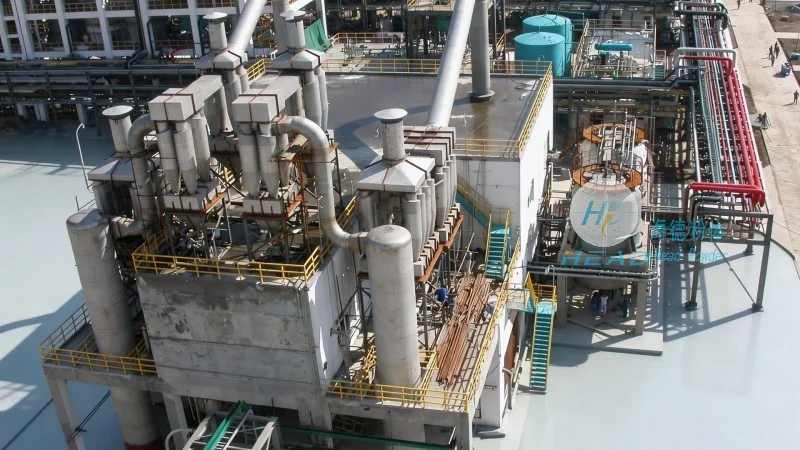
Understanding Seasoning Powder Pneumatic Conveying Systems
At the core of seasoning powder pneumatic conveying equipment is the pneumatic conveying principle, which utilizes air or gas to move powder particles through a pipeline system. This method offers several advantages over traditional mechanical conveying systems, including reduced risk of contamination, lower maintenance costs, and the ability to handle sensitive or hygroscopic powders without the need for direct contact with moving parts. The system typically consists of several key components, including a hopper for material storage, a feeder to control the flow of powder, a conveying line, and a receiver for the discharged material. Each component is carefully designed to work in harmony to ensure reliable and efficient powder transport.
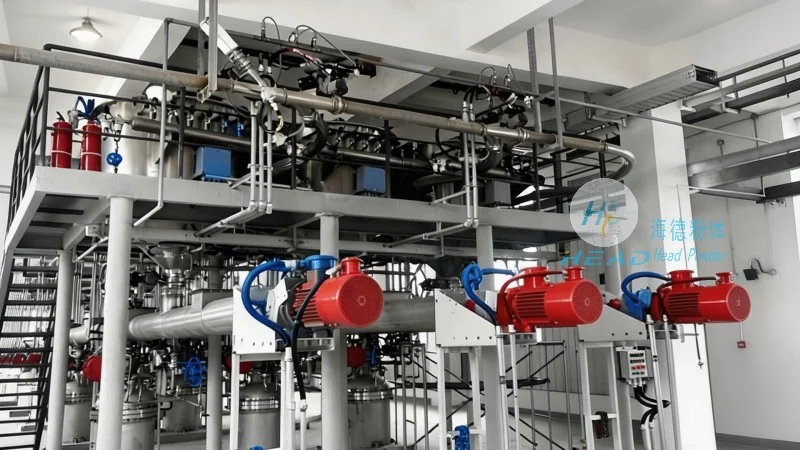
Key Design Principles for Seasoning Powder Conveying
The design of seasoning powder pneumatic conveying equipment follows several fundamental principles to ensure effective operation. First, the system must be capable of handling the specific physical properties of the powder, such as particle size distribution, density, and moisture content. This involves selecting appropriate equipment materials, such as stainless steel or food-grade plastics, to prevent contamination and ensure compliance with industry standards. Second, the conveying velocity and pressure must be optimized to prevent particle degradation, caking, or agglomeration during transport. Proper design of the conveying line, including the use of appropriate pipe diameters and bends, is critical to maintaining consistent flow and minimizing pressure losses. Third, the system must incorporate features for dust control and environmental protection, such as dust collection systems and sealed enclosures, to comply with occupational health and safety regulations and maintain a clean working environment.
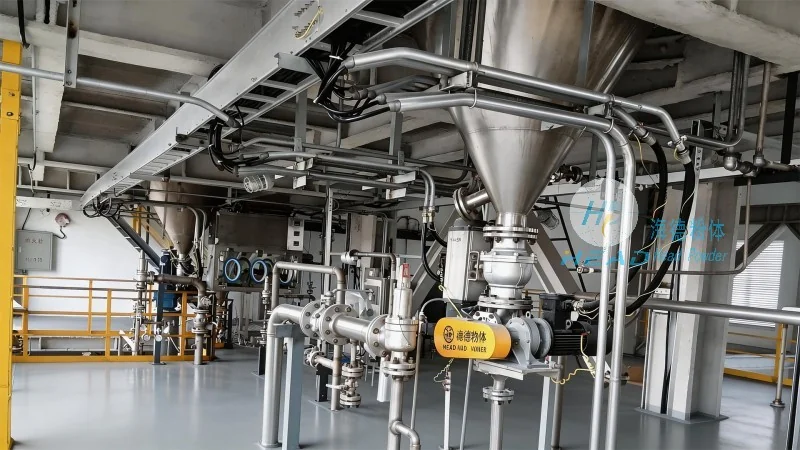
Components and Their Functions in Seasoning Powder Pneumatic Conveying
The main components of a seasoning powder pneumatic conveying system include the hopper, feeder, air compressor or blower, conveying line, and receiver. The hopper serves as the storage vessel for the powder, providing a controlled environment to prevent moisture absorption and contamination. The feeder, often a rotary valve or a vibratory feeder, regulates the flow of powder into the conveying line, ensuring a consistent feed rate. The air compressor or blower generates the necessary air pressure to move the powder particles through the system. The conveying line, typically made of stainless steel or plastic, transports the powder from the feeder to the receiver. The receiver collects the discharged powder and may include a dust collection system to capture any airborne particles. Each component is designed to work together to achieve efficient and reliable powder transport, with attention to material compatibility, durability, and ease of maintenance.
Advantages of Using Seasoning Powder Pneumatic Conveying Equipment
Seasoning powder pneumatic conveying equipment offers numerous advantages over traditional conveying methods. One of the primary benefits is the ability to handle fine and sensitive powders without the risk of mechanical damage or contamination. The enclosed system prevents dust exposure, reducing the risk of inhalation and maintaining a clean environment. Additionally, pneumatic conveying systems are flexible and can be easily integrated into existing production lines, allowing for changes in production volume or product types without significant modifications. The system also provides better control over the flow rate and pressure, ensuring consistent product quality and minimizing waste. Furthermore, the use of stainless steel components and food-grade materials ensures compliance with industry regulations, such as those from the FDA or EU, making it suitable for applications in the food and pharmaceutical industries.
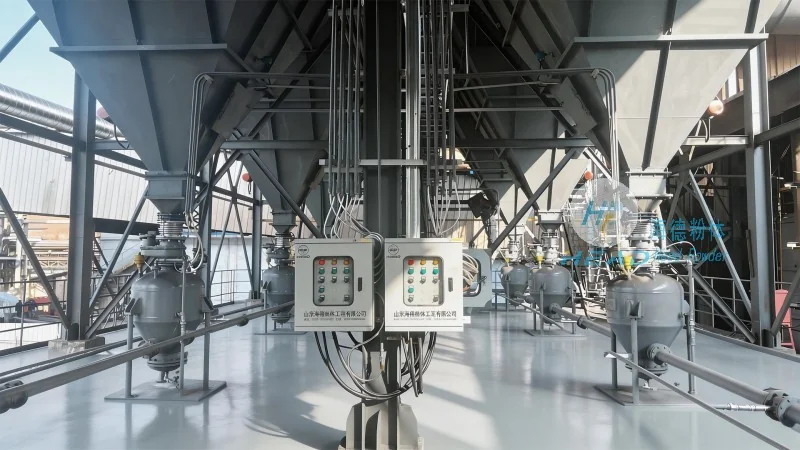
Applications in the Food and Pharmaceutical Industries
Seasoning powder pneumatic conveying equipment is widely used in various applications within the food and pharmaceutical industries. In the food industry, it is commonly used to transport spices, seasonings, and other flavoring agents from storage to processing lines, such as mixing or packaging equipment. The equipment ensures that these sensitive powders are handled hygienically and efficiently, maintaining their flavor and aroma. In the pharmaceutical industry, it is used to transport active pharmaceutical ingredients (APIs), excipients, and other fine powders used in the formulation of drugs. The system's ability to handle hygroscopic or sensitive powders makes it ideal for pharmaceutical applications, where product quality and safety are paramount. Additionally, the equipment can be designed to meet cGMP (current Good Manufacturing Practices) standards, ensuring that it meets the stringent requirements for pharmaceutical manufacturing.