

What is a Potassium Chloride Powder Pneumatic Conveying System? What Are Its Design Principles?
For industries dealing with bulk solid materials, especially in the fertilizer sector where potassium chloride (KCl) is a key component, efficient and reliable material handling is crucial. This is where a specialized system known as the potassium chloride powder pneumatic conveying system comes into play. Understanding its functionality and design principles is essential for optimizing production processes and ensuring safety and efficiency in material transport.
HeadPowder, a leading engineering company based in Shandong, China, specializes in the design, manufacturing, and implementation of advanced material handling solutions. With a strong focus on industrial applications, HeadPowder provides tailored solutions that meet the unique demands of clients in the chemical, fertilizer, and related industries. The company’s expertise lies in creating systems that enhance operational efficiency, reduce downtime, and ensure compliance with industry standards.
Potassium Chloride Powder Pneumatic Conveying System: Core Functionality
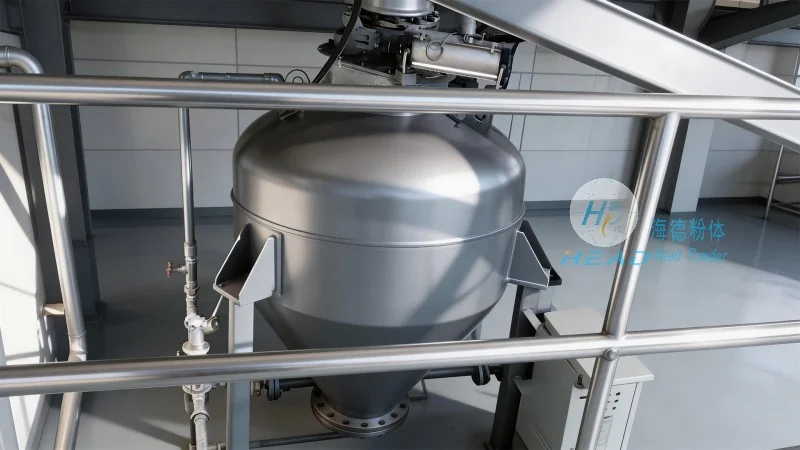
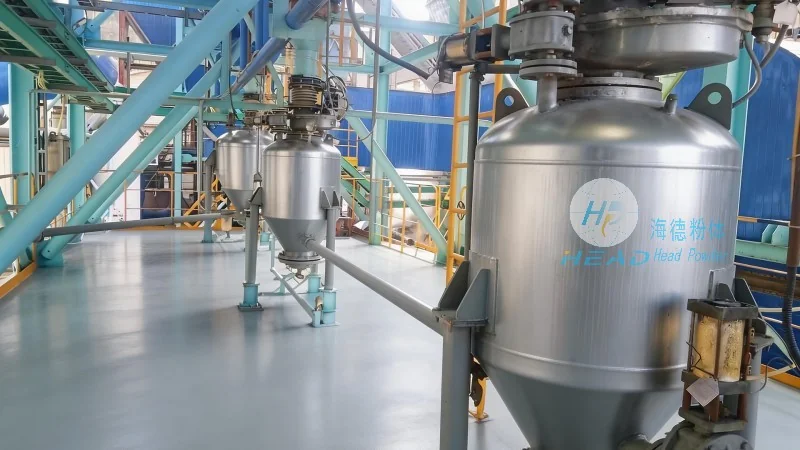
The potassium chloride powder pneumatic conveying system is a technology that uses compressed air or other gases to transport dry powder materials, such as potassium chloride, through a pipeline network. This method offers several advantages over traditional mechanical conveying systems, including reduced equipment wear, lower maintenance costs, and the ability to handle materials that are difficult to transport via conventional means. The system typically consists of a hopper for material storage, a feeder to control the flow rate, a conveying line, and a receiver for the discharged material. Compressed air is introduced at one end of the line, creating a pressure differential that propels the powder particles forward. The design ensures that the material is transported in a controlled manner, minimizing segregation and degradation of the product.
Design Principles of the Pneumatic Conveying System
The design of a potassium chloride powder pneumatic conveying system is based on several key principles to ensure optimal performance. First, the system must be tailored to the specific characteristics of the material being conveyed. Potassium chloride is a fine powder with certain flow properties, and the system must account for these to prevent blockages or uneven flow. Second, the air velocity and pressure must be carefully calculated to achieve the desired conveying rate without causing excessive wear on the equipment. The design considers factors such as particle size, density, and moisture content to determine the appropriate air volume and pressure. Third, the system incorporates features to maintain material quality and prevent contamination. This includes using clean air sources, proper filtration, and sealed components to avoid dust exposure and product degradation. Additionally, the system is designed for easy maintenance and cleaning, with access points for inspection and cleaning of the conveying line and components.
Key Components and Their Roles
Each component of the potassium chloride powder pneumatic conveying system plays a critical role in the overall operation. The hopper serves as the storage vessel, holding the bulk of the potassium chloride powder. It is designed with a sloped bottom to facilitate smooth material flow into the feeder. The feeder, often a rotary valve or a mass flow feeder, controls the rate at which the powder is introduced into the conveying line. This control is essential to maintain a consistent flow and prevent overloading the system. The conveying line is typically made of stainless steel or other corrosion-resistant materials to withstand the chemical properties of potassium chloride and the effects of compressed air. The line is equipped with bends and elbows that are designed to minimize pressure loss and maintain the air flow efficiency. The receiver is the final component, where the conveyed powder is deposited. It is usually a hopper or a storage tank, and it is designed to handle the material without causing spillage or contamination. The system also includes a filter and a blower or compressor to generate the necessary air pressure. The filter removes any dust or particles from the air, ensuring that the system operates cleanly and efficiently. The blower or compressor provides the power to move the material through the line, with the capacity matched to the conveying requirements.
Advantages and Applications
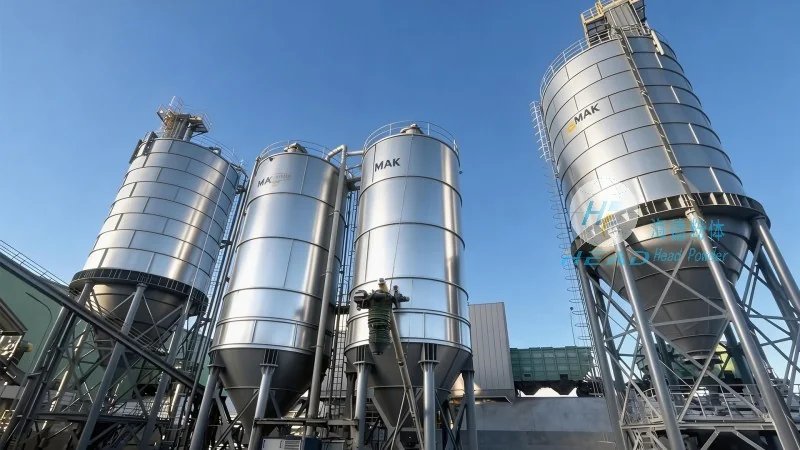
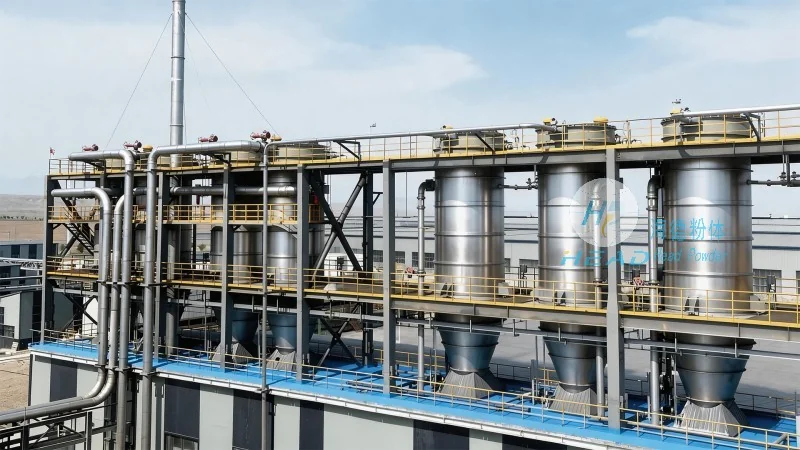
The potassium chloride powder pneumatic conveying system offers several advantages over traditional conveying methods. One of the primary benefits is the ability to transport materials over long distances without the need for multiple transfer points. This reduces the risk of material loss and contamination, as the material remains enclosed within the system. Another advantage is the reduced equipment wear and maintenance costs. Since there are no moving parts in direct contact with the material, the system experiences less wear and tear compared to mechanical systems. This leads to lower operational costs and longer equipment life. The system is also flexible and can be easily modified to accommodate changes in production volume or material characteristics. It is suitable for a wide range of applications, including the transportation of potassium chloride from storage to processing units, from processing to packaging, and from packaging to storage. The system is commonly used in fertilizer plants, chemical manufacturing facilities, and other industries where bulk powder handling is required. It is particularly useful in applications where the material is sensitive to moisture or where dust control is a priority.
Customization and Integration
HeadPowder understands that each client has unique requirements, and therefore, the potassium chloride powder pneumatic conveying system is designed to be customizable. The company works closely with clients to understand their specific needs and tailor the system accordingly. This includes selecting the appropriate components, such as the hopper size, feeder type, and conveying line length, based on the client's production capacity and material handling needs. The system can be integrated with existing equipment and processes, ensuring a seamless transition and minimal disruption to operations. HeadPowder also provides comprehensive support, including installation, commissioning, and maintenance services, to ensure that the system operates at its best. The company's team of engineers and technicians are experienced in the design and implementation of pneumatic conveying systems and can provide expert advice on system optimization and troubleshooting.