

What is a Wheat Bran Powder Pneumatic Conveying System? What are its Design Principles?
Wheat bran, a byproduct of wheat milling, is widely used in the food, feed, and pharmaceutical industries due to its nutritional value and functional properties. Efficient handling and transportation of wheat bran powder are crucial for maintaining product quality and operational efficiency. Pneumatic conveying systems have emerged as a preferred solution for moving bulk wheat bran powder from one location to another, offering advantages such as low maintenance, hygienic operation, and the ability to handle fine powders without contamination. This article explores the concept of a wheat bran powder pneumatic conveying system, detailing its design principles and the key factors that influence its performance.
Understanding Pneumatic Conveying Systems
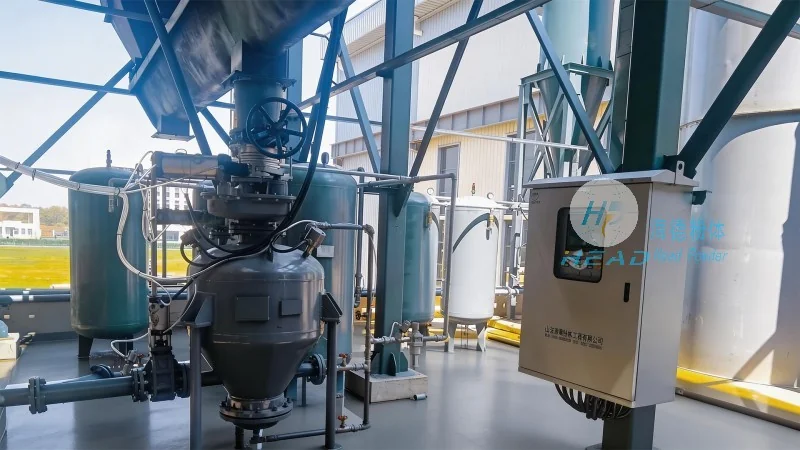
Pneumatic conveying systems utilize air or gas to transport bulk materials like wheat bran powder through a pipeline network. These systems are categorized into two main types: dilute-phase and dense-phase. Dilute-phase systems, which are commonly used for wheat bran, rely on high-velocity air to suspend the powder particles and move them through the pipeline. Dense-phase systems, on the other hand, use lower air velocities and higher material concentrations, often with the assistance of pressure vessels or positive displacement pumps, to ensure stable and controlled flow. The choice between these systems depends on factors such as the material's characteristics, the distance to be conveyed, and the required flow rate.
Key Components of a Wheat Bran Powder Pneumatic Conveying System
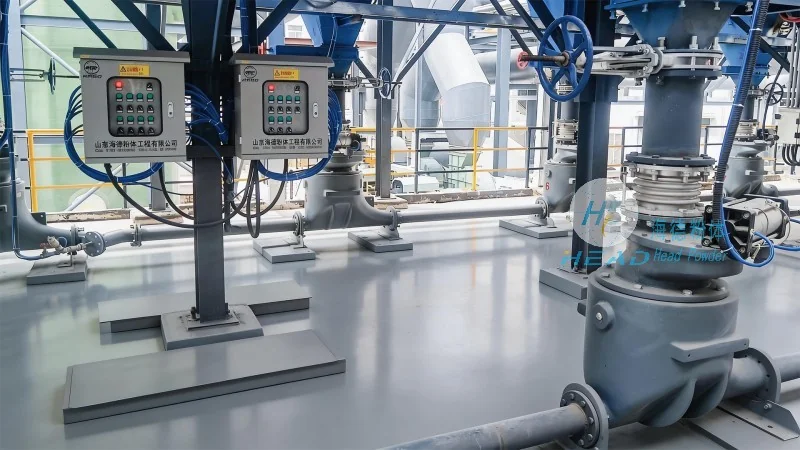
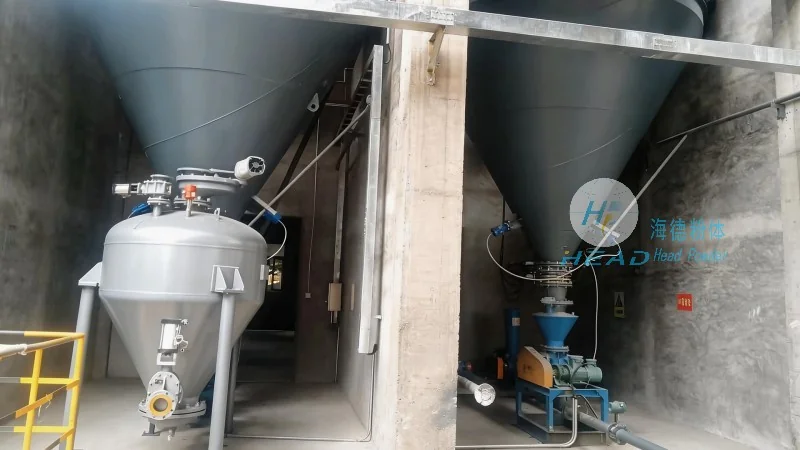
A typical wheat bran powder pneumatic conveying system consists of several critical components that work in tandem to ensure efficient material transport. The primary components include the material feed hopper, the air supply system (including a blower or compressor), the conveying pipeline, the control valves, and the discharge equipment. The feed hopper is designed to store and meter the wheat bran powder, ensuring a consistent flow rate into the system. The air supply system generates the necessary pressure and airflow to move the powder through the pipeline. The conveying pipeline, usually made of stainless steel or other corrosion-resistant materials, is designed to withstand the pressure and abrasion from the powder and air mixture. Control valves, such as rotary valves or slide gates, regulate the flow of both the powder and air, allowing for precise control over the conveying process. Finally, the discharge equipment, such as a receiver or a discharge hopper, collects the wheat bran powder at the destination point, ensuring a clean and efficient transfer.
Design Principles for Wheat Bran Powder Pneumatic Conveying
The design of a wheat bran powder pneumatic conveying system involves several key principles aimed at optimizing performance, ensuring safety, and maintaining product quality. One of the most critical principles is the selection of the appropriate conveying velocity. The velocity must be high enough to suspend the wheat bran particles but low enough to prevent excessive wear on the pipeline and equipment. This balance is achieved by calculating the minimum conveying velocity based on the material's particle size, density, and flow characteristics. Another important principle is the consideration of the system's pressure drop. The pressure drop across the pipeline and components must be minimized to reduce energy consumption and ensure the system operates efficiently. This involves selecting the right pipe diameter, using smooth and straight pipe runs, and avoiding unnecessary bends or fittings. Additionally, the system's capacity and flow rate must be matched to the production requirements. Overloading the system can lead to blockages or reduced efficiency, while underloading may result in higher energy costs. The design also takes into account the hygienic requirements of the wheat bran powder, which is often used in food and pharmaceutical applications. Materials used in the system, such as stainless steel, are chosen for their corrosion resistance and ease of cleaning. The system is also designed to prevent dust accumulation and cross-contamination, ensuring that the wheat bran remains free from contaminants throughout the conveying process.
Factors Influencing System Performance
Several factors influence the performance of a wheat bran powder pneumatic conveying system. The first is the physical properties of the wheat bran powder itself. Particle size distribution, moisture content, and bulk density all affect how the powder behaves in the system. For example, fine particles may require higher conveying velocities to prevent settling, while coarser particles may settle more quickly, leading to blockages. The moisture content is also critical, as high moisture levels can cause the powder to clump or stick to the pipeline, reducing flow efficiency. Another factor is the system's layout and the distance to be conveyed. Longer conveying distances may require additional blower stages or higher pressure to maintain the required flow rate. The elevation change between the feed and discharge points also affects the system's design, as it may require additional pressure to overcome gravity. The material's abrasiveness is another consideration, as wheat bran can be abrasive and cause wear on the pipeline and equipment over time. Proper material selection and regular maintenance are essential to mitigate this issue. Finally, the system's integration with other processes, such as storage and processing, must be considered. The conveying system should be designed to seamlessly connect with other equipment, ensuring smooth material flow and minimizing downtime.
Applications and Benefits of Wheat Bran Powder Pneumatic Conveying
Wheat bran powder pneumatic conveying systems are widely used in various industries due to their versatility and efficiency. In the food industry, these systems are used to transport wheat bran from storage silos to processing lines, ensuring a consistent supply of raw material for products such as bread, cereals, and nutritional supplements. In the feed industry, the systems are used to move wheat bran to animal feed mills, where it is blended with other ingredients to create high-quality animal feed. In the pharmaceutical industry, the systems are used to transport wheat bran powder to manufacturing facilities, where it is used as an excipient or ingredient in various drug formulations. The benefits of using pneumatic conveying systems for wheat bran powder include improved product quality, reduced labor costs, and increased operational efficiency. The systems are also hygienic and easy to clean, which is essential for food and pharmaceutical applications. Additionally, the systems are energy-efficient, as they use less energy compared to traditional conveying methods such as belt conveyors or bucket elevators. The low maintenance requirements of pneumatic conveying systems also contribute to their cost-effectiveness, as they require less downtime for repairs and maintenance.
About Shandong HeadPowder Engineering Co., Ltd.
Shandong HeadPowder Engineering Co., Ltd., commonly known as HeadPowder, is a leading manufacturer and supplier of pneumatic conveying systems and related equipment. With a strong focus on innovation and quality, HeadPowder has established itself as a trusted partner for businesses in the food, feed, and pharmaceutical industries. The company's headquarters is located in Shandong, China, where it has a state-of-the-art manufacturing facility and a team of experienced engineers and technicians. HeadPowder specializes in designing and manufacturing custom pneumatic conveying systems tailored to the specific needs of its clients. The company's products are known for their durability, efficiency, and reliability, and are used by many leading companies worldwide. HeadPowder's commitment to customer satisfaction and technical excellence has made it a preferred choice for businesses seeking high-quality pneumatic conveying solutions. The company's team of experts provides comprehensive support, from system design and installation to maintenance and troubleshooting, ensuring that clients receive the best possible service throughout the lifecycle of their equipment.
Conclusion
Wheat bran powder pneumatic conveying systems are an essential component of modern powder handling operations, offering efficient and hygienic solutions for transporting bulk materials. The design principles and components of these systems are carefully considered to ensure optimal performance, product quality, and operational efficiency. With the right design and maintenance, pneumatic conveying systems can provide long-term benefits to businesses in the food, feed, and pharmaceutical industries. As a leading manufacturer, Shandong HeadPowder Engineering Co., Ltd. offers high-quality pneumatic conveying systems that meet the needs of its clients and help them achieve their operational goals. By understanding the key factors that influence system performance and choosing the right equipment, businesses can improve their productivity and maintain the quality of their products.