

Carbon Powder Material Handling System Equipment: Understanding the Equipment and Its Design Princip
For businesses dealing with carbon powder, the efficient and reliable transport of this material is crucial. A carbon powder material handling system equipment is a specialized setup designed to manage the movement, storage, and distribution of carbon powder within industrial settings. This equipment is integral to ensuring smooth operations, maintaining product quality, and enhancing overall productivity in manufacturing processes that rely on carbon powder.
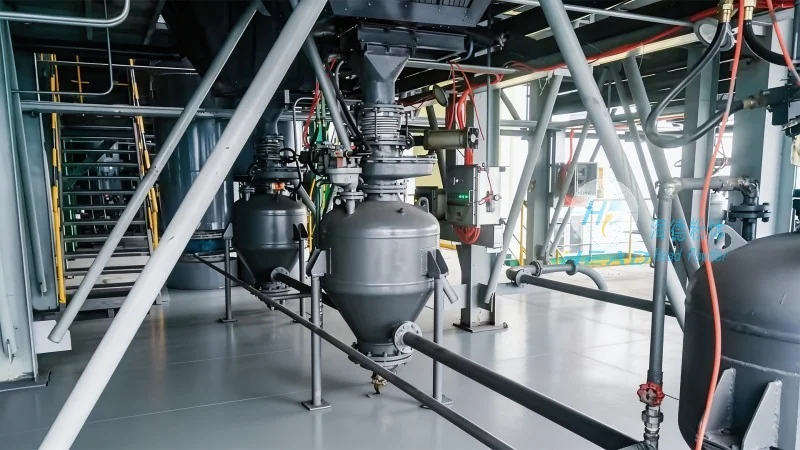
Introduction to Carbon Powder Material Handling Systems
Carbon powder, a fine particulate material often used in printing, electronics, and other industries, requires specialized handling due to its characteristics such as low bulk density, tendency to generate static electricity, and potential for dust explosions if not managed properly. The carbon powder material handling system equipment is engineered to address these challenges by providing a controlled environment for material transport. These systems typically include components like hoppers, conveyors, dust collection units, and control panels, all working in tandem to ensure safe and efficient operation.
Key Components of the System Equipment
The core components of a carbon powder material handling system equipment include several critical elements that work together to facilitate material movement. The system often starts with a hopper or feeder, which is designed to store and feed the carbon powder into the transport mechanism. This component must be constructed from materials resistant to the powder's chemical properties and capable of preventing material build-up or blockages. Conveyors, such as belt or screw conveyors, are commonly used to transport the powder from the hopper to processing or packaging areas. These conveyors are equipped with features like anti-static coatings and proper sealing to prevent dust leakage and maintain a safe working environment. Additionally, dust collection systems are integral to the equipment, as they capture and filter airborne particles to comply with safety regulations and protect the environment. Control panels and sensors are also included to monitor the system's performance, detect malfunctions, and ensure optimal operation.
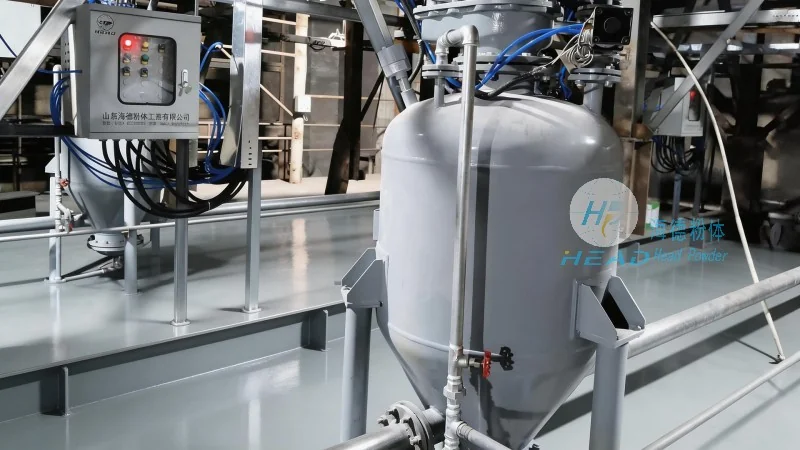
Design Principles Behind the Equipment
The design principles of carbon powder material handling system equipment are centered on safety, efficiency, and material integrity. Safety is paramount due to the hazardous nature of carbon powder, which can pose risks like dust explosions or respiratory issues. Therefore, the equipment is designed with explosion-proof features, such as spark-proof motors and proper ventilation systems. Efficiency is achieved through the integration of components that minimize material loss and maximize throughput. For instance, the use of sealed conveyors and proper sealing of hoppers reduces dust emissions and prevents material spillage. Material integrity is maintained by controlling the flow rate and preventing agglomeration or segregation of the powder particles. The design also considers the need for easy maintenance and cleaning, as carbon powder can adhere to surfaces and require regular upkeep to keep the system running smoothly.
Applications and Industries Using the System
Carbon powder material handling system equipment is widely used across various industries that rely on carbon powder as a raw material. In the printing industry, these systems are essential for transporting toner powder used in laser printers and copiers. The equipment ensures that the toner is delivered to the print heads without clogging or loss. In the electronics industry, carbon powder is used in the production of batteries and other components, and the handling system ensures that the material is processed without contamination or damage. Other applications include the chemical and pharmaceutical industries, where carbon powder is used in the formulation of products, and the handling system maintains the purity of the material. The versatility of the carbon powder material handling system equipment makes it a valuable asset for any business that works with this type of material.
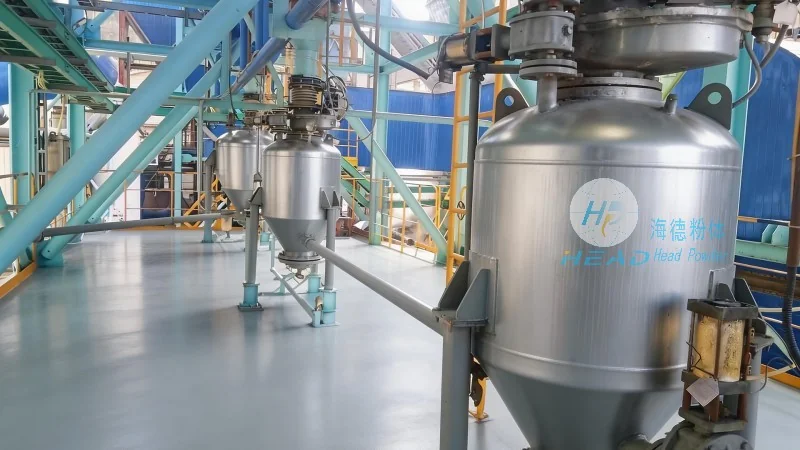
Benefits of Using the Carbon Powder Material Handling System Equipment
Implementing a carbon powder material handling system equipment offers numerous benefits to businesses. The primary advantage is improved safety, as the system reduces the risk of dust explosions and exposure to harmful particles. This not only protects workers but also complies with regulatory requirements, avoiding potential fines or shutdowns. Increased efficiency is another key benefit, as the system optimizes material flow and reduces downtime due to blockages or maintenance issues. The equipment also enhances product quality by maintaining the purity and consistency of the carbon powder, which is critical for downstream processes. Additionally, the system reduces labor costs by automating material handling tasks, allowing workers to focus on more complex operations. Overall, the carbon powder material handling system equipment is a cost-effective solution that improves operational performance and ensures long-term sustainability for businesses.
Conclusion
In conclusion, the carbon powder material handling system equipment is a vital component for industries that rely on carbon powder. Its design principles focus on safety, efficiency, and material integrity, ensuring that the material is handled in a controlled and effective manner. The equipment's components, such as hoppers, conveyors, and dust collection systems, work together to provide a reliable solution for material transport. By investing in this equipment, businesses can enhance their operational performance, improve safety standards, and maintain the quality of their products. The carbon powder material handling system equipment is a testament to the importance of specialized technology in modern industrial processes.