

What is a PP Material Handling System Equipment? And What Are Its Design Principles?
PP material handling systems are specialized equipment designed to transport and manage polypropylene (PP) materials efficiently in industrial settings. These systems are crucial for industries that rely on PP as a primary raw material, such as plastic manufacturing, packaging, and chemical processing. Understanding the components and design principles of these systems is essential for optimizing production processes and ensuring safety and efficiency.
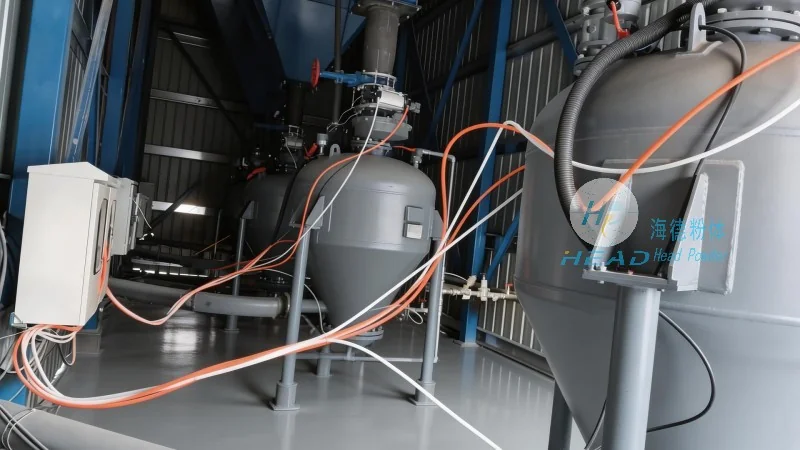
Understanding PP Material Handling Equipment
PP material handling equipment typically includes conveyors, feeders, and storage solutions tailored to the unique properties of polypropylene. Polypropylene is known for its lightweight, durability, and resistance to chemicals, making it ideal for various applications. However, its handling requires specialized equipment to prevent material degradation and ensure smooth operation. The equipment must be designed to handle the material's flow characteristics, such as its tendency to cling or form aggregates, which can impede movement in traditional systems.
Design Principles of PP Material Handling Systems
The design of PP material handling systems follows several key principles to ensure optimal performance. First, the system must accommodate the material's physical properties, including its density, particle size, and moisture content. This involves selecting appropriate conveyor types, such as screw conveyors or belt conveyors, that can handle the material's flow without causing blockages or degradation. Second, the system should incorporate features that prevent material buildup and maintain consistent flow rates. This may include the use of vibration feeders, magnetic separators, or air knives to keep the material moving smoothly. Third, the design must prioritize safety and maintenance, with easy access to components for cleaning and repair. The equipment should also be constructed from materials resistant to PP's chemical properties to ensure longevity and reliability.
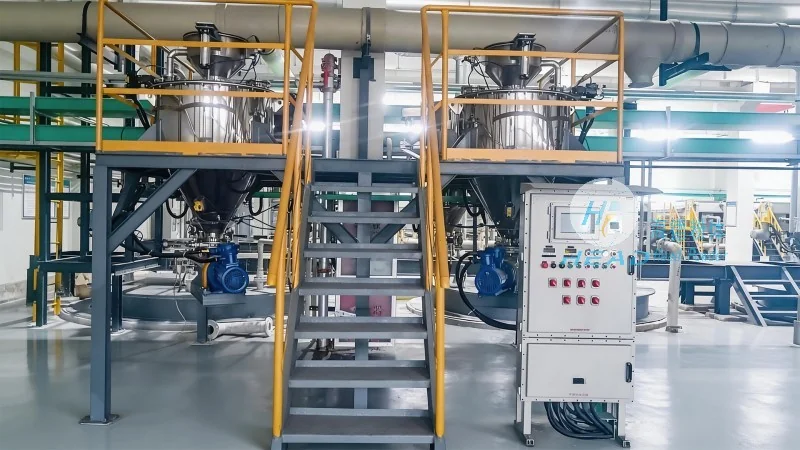
Components of a Typical PP Material Handling System
A typical PP material handling system consists of several interconnected components that work together to transport the material from one point to another. The primary components include: feeders, which introduce the material into the system; conveyors, which move the material along the desired path; and storage or processing units, which may include hoppers or silos for temporary storage. Each component is designed to handle the specific challenges of PP, such as its tendency to stick to surfaces or form clumps. For example, screw conveyors are often used for vertical or inclined transport due to their ability to handle bulk materials without the need for external power sources. Belt conveyors, on the other hand, are suitable for horizontal transport and can handle larger volumes of material.
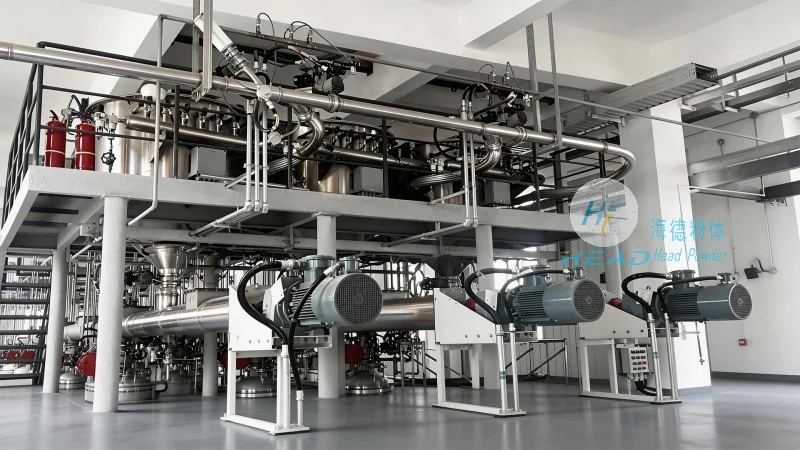
Applications and Benefits of PP Material Handling Systems
PP material handling systems are widely used in industries that process or use polypropylene as a raw material. In plastic manufacturing, these systems are essential for moving PP pellets from storage to processing machines, ensuring a continuous supply of material. In packaging, they help transport PP films or sheets to packaging lines, improving production efficiency. The benefits of using these systems include increased productivity, reduced labor costs, and improved safety by minimizing manual handling of heavy or hazardous materials. Additionally, well-designed systems can reduce material waste by preventing breakage or degradation during transport.
Customization and Integration with Existing Systems
Shandong HeadPowder Engineering Co., Ltd., a leading manufacturer of material handling equipment, offers customized PP material handling systems tailored to the specific needs of each client. The company, based in Shandong, China, understands the unique challenges of handling polypropylene and designs systems that integrate seamlessly with existing production lines. Customization options may include adjustments to conveyor speed, material feed rates, or storage capacity to meet the client's production requirements. The company also provides maintenance and support services to ensure the long-term performance of the equipment. By working with HeadPowder, industries can optimize their PP handling processes and improve overall operational efficiency.