

What is a PTFE Material Handling System? What are its Design Principles?
PTFE (Polytetrafluoroethylene) material handling systems are specialized equipment designed to transport and handle materials that are often abrasive, corrosive, or require a non-stick surface. These systems are crucial in industries such as chemical processing, pharmaceuticals, and food processing, where the materials being handled can be highly demanding. The core of these systems lies in the use of PTFE, a polymer known for its exceptional chemical resistance, low friction, and thermal stability. Understanding the components and design principles of PTFE material handling systems is essential for optimizing material transport in various industrial applications.
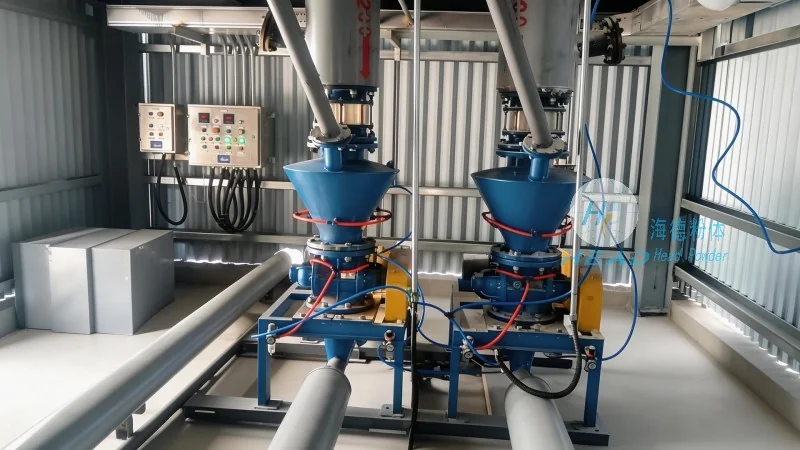
About Shandong HeadPowder Engineering Co., Ltd.
Shandong HeadPowder Engineering Co., Ltd., commonly known as HeadPowder, is a leading manufacturer and supplier of advanced material handling solutions. With a strong presence in China, the company specializes in developing and producing PTFE-based systems tailored to meet the unique needs of different industries. HeadPowder's commitment to quality and innovation has made it a trusted partner for businesses seeking reliable and efficient material handling equipment. The company's headquarters is located in Shandong, China, where it operates a state-of-the-art manufacturing facility and research center.
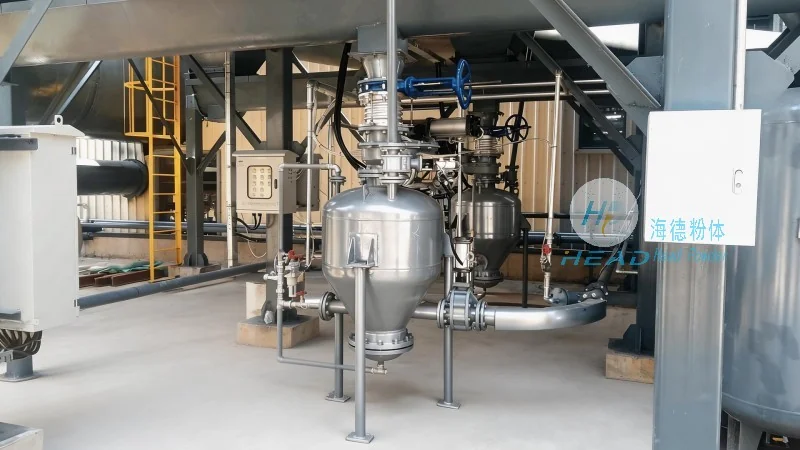
Design Principles of PTFE Material Handling Systems
The design of PTFE material handling systems is guided by several key principles that ensure optimal performance and durability. First, the selection of PTFE as the primary material is based on its inherent properties, including high chemical resistance to acids, bases, and solvents, as well as its ability to withstand extreme temperatures. This makes PTFE an ideal choice for handling aggressive materials that would otherwise damage traditional metal or plastic components. Second, the system's design emphasizes minimal friction and wear, which is achieved through the smooth, non-stick surface of PTFE. This reduces the risk of material buildup and ensures consistent flow rates. Third, the system incorporates robust construction to withstand the mechanical stresses associated with material handling, such as impact and vibration. The use of reinforced PTFE components and appropriate sealing mechanisms further enhances the system's longevity and reliability.
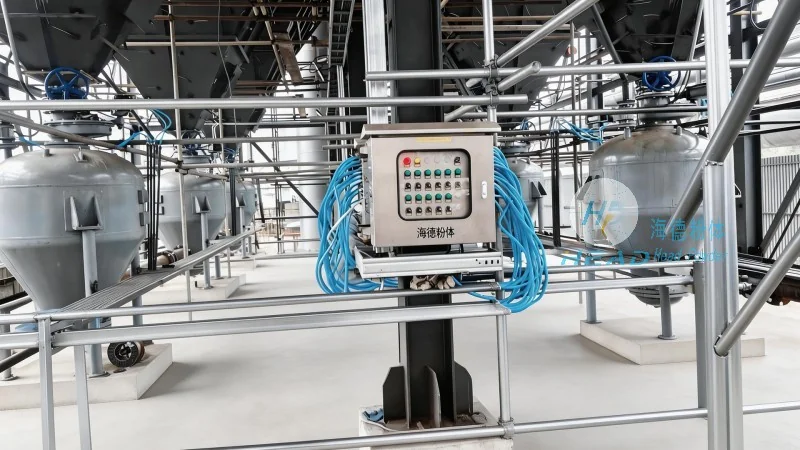
Key Components of PTFE Material Handling Systems
PTFE material handling systems typically consist of several key components that work together to facilitate efficient material transport. The primary components include conveyor belts, hoppers, chutes, and feeding mechanisms. The conveyor belts are often made from PTFE-coated fabrics or sheets, which provide a smooth surface for material movement while preventing sticking. Hoppers are used to store and feed materials into the system, and they are typically lined with PTFE to prevent material adhesion and corrosion. Chutes are designed to guide materials from one point to another, and their interior surfaces are coated with PTFE to ensure easy flow and reduce friction. Feeding mechanisms, such as screws or augers, are also commonly used and are often made from PTFE or PTFE-coated materials to handle abrasive or corrosive materials without damage.
Advantages of PTFE Material Handling Systems
PTFE material handling systems offer several advantages over traditional systems, making them a preferred choice in many industries. One of the main advantages is their excellent chemical resistance, which allows them to handle a wide range of aggressive materials without degradation. This reduces the need for frequent maintenance and replacement of components, resulting in lower operational costs. Another advantage is the low friction and non-stick properties of PTFE, which minimize material buildup and ensure consistent flow rates. This is particularly important in industries where material flow is critical, such as pharmaceuticals and food processing. Additionally, PTFE systems are highly durable and can withstand harsh operating conditions, including high temperatures and mechanical stress. The long service life of these systems makes them a cost-effective solution for businesses that require reliable material handling equipment.
Conclusion
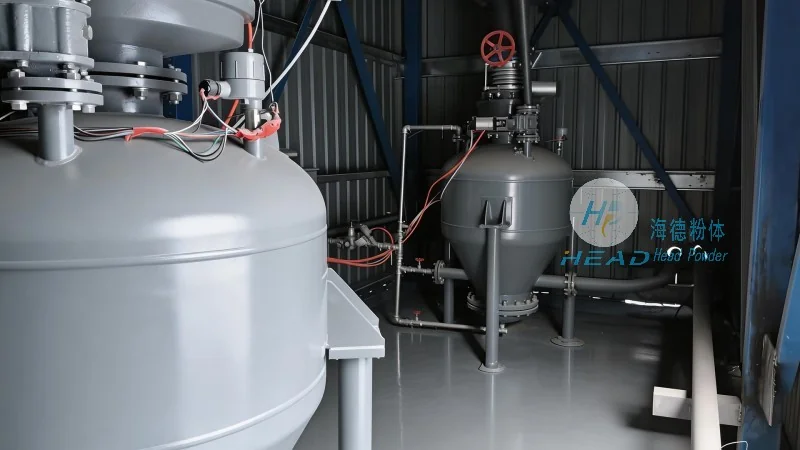
PTFE material handling systems are advanced solutions designed to meet the demanding requirements of modern industrial applications. By leveraging the unique properties of PTFE, these systems provide efficient, reliable, and cost-effective material transport. Shandong HeadPowder Engineering Co., Ltd. is a leading provider of such systems, offering customized solutions tailored to the specific needs of different industries. With its strong commitment to quality and innovation, HeadPowder continues to be a trusted partner for businesses seeking to optimize their material handling processes. Based in Shandong, China, the company leverages its expertise and state-of-the-art facilities to deliver high-performance PTFE material handling systems that meet the highest standards of performance and durability.