

What is a Heavy Calcium Powder Material Handling System? What are its Design Principles?
For industrial applications involving heavy calcium powder, an efficient and reliable material handling system is crucial. This article delves into the concept of a heavy calcium powder material handling system and outlines the key design principles that ensure optimal performance and safety.
Understanding the Heavy Calcium Powder Material Handling System
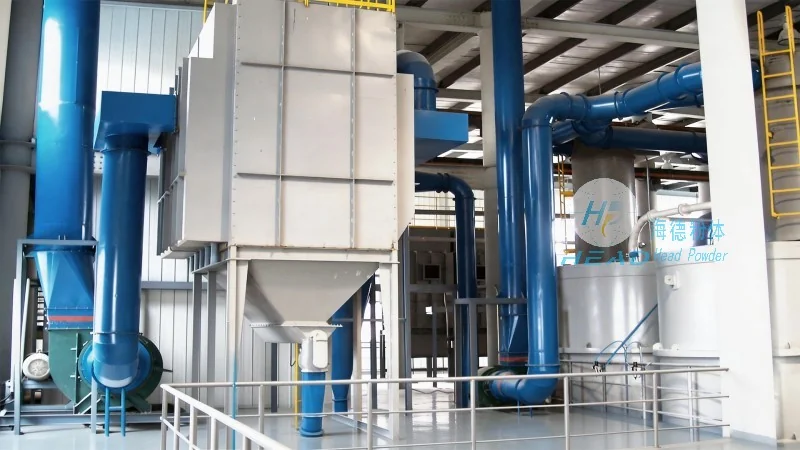
A heavy calcium powder material handling system is a specialized setup designed to transport, store, and manage heavy calcium powder—a common industrial filler used in various applications such as plastics, coatings, and paper. The system typically includes components like hoppers, conveyors, dust collectors, and control systems, all working in tandem to facilitate smooth material flow. The primary goal is to minimize material loss, prevent dust contamination, and ensure consistent product quality throughout the process.
Key Design Principles for Optimal Performance
The design of a heavy calcium powder material handling system is governed by several critical principles that address both operational efficiency and safety. These principles include:
1. Material Flow Optimization
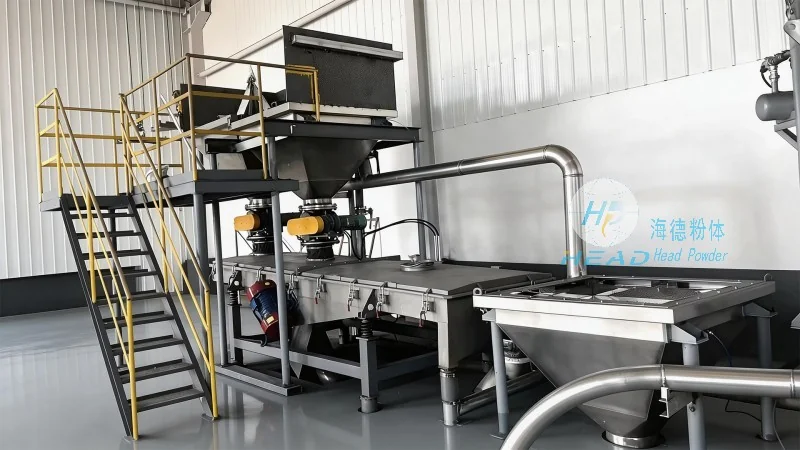
Ensuring a consistent and unobstructed flow of heavy calcium powder is paramount. This involves proper hopper design to prevent material bridging or caking, which can lead to blockages. The system may incorporate vibrators or air knives to maintain flow, especially for powders with high moisture content or cohesive properties. Additionally, the use of inclined or horizontal conveyors with appropriate speed and angle ensures that the powder moves smoothly without excessive pressure on the material.
2. Dust Control and Environmental Safety
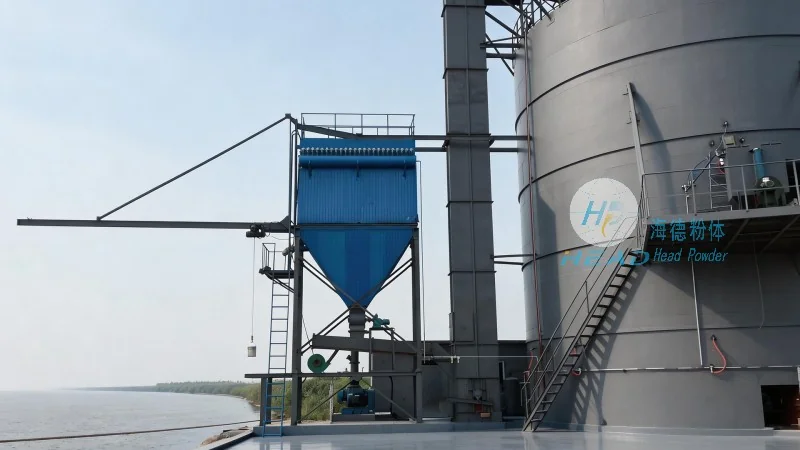
Heavy calcium powder is a fine particulate that can create significant dust hazards. The design must include robust dust collection systems, such as baghouse filters or cartridge filters, to capture airborne particles and prevent contamination of the working environment. Enclosed conveyor systems and sealed hoppers are also essential to contain dust, reducing the risk of inhalation and ensuring compliance with occupational health and safety regulations.
3. Equipment Durability and Corrosion Resistance
Heavy calcium powder can be abrasive and may contain moisture, which can lead to corrosion or wear on equipment. The system components, particularly hoppers, conveyors, and piping, are typically made from materials like stainless steel, polyethylene, or specialized alloys that resist corrosion and abrasion. This ensures long-term reliability and reduces maintenance costs over the system's lifespan.
4. Integration with Processing Equipment
The material handling system must seamlessly integrate with downstream processing equipment, such as mixers, extruders, or coating machines. This requires precise control of material flow rates and consistent particle size distribution. The design may include variable speed drives, flow meters, and sensors to monitor and adjust the system's performance in real-time, ensuring that the heavy calcium powder is delivered at the correct rate and quality for the subsequent processing steps.
Role of Shandong HeadPowder Engineering Co., Ltd.
Shandong HeadPowder Engineering Co., Ltd., a leading provider in the field, specializes in designing and manufacturing heavy calcium powder material handling systems tailored to the specific needs of industrial clients. With years of experience, the company leverages advanced engineering principles and cutting-edge technology to deliver systems that meet the highest standards of efficiency, safety, and durability. Their expertise in material flow dynamics and dust control ensures that clients receive solutions that not only enhance productivity but also comply with industry regulations and environmental standards.
Conclusion
In summary, a heavy calcium powder material handling system is a critical component in industrial operations, and its design is guided by principles that prioritize material flow, dust control, equipment durability, and integration with processing equipment. By adhering to these principles, manufacturers can ensure that their systems operate efficiently, safely, and reliably, ultimately contributing to improved product quality and operational success.