

What is a Fiber Material Handling System? What are the Design Principles?
Understanding fiber material handling systems is crucial for industries that rely on the efficient movement and processing of fibrous materials. These systems are engineered to manage a wide range of materials, from natural fibers like cotton and hemp to synthetic fibers such as polyester and nylon. The core function of such systems is to ensure that these materials are transported safely, efficiently, and with minimal damage, which is essential for maintaining product quality and operational productivity. Shandong HeadPowder Engineering Co., Ltd., a leading provider of engineering solutions, specializes in designing and manufacturing fiber material handling systems tailored to meet the diverse needs of various industries.
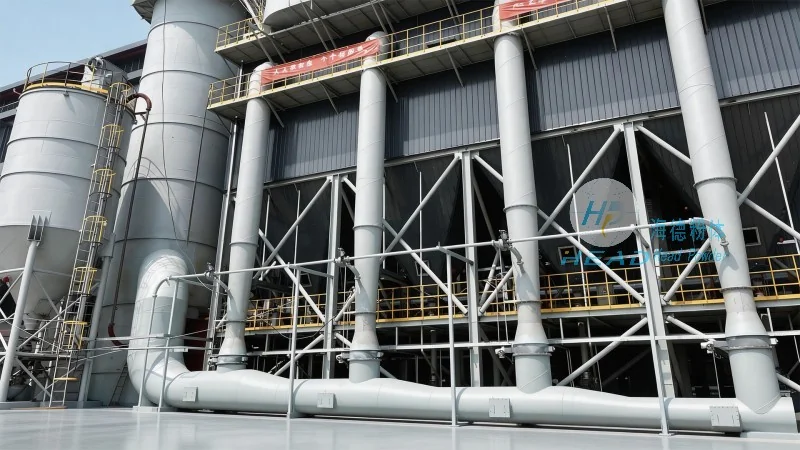
Defining Fiber Material Handling Systems
A fiber material handling system encompasses a series of equipment and processes designed to handle, transport, and process fibrous materials. This includes everything from raw material intake to final product delivery. The system typically involves components like feeders, conveyors, classifiers, and storage units, all working in tandem to streamline the material flow. The primary goal is to optimize the handling process, reducing manual labor and minimizing the risk of material degradation during transport.
Key Design Principles for Efficient Fiber Handling
The design of a fiber material handling system is guided by several critical principles that ensure optimal performance. One of the most important is the principle of minimal material damage. Fibers are often delicate and can be easily broken or entangled, which affects their quality and usability. Therefore, the system must incorporate gentle handling mechanisms, such as low-speed conveyors and soft feeding devices, to preserve the integrity of the fibers. Another key principle is the need for consistent material flow. This involves designing the system to handle varying material types and densities without interruption. This is achieved through adjustable feed mechanisms and variable-speed conveyors that can adapt to different processing requirements.
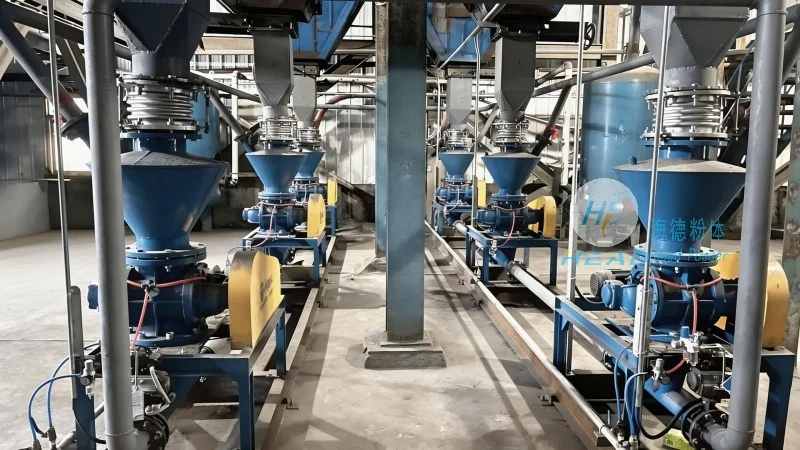
Components and Their Roles in the System
The effectiveness of a fiber material handling system depends heavily on its components. The feeders are responsible for delivering the raw material to the system, often using gravity or mechanical means. Conveyors then transport the material through the system, with options including belt conveyors, screw conveyors, and pneumatic systems, depending on the material properties and handling requirements. Classifiers play a crucial role in sorting fibers by size, length, or density, ensuring that only the desired material proceeds to the next stage. Storage units are also integral, providing a buffer to maintain a steady supply of material and prevent bottlenecks in the processing line.
Applications and Industries Benefiting from Fiber Handling Systems
Fiber material handling systems are widely used across various industries, including textiles, paper manufacturing, and agricultural processing. In the textile industry, these systems are essential for processing raw fibers into yarns and fabrics, where consistent material quality is paramount. In paper manufacturing, they help in handling pulp and other fibrous materials, ensuring uniform paper production. Agricultural industries also benefit from such systems for processing crops like hemp and flax, streamlining the harvesting and processing stages.
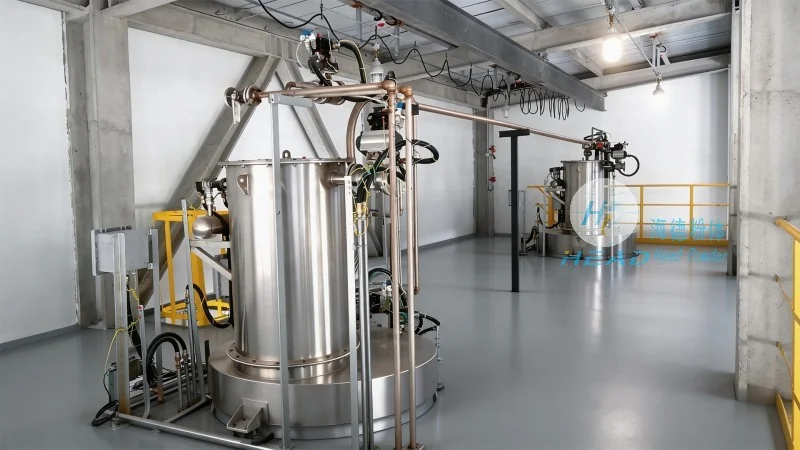
Advantages of Implementing a Fiber Material Handling System
Adopting a fiber material handling system offers numerous advantages for businesses. Firstly, it significantly improves operational efficiency by automating the material handling process, reducing the need for manual labor and minimizing downtime. Secondly, it enhances product quality by minimizing material damage and ensuring consistent processing. Thirdly, it reduces operational costs through energy-efficient designs and lower maintenance requirements. Additionally, these systems provide better safety for workers by eliminating the need for manual handling of heavy or hazardous materials.
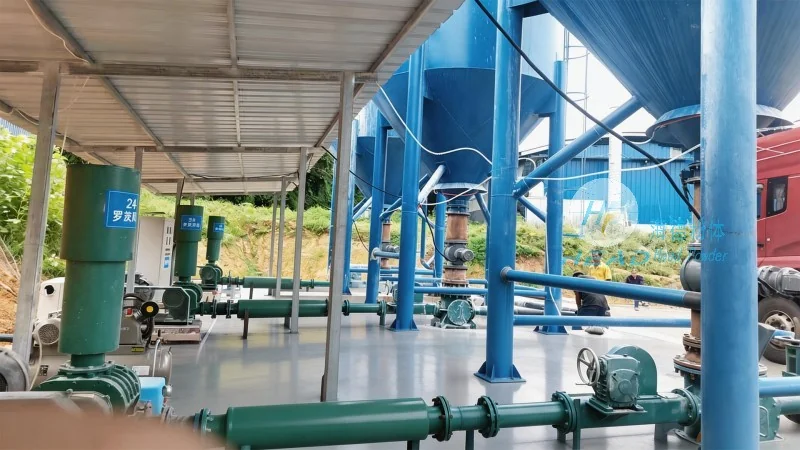
Customization and Scalability: Tailoring Systems to Specific Needs
One of the key strengths of fiber material handling systems is their ability to be customized and scaled to meet the specific needs of different applications. Companies can adjust the system's components, such as conveyor speed, feeder capacity, and classifier settings, to handle different fiber types and processing volumes. This flexibility allows businesses to adapt to changing market demands and production requirements without significant capital investment. Scalability is also important, as systems can be expanded or modified as the business grows, ensuring long-term operational efficiency.
Conclusion: The Importance of Well-Designed Fiber Handling Systems
In conclusion, fiber material handling systems are vital for industries dealing with fibrous materials, offering efficient, safe, and cost-effective solutions for material transport and processing. By adhering to key design principles and utilizing appropriate components, these systems can significantly enhance operational performance and product quality. For businesses looking to optimize their fiber handling processes, investing in a well-designed system is a strategic move that can lead to long-term success and competitive advantage.