

What is a Dilute Phase Powder Conveying System? And What Are Its Design Principles?
HeadPowder, a leading provider of powder handling solutions, specializes in the design and implementation of dilute phase powder conveying systems. These systems are engineered to efficiently transport bulk powders over long distances with minimal energy consumption and operational complexity. This article explores the fundamental concepts of dilute phase conveying, its core design principles, and the practical applications of such systems.
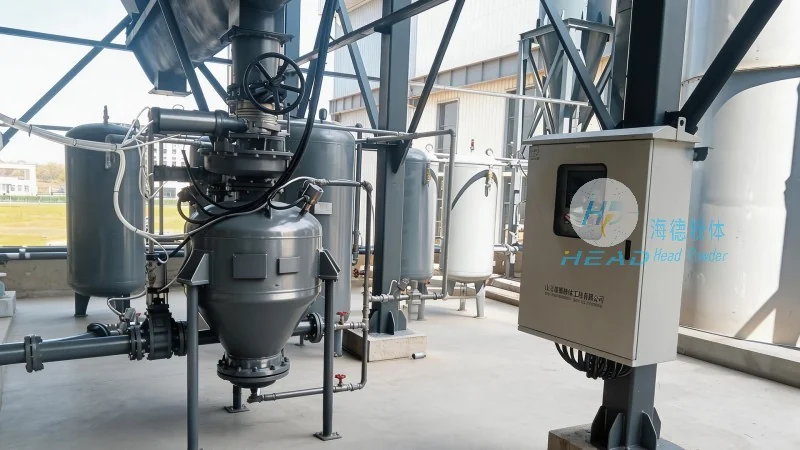
Introduction to Dilute Phase Powder Conveying Systems
A dilute phase powder conveying system is a type of pneumatic conveying technology that transports particulate materials by suspending them in a stream of air or gas. Unlike dense phase systems, which rely on a higher proportion of material to air, dilute phase systems maintain a low solid-to-gas ratio, typically ranging from 0.1 to 0.5 kg of material per kg of air. This low ratio allows for high-speed, continuous flow through pipelines, making it suitable for long-distance and high-capacity applications. HeadPowder, based in Shandong, China, leverages advanced engineering to develop customized dilute phase systems tailored to diverse industrial needs.
Understanding Dilute Phase Conveying
The primary goal of dilute phase conveying is to maintain the material in a suspended state throughout the entire pipeline. This is achieved by ensuring the air velocity within the pipe is sufficient to keep the particles airborne, preventing settling or blockages. The system operates under positive pressure, where a blower or fan generates the necessary airflow to move the material. Key factors influencing the performance include the particle size, density, and shape of the material, as well as the required conveying distance and throughput. HeadPowder's expertise lies in optimizing these parameters to ensure reliable and efficient material transport.
Key Design Principles of Dilute Phase Systems
The design of a dilute phase powder conveying system involves several critical principles to ensure optimal performance and longevity. First, the selection of the appropriate air velocity is paramount. The velocity must be high enough to keep particles suspended but not excessively high to cause excessive wear on the system components. Typically, velocities range from 20 to 30 meters per second for most powders. Second, the system's pressure drop must be carefully calculated to balance energy efficiency with material handling capability. HeadPowder engineers use advanced computational fluid dynamics (CFD) and empirical data to determine the optimal pressure drop for a given application. Third, the choice of pipeline diameter is crucial. Larger diameters reduce pressure drop and wear but increase system cost and space requirements. Smaller diameters are more cost-effective but may require higher velocities and increased energy consumption. HeadPowder's design process integrates these factors to deliver systems that meet both performance and budgetary constraints.
Components and Operation of Dilute Phase Conveying Lines
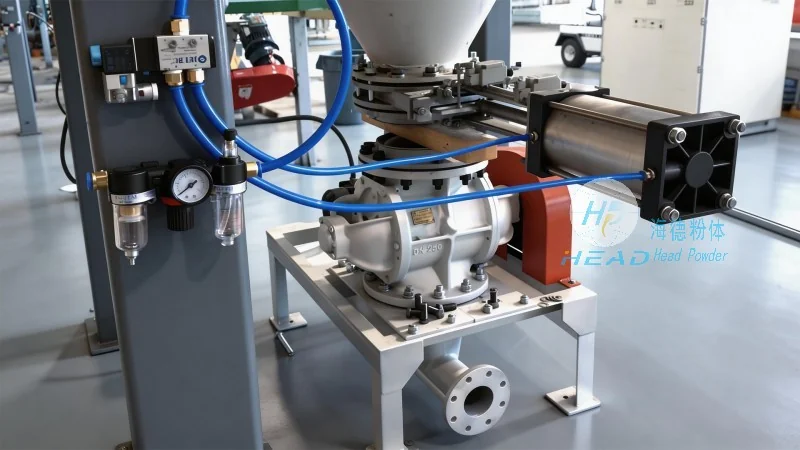
A typical dilute phase powder conveying line consists of several key components, each playing a vital role in the overall operation. The system begins with a feeder, which uniformly introduces the powder into the air stream. Common feeder types include rotary valves, star feeders, and pressure vessels, all designed to prevent material bridging and ensure consistent flow. Next, the material is mixed with the air in a venturi or a static mixer, creating a homogeneous suspension. The resulting mixture then travels through the pipeline, propelled by a positive displacement blower or a centrifugal fan. The pipeline itself is usually made of stainless steel or other corrosion-resistant materials to withstand the abrasive nature of the powder. At the receiving end, a separator or cyclone separates the material from the air, allowing the powder to be collected in a hopper or storage bin. The air, now free of particles, is either filtered and recirculated or discharged to the atmosphere. HeadPowder's systems are engineered to minimize downtime and maintenance by incorporating robust components and advanced control systems.
Advantages of Using Dilute Phase Technology
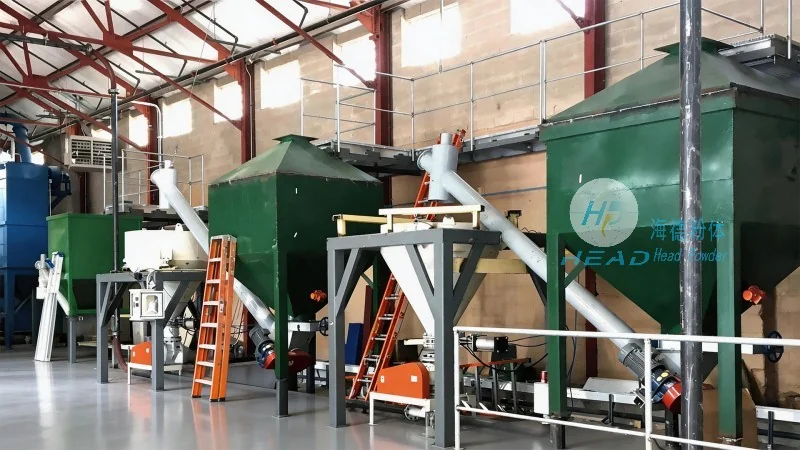
Dilute phase powder conveying offers numerous advantages over traditional bulk material handling methods. One of the most significant benefits is its ability to transport materials over long distances with minimal energy consumption. The low solid-to-gas ratio reduces the overall pressure drop, resulting in lower power requirements compared to dense phase systems. This translates to cost savings in operational expenses. Additionally, dilute phase systems are highly flexible, capable of handling a wide range of particle sizes and shapes without the need for extensive modifications. The continuous, high-speed operation also reduces the risk of material degradation, which is critical for sensitive products such as pharmaceuticals or food powders. HeadPowder's dilute phase systems are designed to maximize these advantages, providing reliable and efficient material transport solutions for various industries.
Applications and Industries Served by HeadPowder Systems
HeadPowder's dilute phase powder conveying systems are widely used across multiple industries due to their versatility and efficiency. In the chemical industry, these systems are employed to transport raw materials and finished products, such as powders for fertilizers, pigments, and specialty chemicals. The food and beverage sector utilizes dilute phase conveying for handling ingredients like flour, sugar, and spices, ensuring hygienic and contamination-free transport. The pharmaceutical industry relies on these systems to move active pharmaceutical ingredients (APIs) and excipients, maintaining strict quality control standards. In the construction industry, dilute phase systems are used to transport cement, sand, and other building materials, facilitating efficient material movement on construction sites. HeadPowder has successfully implemented dilute phase systems in these and other sectors, demonstrating the technology's adaptability to diverse operational requirements.
Customization and Integration for Specific Needs
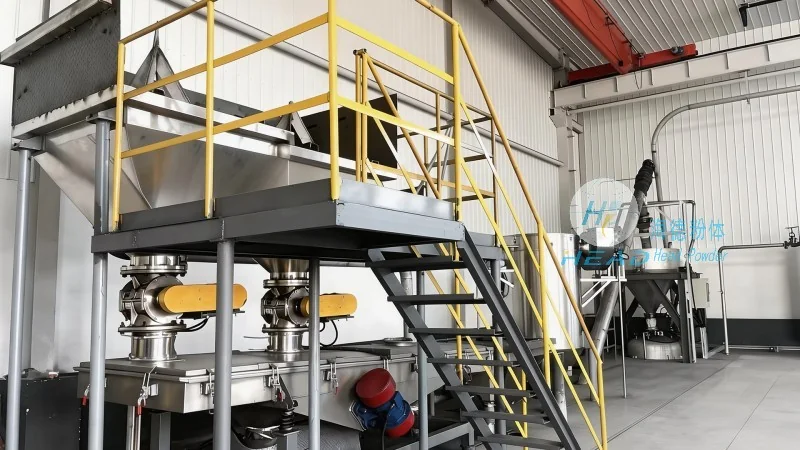
HeadPowder understands that each industrial application has unique requirements, and therefore, offers customized dilute phase systems to meet specific needs. The company works closely with clients to assess their material characteristics, conveying distance, and throughput demands, then designs a system that optimizes performance and cost. Customization may include adjustments to the feeder type, pipeline diameter, or air velocity to accommodate different particle sizes or flow rates. HeadPowder also provides integration services, ensuring that the new conveying system works seamlessly with existing equipment and processes. This includes coordinating with the client's facility layout, electrical systems, and control protocols. The company's team of experienced engineers and technicians ensures that the final system is installed and commissioned correctly, minimizing disruption to the client's operations. By focusing on customization and integration, HeadPowder delivers solutions that not only meet but exceed the expectations of its clients.
Conclusion and Contact Information
Dilute phase powder conveying systems represent a sophisticated and efficient solution for bulk material transport, offering significant advantages in terms of energy efficiency, flexibility, and reliability. HeadPowder, with its expertise in engineering and manufacturing, provides high-quality dilute phase systems tailored to the specific needs of various industries. Based in Shandong, China, HeadPowder has established itself as a trusted partner for companies seeking reliable powder handling solutions. For inquiries or to learn more about how a dilute phase system can enhance your material transport operations, please contact HeadPowder at their address in Shandong, China.