

What is a Positive Pressure Pneumatic Conveying System? What are its Design Principles?
Positive pressure pneumatic conveying systems are advanced industrial solutions designed to transport bulk materials efficiently and safely over long distances. These systems operate by generating positive pressure within a closed pipeline network, ensuring that material is propelled from the source to the destination through the force of compressed air or other gases. The technology is widely used in various industries, including pharmaceuticals, food processing, chemicals, and manufacturing, where the need for clean, dust-free, and hygienic material handling is critical.
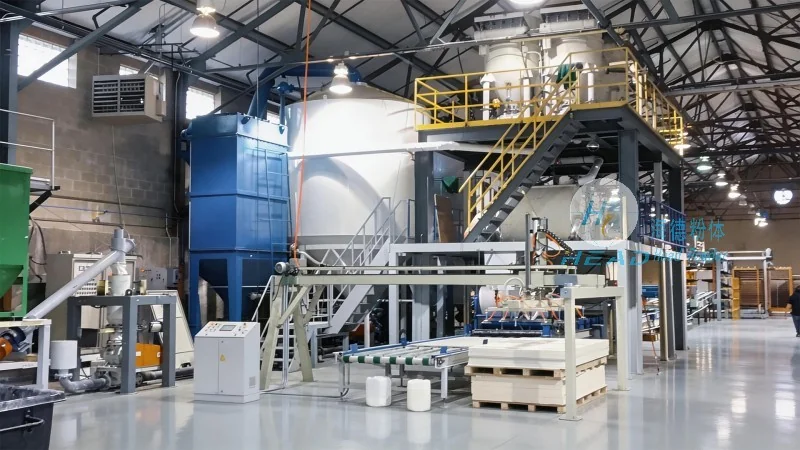
Understanding the Core Components of a Positive Pressure Pneumatic Conveying System
A positive pressure system typically consists of several key components that work in concert to achieve effective material transport. The primary elements include a material feed hopper, a positive displacement blower or compressor, a pipeline network, and a discharge or collection unit. The feed hopper is responsible for holding the bulk material and controlling the flow rate, while the blower provides the necessary pressure to move the material through the system. The pipeline network connects the feed and discharge points, and the discharge unit collects the material at the end of the conveying process.
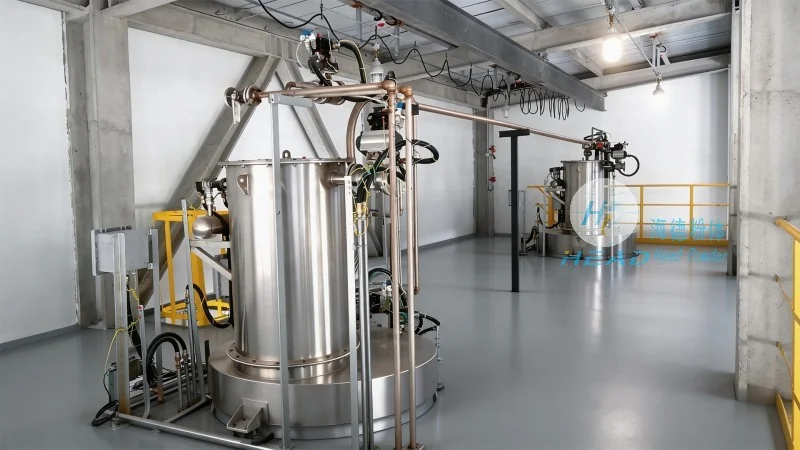
Design Principles Behind Positive Pressure Pneumatic Conveying
The design of a positive pressure system is guided by several fundamental principles aimed at optimizing performance, efficiency, and safety. One of the key principles is maintaining consistent pressure throughout the pipeline to ensure smooth material flow. This is achieved by selecting appropriate blower capacity and pressure ratings that match the system's requirements. Another critical principle is the proper sizing of the pipeline and components to prevent pressure drops and material blockages. Engineers must consider factors such as material properties, particle size, and moisture content to determine the optimal system configuration. Additionally, the system's design incorporates features like air filtration and material separation to maintain product purity and prevent contamination.
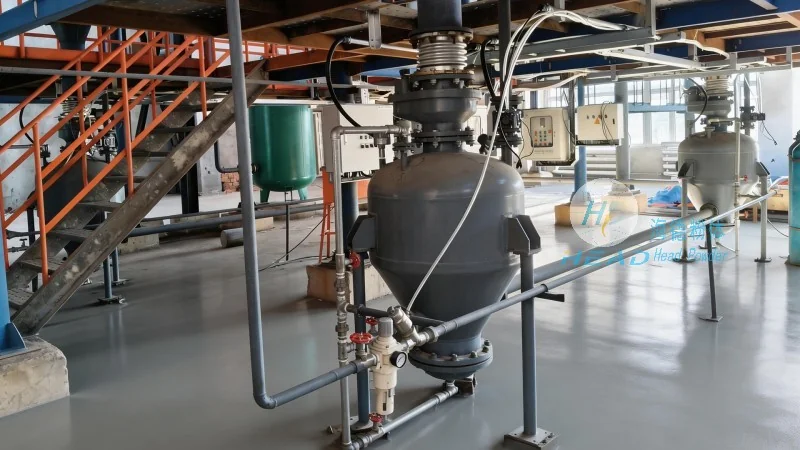
Key Advantages of Positive Pressure Pneumatic Conveying Systems
Positive pressure systems offer numerous advantages over traditional conveying methods. One of the most significant benefits is their ability to handle a wide range of materials, including powders, granules, and fine particles, without the need for mechanical components like belts or screws. This reduces maintenance costs and eliminates the risk of material contamination from moving parts. Another advantage is the system's flexibility in terms of layout and distance, as it can be easily adapted to different plant configurations and extended to cover longer distances. The positive pressure operation also ensures that material is conveyed in a closed system, minimizing dust emissions and improving workplace safety. Furthermore, these systems are highly efficient in terms of energy consumption, as they can transport large volumes of material with relatively low power input.
Applications and Industries Utilizing Positive Pressure Conveying
Positive pressure pneumatic conveying systems are employed in a variety of industries where material handling demands precision and cleanliness. In the pharmaceutical industry, for example, these systems are used to transport active pharmaceutical ingredients (APIs) and other sensitive materials in a sterile environment, ensuring product quality and compliance with regulatory standards. The food processing industry also relies on positive pressure systems to handle ingredients like flour, sugar, and spices, maintaining hygiene and preventing cross-contamination. In the chemical industry, the systems are used to transport powders and granules, such as fertilizers and pigments, while minimizing dust and ensuring safe handling. Additionally, manufacturing and industrial plants use these systems for transporting raw materials and finished products, improving production efficiency and reducing downtime.
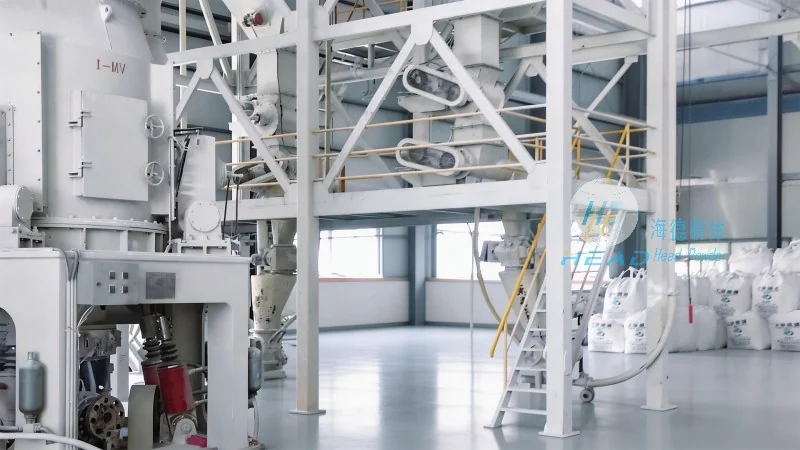
Customization and Integration with Existing Facilities
Shandong HeadPowder Engineering Co., Ltd., a leading provider of material handling solutions, specializes in designing and manufacturing customized positive pressure pneumatic conveying systems tailored to meet the specific needs of clients. The company's expertise lies in understanding the unique requirements of each application and developing solutions that optimize performance and reliability. HeadPowder engineers work closely with clients to assess their material handling challenges and design systems that integrate seamlessly with existing facilities. The company's commitment to quality and innovation ensures that each system is built to withstand the demands of industrial environments and provide long-term value. By leveraging advanced engineering and manufacturing capabilities, HeadPowder delivers solutions that enhance operational efficiency and reduce costs for its clients.