

What is a Metal Particle Material Handling System? And What Are Its Design Principles?
Understanding the metal particle material handling system is crucial for industries that rely on efficient and reliable transport of metallic powders and granules. This system, developed by Shandong HeadPowder Engineering Co., Ltd., based in Shandong, China, is engineered to meet the specific demands of processing and transporting metal particles with precision and efficiency.
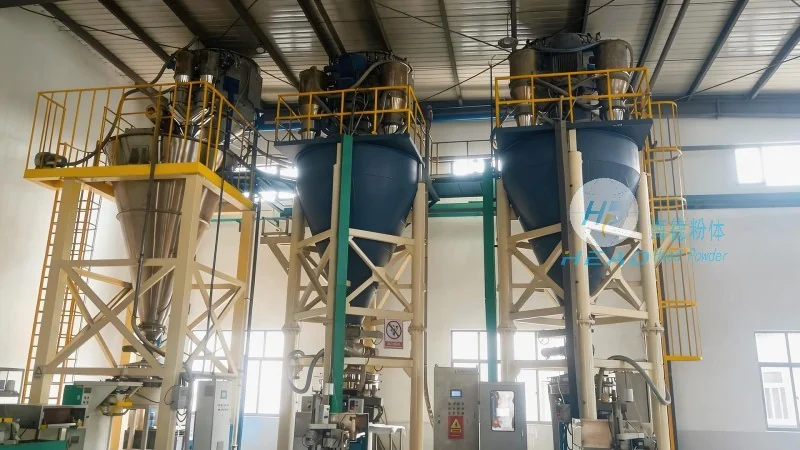
Overview of Metal Particle Material Handling Systems
A metal particle material handling system is a specialized equipment setup designed to transport, store, and manage metal powders or granules from one location to another within industrial processes. These systems are essential in sectors such as metallurgy, chemical manufacturing, and pharmaceuticals, where the handling of metal particles requires strict control over flow, contamination, and material integrity. The system typically integrates components like hoppers, conveyors, and control mechanisms to ensure smooth operation and minimal downtime.
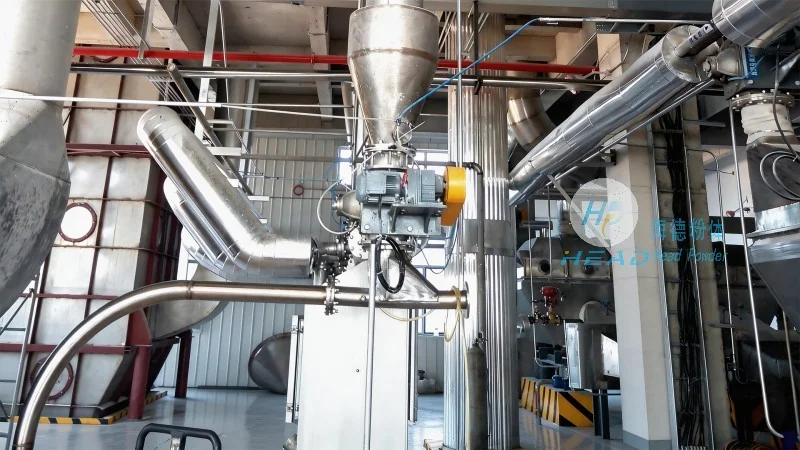
Key Components and Their Functions
The design of a metal particle material handling system involves several critical components, each playing a vital role in the overall functionality. The primary components include:
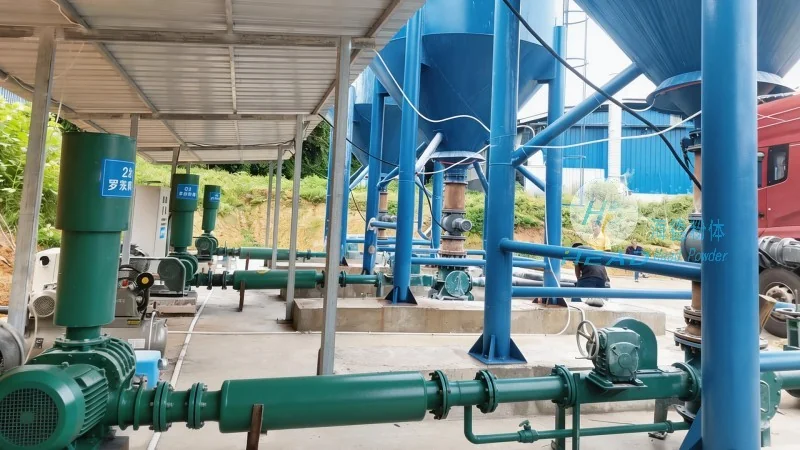
- Hoppers: These are containers used to store the metal particles before they are transported. Hoppers are designed with specific geometries to facilitate uniform flow and prevent clogging, which is crucial for maintaining consistent material feed rates.
- Conveyors: Conveyors are the core transport mechanisms in the system. They can be of various types, including screw conveyors, belt conveyors, or pneumatic conveyors, depending on the properties of the metal particles and the application requirements. Screw conveyors are commonly used for dry, free-flowing metal powders due to their ability to handle abrasive materials without significant wear.
- Control Systems: Advanced control systems are integrated to monitor and regulate the flow of metal particles. These systems may include sensors for level detection, pressure monitoring, and flow rate control, ensuring that the material is transported at optimal speeds and volumes. The control mechanisms help in preventing overfilling, underfilling, or blockages, thereby enhancing operational safety and efficiency.
- Feeding and Dosing Equipment: This equipment is used to accurately feed the metal particles into the conveyor system. Dosing mechanisms, such as rotary valves or gravimetric feeders, ensure precise measurement and consistent discharge of the material, which is essential for processes that require exact material quantities.
Design Principles for Efficient Material Handling
The design principles of a metal particle material handling system are centered around ensuring efficiency, reliability, and safety. Key design considerations include:
- Material Compatibility: The system components are selected to be compatible with the specific metal particles being handled. This includes choosing materials for hoppers and conveyors that can withstand the abrasive nature of metal powders and prevent contamination from the equipment itself.
- Flow Optimization: The system is designed to optimize the flow of metal particles to minimize segregation, bridging, or caking. Proper hopper design, incline angles, and conveyor speeds are crucial in achieving smooth material flow. For example, the use of vibrators or agitators in hoppers can help break up clumps and ensure uniform material distribution.
- Energy Efficiency: Modern metal particle material handling systems are designed with energy efficiency in mind. This includes using low-friction components, optimizing conveyor speeds based on load, and implementing energy-saving control strategies. Such designs reduce operational costs and environmental impact.
- Safety and Maintenance: Safety is a top priority in the design of these systems. Features like emergency stop buttons, overload protection, and dust suppression systems are integrated to protect operators and prevent accidents. Additionally, the system is designed for easy maintenance, with accessible components and clear maintenance schedules to minimize downtime.
Applications and Industry Impact
Metal particle material handling systems are widely used in various industrial applications. In metallurgy, they are used for transporting metal powders used in powder metallurgy processes, such as sintering and pressing. In chemical manufacturing, they handle metal powders for catalyst production and other chemical reactions. The pharmaceutical industry also utilizes these systems for handling metal-based active ingredients or excipients, where purity and consistency are paramount.
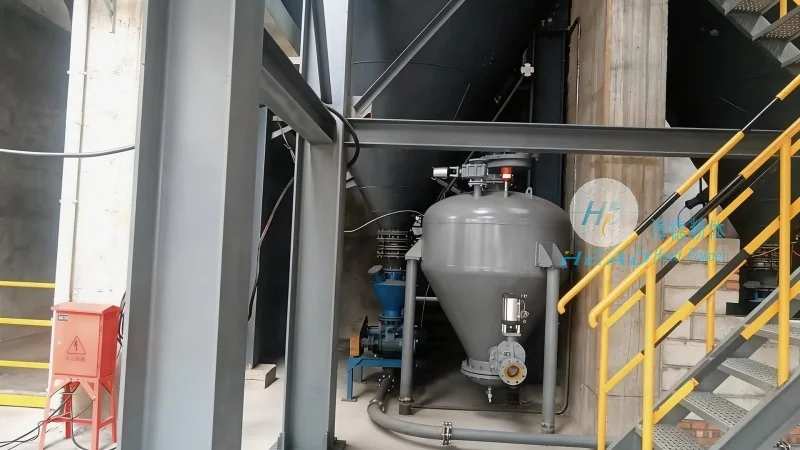
By ensuring efficient and reliable transport of metal particles, these systems contribute significantly to the productivity and quality of industrial processes. They help in reducing material waste, improving process consistency, and enhancing overall operational efficiency. The expertise of Shandong HeadPowder Engineering Co., Ltd. in designing and manufacturing such systems has enabled many industries to achieve higher standards of performance and reliability.