

What is a Cement Granular Material Conveying System? And What Are Its Design Principles?
Cement granular material conveying systems are critical components in industrial operations, particularly in the construction and manufacturing sectors. These systems are engineered to efficiently transport bulk cement and other granular materials from one location to another, ensuring smooth and reliable material flow. The design principles behind such systems are intricate, balancing factors like material properties, operational efficiency, and safety to meet the demands of modern industrial processes.
About HeadPowder: Your Trusted Partner in Material Handling Solutions
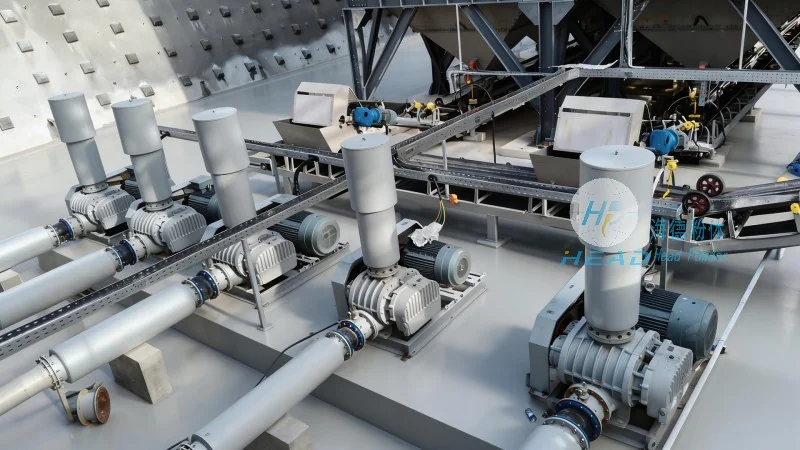
HeadPowder, a leading provider of material handling equipment, specializes in the design, manufacturing, and installation of cement granular material conveying systems. With a strong presence in the industry, HeadPowder has established itself as a reliable partner for businesses seeking efficient and durable solutions for their material transport needs. The company is headquartered in Shandong, China, where it leverages advanced technology and years of expertise to deliver high-quality products tailored to client requirements.
The Core Design Principles of Cement Granular Material Conveying Systems
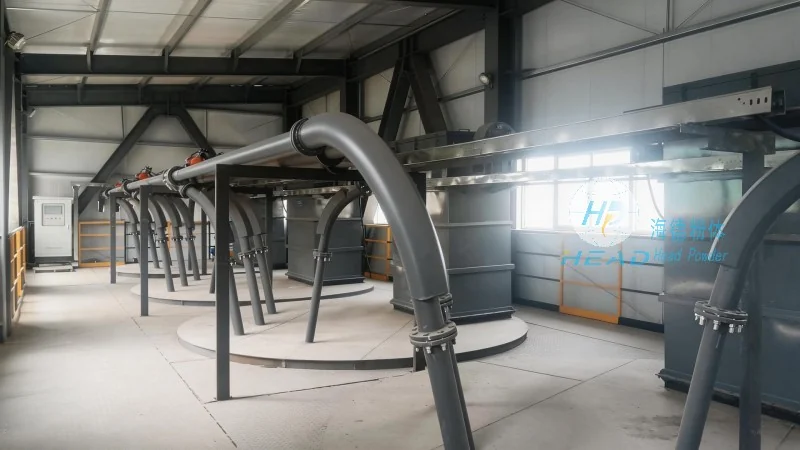
The design of a cement granular material conveying system involves several key principles that ensure optimal performance. First, the system must account for the physical properties of cement, such as its particle size, density, and flow characteristics. These properties influence the choice of conveyor type, like belt conveyors, screw conveyors, or pneumatic conveyors, each suited to different operational needs. Second, the system must prioritize efficiency and reliability. This includes selecting appropriate drive mechanisms, ensuring proper sealing to prevent material spillage, and incorporating safety features to protect operators and equipment. Third, the design must consider the overall layout and integration with existing industrial infrastructure. This involves optimizing the system's dimensions, ensuring compatibility with other equipment, and planning for easy maintenance and repair.
Key Components and Their Functions in Cement Conveying Systems
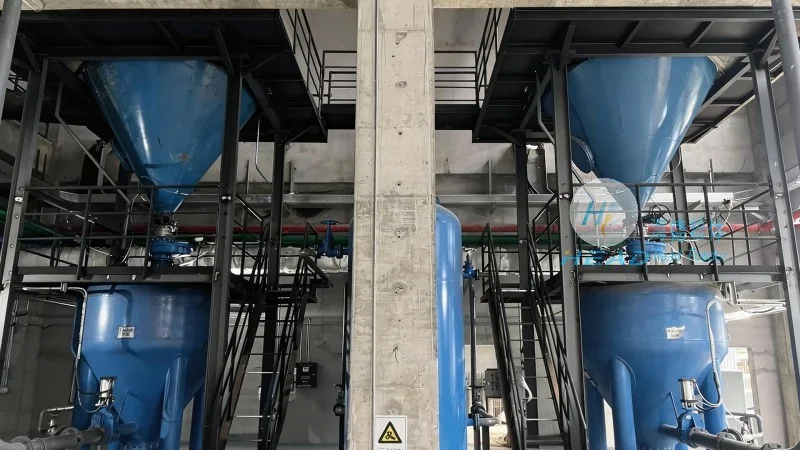
A typical cement granular material conveying system consists of several interconnected components, each playing a vital role in the overall operation. The primary components include the feeding mechanism, which introduces the material into the system; the conveyor itself, which transports the material; the discharge mechanism, which releases the material at the destination; and the control system, which manages the operation. The feeding mechanism, often a hopper or a feeder, ensures a consistent and controlled flow of cement into the conveyor. The conveyor, whether a belt conveyor with a drive system or a screw conveyor, moves the material along the designated path. The discharge mechanism, such as a chute or a valve, regulates the release of the material to the next stage of processing. The control system, equipped with sensors and automation, monitors the system's performance, adjusts parameters as needed, and ensures safe and efficient operation.
Advantages of Using Cement Granular Material Conveying Systems
Implementing a cement granular material conveying system offers numerous advantages for industrial operations. Firstly, it enhances operational efficiency by reducing manual labor and minimizing material handling time. This leads to increased productivity and lower labor costs. Secondly, the system improves safety by automating the material transport process, reducing the risk of accidents and exposure to hazardous materials. Thirdly, it ensures consistent material quality by maintaining a uniform flow and preventing contamination. Additionally, the system is designed for durability and low maintenance, reducing downtime and operational costs over the long term. These benefits make cement granular material conveying systems an essential investment for businesses aiming to optimize their material handling processes.
Applications and Industries That Benefit from These Systems
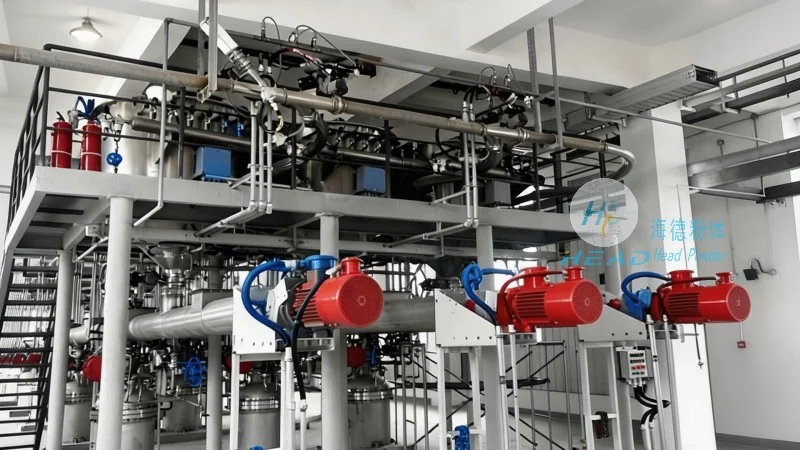
Cement granular material conveying systems are widely used across various industries, primarily in the construction and cement manufacturing sectors. In construction sites, these systems are used to transport bulk cement to job sites, ensuring a steady supply for concrete mixing and other applications. In cement plants, the systems facilitate the movement of raw materials and finished products, such as clinker and cement bags, within the facility. Other industries that benefit include mining, where granular materials like ore are transported, and chemical processing, where various powders and granules are handled. The versatility of cement granular material conveying systems makes them suitable for a wide range of applications, catering to the diverse needs of different industrial sectors.