

What is a Light Calcium Material Handling System? And What Are Its Design Principles?
Light calcium material handling systems are specialized equipment and processes designed to transport and manage light calcium compounds, which are widely used in various industrial applications. These systems are crucial for ensuring efficient and safe material handling, especially given the unique properties of light calcium materials such as their low density and fine particle size. Understanding the design principles behind these systems is essential for optimizing performance and meeting industry standards.
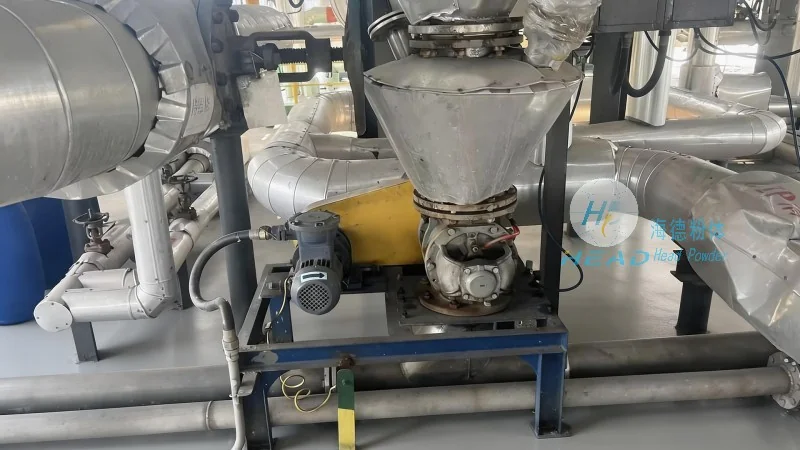
Overview of Light Calcium Material Handling Systems
Light calcium, also known as calcium carbonate, is a common industrial material with applications in plastics, paper, and food products. Its light weight and fine texture make it challenging to handle compared to heavier or bulkier materials. A light calcium material handling system typically includes components like hoppers, conveyors, dust collection systems, and storage silos. The primary goal is to move this material from storage to processing equipment while minimizing dust generation and ensuring consistent flow.
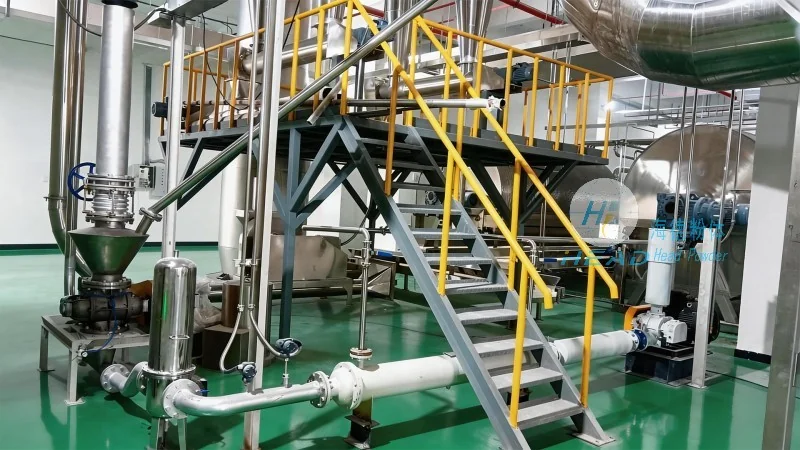
Key Design Principles for Efficient Material Handling
The design of a light calcium material handling system must address several critical factors to ensure optimal performance. First, the system must handle the material's low bulk density, which can lead to uneven flow and bridging in storage containers. Engineers often incorporate features like agitators or vibrators in hoppers to prevent material buildup and ensure smooth discharge. Second, dust control is paramount due to the fine particle size of light calcium. Effective dust collection systems, including baghouses or cyclones, are integrated to protect equipment and maintain a safe working environment. Third, the system must accommodate the material's sensitivity to moisture and temperature changes. Proper sealing and temperature control mechanisms are implemented to preserve material quality and prevent degradation.
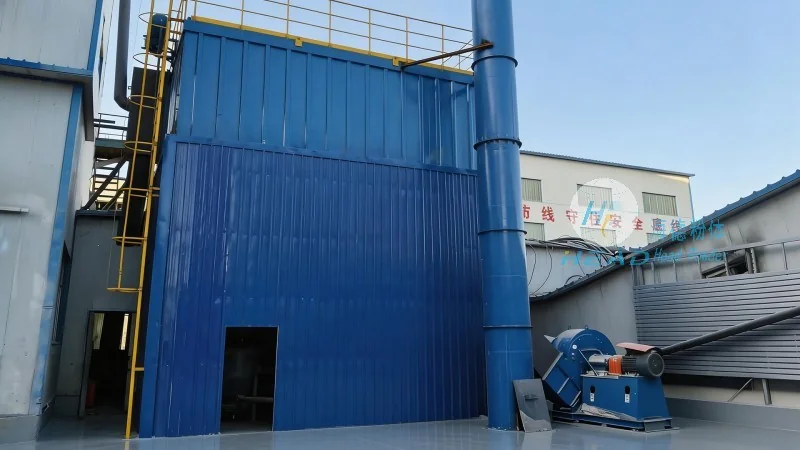
Components and Their Functions in a Light Calcium Handling System
A typical light calcium material handling system consists of several interconnected components, each playing a vital role in the overall operation. The storage hopper is the first component, where raw light calcium is stored before processing. It is designed with a conical bottom to facilitate gravity-fed discharge. The hopper may include a discharge valve, such as a rotary valve or slide gate, to control the flow rate. Next, the conveyor system transports the material from the hopper to the processing equipment. Common types include screw conveyors or pneumatic conveyors, chosen based on the material's properties and the distance to be covered. The conveyor must be equipped with dust seals and cleaning mechanisms to prevent material buildup and maintain efficiency. Finally, the dust collection system captures any airborne particles, ensuring compliance with environmental regulations and worker safety. This system typically includes filters and a fan to draw air through the material and filter out dust before releasing it to the atmosphere.
Applications and Industries Using Light Calcium Handling Systems
Light calcium material handling systems are widely used across various industries due to the versatility of light calcium compounds. In the plastics industry, light calcium is used as a filler to reduce material costs and improve product properties. The handling system ensures a consistent supply of high-quality material to extrusion and molding machines. In the paper industry, light calcium is used as a coating and filler, and the system helps maintain the material's purity and consistency for coating processes. Additionally, in the food and pharmaceutical sectors, the system must meet stringent hygiene standards, with components made from food-grade materials and thorough cleaning protocols. The design of the system is tailored to meet the specific requirements of each industry, ensuring both efficiency and compliance with regulatory standards.
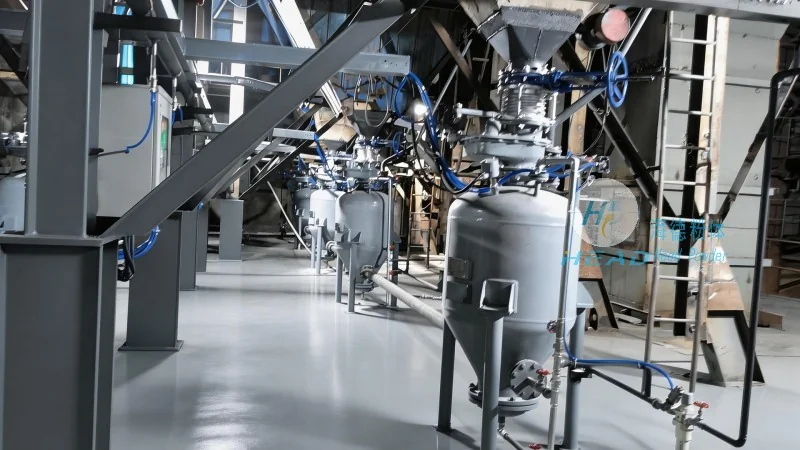
About Shandong HeadPowder Engineering Co., Ltd.
Shandong HeadPowder Engineering Co., Ltd., commonly known as HeadPowder, is a leading manufacturer of specialized material handling systems for light calcium and other fine powders. With headquarters in Shandong, China, HeadPowder has established itself as a trusted partner in the industry, providing high-quality equipment and tailored solutions to meet the diverse needs of clients. The company's expertise lies in understanding the unique challenges of handling light calcium and designing systems that address these challenges effectively. HeadPowder's team of engineers and technicians work closely with clients to develop customized solutions that enhance productivity, reduce downtime, and improve overall operational efficiency. By leveraging advanced technology and rigorous quality control, HeadPowder ensures that its systems meet the highest standards of performance and reliability, helping clients achieve their production goals while maintaining safety and compliance.