

What is an Automatic Material Feeding and Conveying System? What are its Design Principles?
An automatic material feeding and conveying system is a sophisticated industrial solution designed to handle the efficient and precise transfer of raw materials or components from one processing stage to another. This technology is pivotal in modern manufacturing, pharmaceutical, and food processing industries, where consistency, speed, and safety are paramount. The system integrates various components such as feeders, conveyors, sensors, and control units to automate the material handling process, reducing human intervention and minimizing errors. Developed by Shandong HeadPowder Engineering Co., Ltd., a leading manufacturer based in Shandong, China, this system exemplifies advanced engineering in material handling solutions.
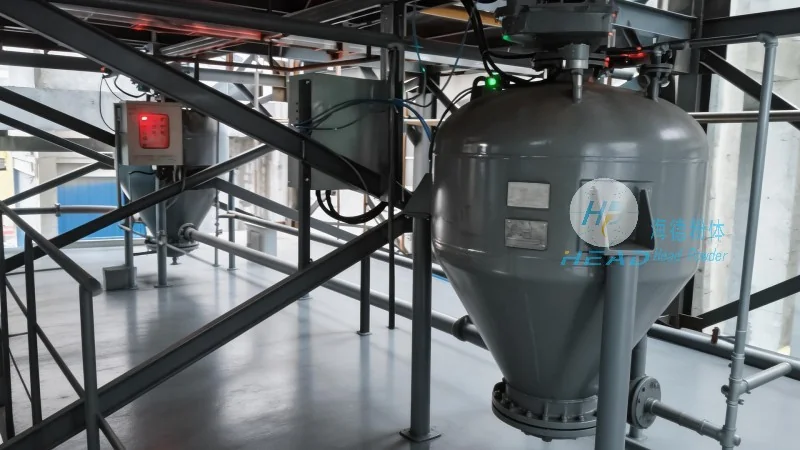
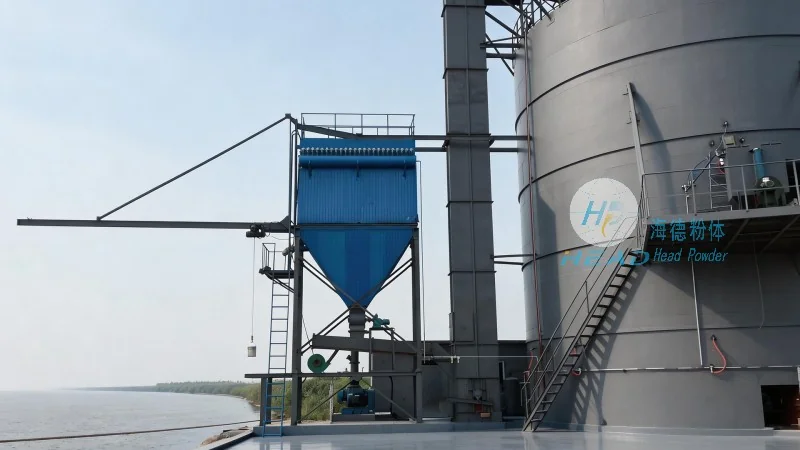
Key Components of an Automatic Material Feeding System
The core of an automatic material feeding and conveying system consists of several essential components that work in tandem to ensure smooth operation. First, the feeder is responsible for accurately measuring and dispensing the material. Common types include vibratory feeders, screw feeders, and belt feeders, each suited for different material characteristics like bulk density, flowability, and particle size. Next, the conveyor system transports the material from the feeder to the processing equipment. Options include belt conveyors, chain conveyors, and pneumatic conveyors, selected based on the material's physical properties and the required conveying distance. Sensors and control units are critical for monitoring the system's performance and adjusting operations in real-time. These may include level sensors, position sensors, and programmable logic controllers (PLCs) that ensure the system operates within set parameters, enhancing reliability and efficiency.
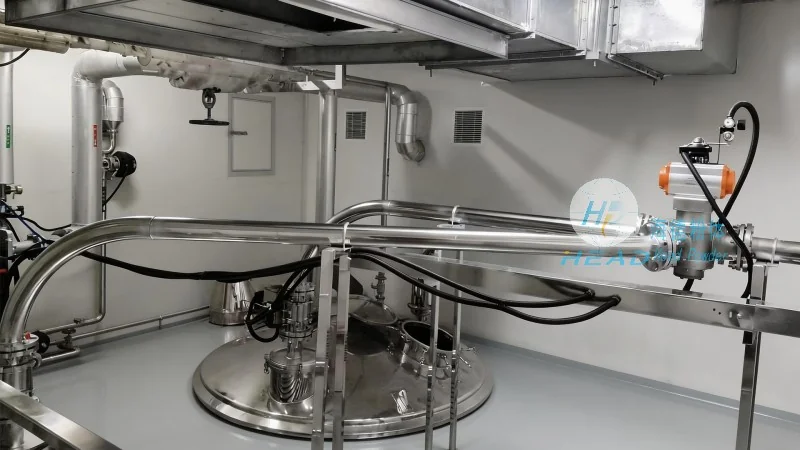
Design Principles Behind the System
The design principles of an automatic material feeding and conveying system prioritize several key factors to meet industrial requirements. One fundamental principle is material compatibility, ensuring that all components are constructed from materials that are resistant to the specific chemicals or temperatures of the processed materials. For instance, in pharmaceutical applications, stainless steel is often used to maintain hygiene and prevent contamination. Another principle is scalability, allowing the system to be customized to handle varying production volumes. This is achieved through modular designs that can be expanded or reconfigured as production needs change. Additionally, the system is designed for easy maintenance, with accessible components and clear diagnostic indicators that help technicians identify and resolve issues quickly. Safety is also a critical design consideration, with features like emergency stop buttons, safety interlocks, and protective guards to prevent accidents and ensure compliance with safety regulations.
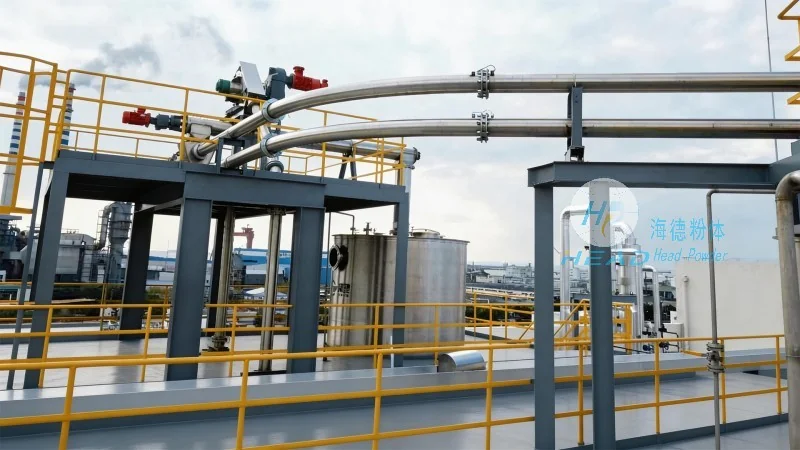
Applications and Benefits in Industrial Settings
Automatic material feeding and conveying systems are widely used across various industries due to their versatility and efficiency. In the manufacturing sector, they are essential for automating the supply chain of raw materials to assembly lines, reducing downtime and increasing throughput. In the pharmaceutical industry, these systems ensure the precise dosing and handling of active ingredients, maintaining product quality and regulatory compliance. The food processing industry benefits from such systems by enabling hygienic and efficient handling of ingredients, minimizing cross-contamination risks. The primary benefits of these systems include increased production speed, reduced labor costs, improved product consistency, and enhanced safety. By automating material handling, companies can achieve higher operational efficiency and lower operational costs, making it a valuable investment for modern industrial operations.