

What is a Continuous Weighing and Feeding Material Handling System? What are its Design Principles?
Continuous weighing and feeding material handling systems are advanced industrial solutions designed to precisely control and transport bulk materials in a continuous flow. These systems are widely used across various industries, including mining, construction, food processing, and chemical manufacturing, where accurate material measurement and consistent feeding rates are critical for operational efficiency and product quality. The core function of such systems is to provide a seamless, uninterrupted process for handling raw materials, ensuring that the material is delivered at the exact rate required by downstream equipment or processes.
Understanding the Core Components of a Continuous Weighing and Feeding System
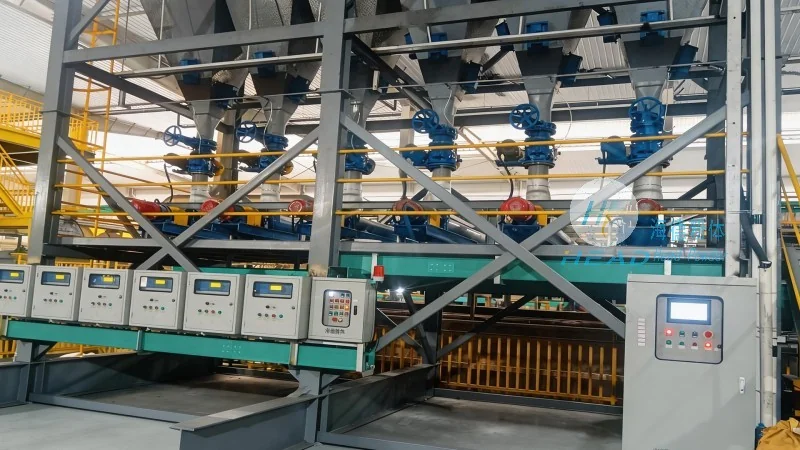
A typical continuous weighing and feeding system consists of several key components that work in concert to achieve precise material handling. The primary elements include a weigh feeder, a feeder (such as a screw or belt feeder), a control system, and often a hopper or storage bin to hold the bulk material. The weigh feeder is the heart of the system, responsible for measuring the weight of the material as it moves through the feeder. This component uses load cells or other weighing sensors to provide real-time data on the material's mass, which is then processed by the control system to adjust the feeder's speed or output accordingly.
The Design Principles Behind Continuous Weighing and Feeding
The design principles of continuous weighing and feeding systems are centered on achieving high accuracy, reliability, and adaptability to different material types and process requirements. One of the fundamental principles is the concept of closed-loop control, where the system continuously monitors the material flow and adjusts the feeder's operation to maintain the desired weight or flow rate. This closed-loop mechanism ensures that any variations in material density, moisture content, or feeder performance are immediately compensated for, resulting in consistent output.
Another critical design principle is the use of calibration and verification procedures. To maintain accuracy over time, continuous weighing systems require regular calibration using known weights or reference materials. This ensures that the system's measurements remain accurate, even as components wear or environmental conditions change. Additionally, many systems incorporate self-diagnostics and error-checking features to detect and alert operators to any deviations or malfunctions, enhancing system reliability.
Applications and Benefits of Continuous Weighing and Feeding Systems
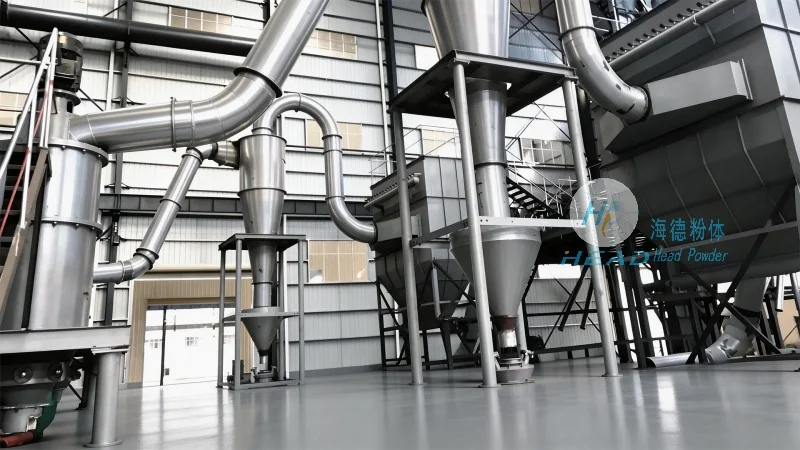
Continuous weighing and feeding systems offer numerous benefits across different industries. In the mining sector, for example, these systems are used to control the feed rate to crushers or conveyors, optimizing the crushing process and reducing material waste. In the construction industry, they help in accurately proportioning raw materials for concrete production, ensuring consistent mix quality. The food processing industry benefits from precise feeding for ingredients like flour, sugar, or spices, which is essential for maintaining product consistency and meeting regulatory standards. Chemical manufacturers use these systems to control the addition of reagents or catalysts, ensuring safe and efficient chemical reactions.
Key benefits of continuous weighing and feeding systems include improved process control, reduced material waste, enhanced product quality, and increased operational efficiency. By providing real-time data on material flow, these systems enable operators to make informed decisions and adjust processes on the fly, minimizing downtime and maximizing productivity. Additionally, the consistent feeding rates help in reducing equipment wear and tear, extending the lifespan of machinery and lowering maintenance costs.
HeadPowder's Approach to Designing Continuous Weighing and Feeding Systems
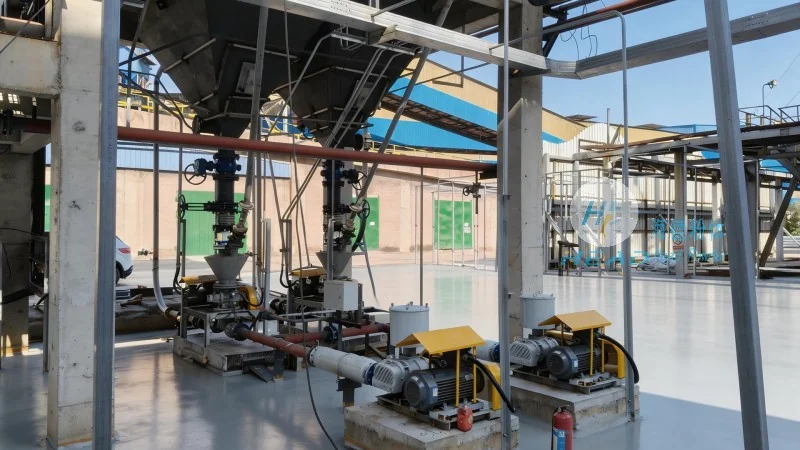
Shandong HeadPowder Engineering Co., Ltd., a leading provider of material handling solutions, specializes in designing and manufacturing high-quality continuous weighing and feeding systems tailored to the specific needs of its clients. With a focus on precision, reliability, and customer satisfaction, HeadPowder leverages advanced technology and engineering expertise to develop systems that meet the most demanding industrial requirements. The company's design philosophy emphasizes the integration of robust components, user-friendly control interfaces, and comprehensive support services to ensure that clients achieve optimal performance and long-term value from their material handling equipment.
HeadPowder's continuous weighing and feeding systems are built with durability and efficiency in mind. The company uses high-quality materials and precision manufacturing processes to ensure that each component operates reliably under harsh industrial conditions. The weigh feeders are designed with advanced load cell technology, providing accurate measurements even with varying material characteristics. The control systems are equipped with intuitive software that allows operators to easily set and adjust feeding rates, monitor system performance, and access historical data for process optimization. Additionally, HeadPowder offers customized solutions, allowing clients to adapt the system to their unique production environments and material types.
Conclusion: The Importance of Continuous Weighing and Feeding Systems
Continuous weighing and feeding material handling systems play a vital role in modern industrial operations, providing the precision and reliability needed to maintain efficient and high-quality production processes. By understanding the design principles and benefits of these systems, businesses can make informed decisions about implementing the right equipment to meet their operational goals. With companies like Shandong HeadPowder Engineering Co., Ltd. leading the way in innovation and quality, the future of material handling technology continues to evolve, offering even more advanced solutions for the ever-changing needs of industrial applications.