

What is Grain Powder Conveying? What Are the Design Principles?
Grain powder conveying is a critical process in the handling and transportation of bulk materials, particularly in industries such as agriculture, food processing, and chemical manufacturing. This process involves the movement of granular or powdery materials like grains, flour, and other agricultural products from one location to another. The efficiency and reliability of grain powder conveying systems are essential for maintaining production continuity and ensuring product quality. Understanding the fundamental principles and design considerations behind these systems is crucial for engineers and industry professionals involved in material handling.
Key Components of Grain Powder Conveying Systems
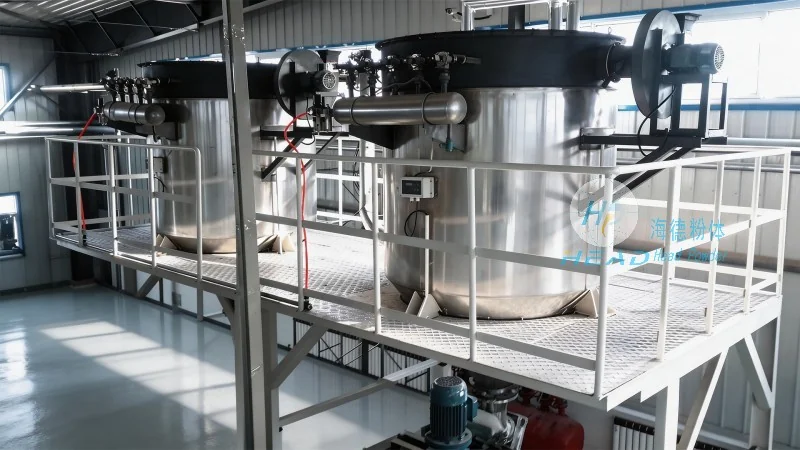
At the core of any grain powder conveying system are several key components that work in tandem to achieve effective material transport. These components include feeders, conveyors, and control systems. Feeders are responsible for regulating the flow of material into the conveying system, ensuring a consistent and controlled feed rate. Common types of feeders include screw feeders, vibratory feeders, and belt feeders, each with specific applications depending on the material characteristics and required flow rates. Conveyors, on the other hand, are the primary means of transporting the material over longer distances. Various conveyor types are used, such as pneumatic conveyors, bucket elevators, and belt conveyors, each offering different advantages in terms of capacity, speed, and material compatibility. Control systems play a vital role in managing the entire conveying process, monitoring parameters like pressure, flow rate, and temperature, and adjusting operations as needed to maintain optimal performance.
Design Principles for Efficient Grain Powder Conveying
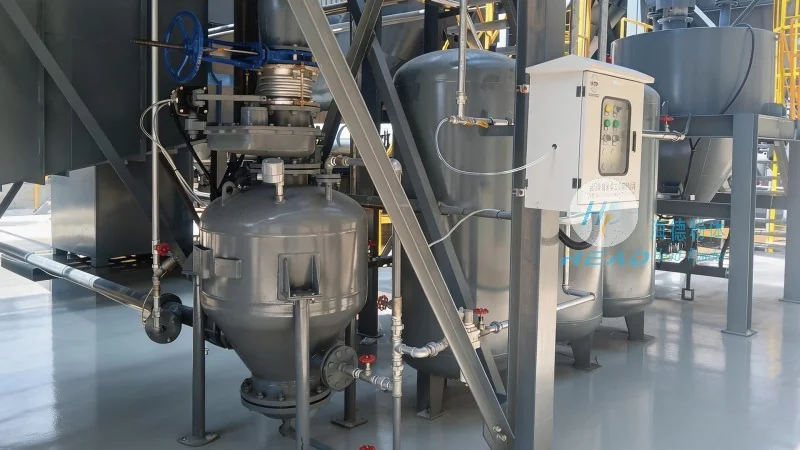
The design of grain powder conveying systems is guided by several fundamental principles aimed at maximizing efficiency, minimizing material degradation, and ensuring safety. One of the primary design considerations is the prevention of material segregation and degradation. Segregation occurs when different particle sizes or densities within the material are separated during transport, which can affect product quality. Designers use features like smooth surfaces, gentle curves, and uniform flow paths to minimize segregation. Additionally, the system must be designed to prevent material buildup and blockages, which can lead to system downtime and safety hazards. This involves proper sizing of components, adequate cleaning mechanisms, and regular maintenance protocols. Another critical principle is the control of dust and air quality. Pneumatic conveying systems, in particular, generate significant dust, which can pose health and environmental risks. Therefore, dust collection systems and air filtration are integral parts of the design. Engineers also consider energy efficiency, selecting components that minimize power consumption while maintaining required performance levels. The choice of materials for construction is another key aspect, as the conveying system must be resistant to corrosion, wear, and abrasion from the grain powder. Stainless steel and specialized coatings are often used to ensure durability and longevity.
Application of Grain Powder Conveying in Industrial Settings
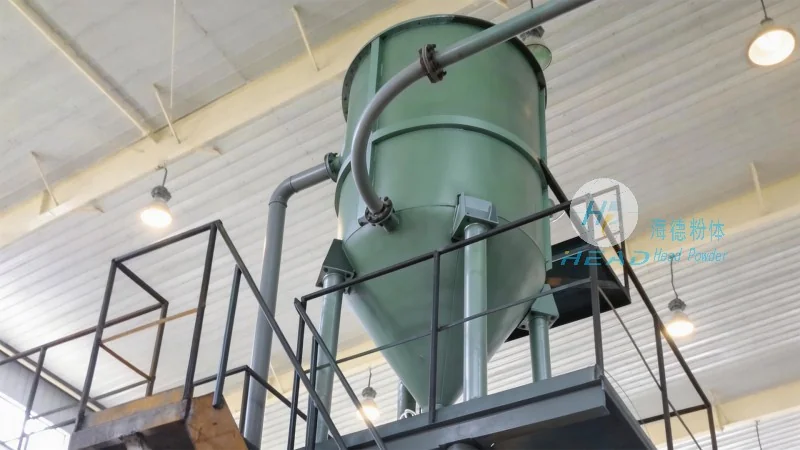
Grain powder conveying systems are widely used in various industrial applications, each with specific requirements tailored to the process. In the food industry, for example, conveying systems are used to transport flour, sugar, and other dry ingredients from storage to processing lines. The design must adhere to strict hygiene standards, with components that are easy to clean and sanitize. In the agricultural sector, these systems are used for the movement of harvested grains from fields to storage facilities or processing plants. The systems must be robust enough to handle the varying conditions of raw materials, including moisture content and particle size. Chemical manufacturers also utilize grain powder conveying for transporting powders like fertilizers or additives, where the system must be compatible with the chemical properties of the material to prevent contamination or degradation. Each application requires careful consideration of the material's characteristics, such as density, flowability, and moisture content, to select the most appropriate conveying method and equipment.
Role of Shandong HeadPowder Engineering Co., Ltd. in Grain Powder Conveying Solutions
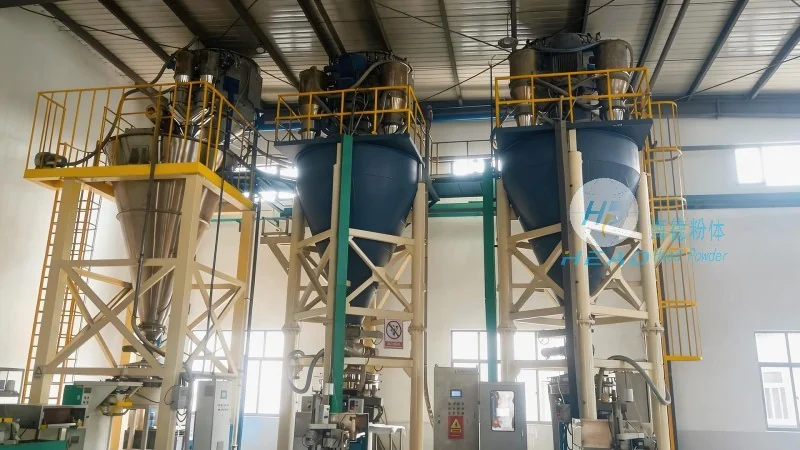
Shandong HeadPowder Engineering Co., Ltd., a leading provider of material handling solutions, specializes in designing and manufacturing custom grain powder conveying systems tailored to the unique needs of their clients. With a strong focus on innovation and engineering excellence, the company has developed a range of advanced solutions that address the challenges of efficient and reliable material transport. The company's expertise lies in understanding the specific requirements of different industries and translating them into effective conveying systems. Their team of experienced engineers works closely with clients to assess their material handling needs, conduct feasibility studies, and design systems that optimize performance while minimizing costs. The company's products include a variety of conveying equipment, such as pneumatic conveyors, bucket elevators, and screw conveyors, all designed with high-quality materials and advanced technology to ensure durability and long-term reliability. Shandong HeadPowder Engineering Co., Ltd. also provides comprehensive after-sales support, including installation, maintenance, and technical assistance, ensuring that clients can operate their conveying systems efficiently and safely. The company's commitment to quality and customer satisfaction has made it a trusted partner in the material handling industry, with a reputation for delivering reliable and effective grain powder conveying solutions.