

Cement and Mineral Powder Pneumatic Conveying System Equipment: Understanding Its Design Principles
For industries dealing with bulk materials like cement and mineral powders, efficient material handling is crucial for maintaining production efficiency and safety. A key solution in this regard is the cement and mineral powder pneumatic conveying system, which uses air to transport these fine powders over long distances with minimal loss and contamination. This article explores what such a system entails and the underlying design principles that make it effective.
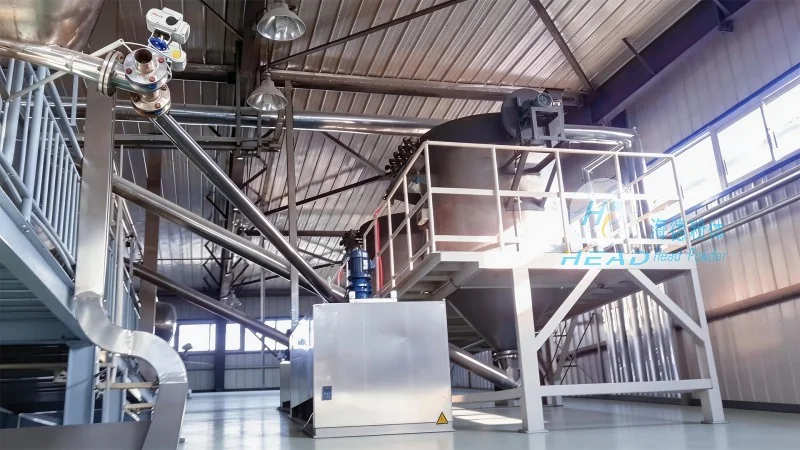
Overview of Cement and Mineral Powder Pneumatic Conveying Systems
A pneumatic conveying system for cement and mineral powders is a mechanical system designed to transport dry, fine powders through a pipeline using compressed air. Unlike traditional methods like belt conveyors or bucket elevators, pneumatic systems offer advantages such as reduced dust generation, lower maintenance requirements, and the ability to handle materials in a closed environment, which is critical for maintaining product quality and worker safety. The system typically consists of several key components, including a material hopper, a rotary valve or feeder, a conveying pipeline, a dust collector, and a control system.
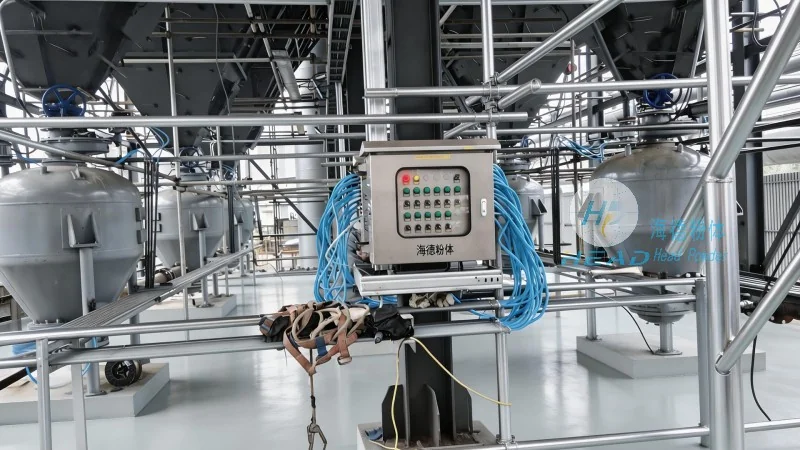
Key Components and Their Functions
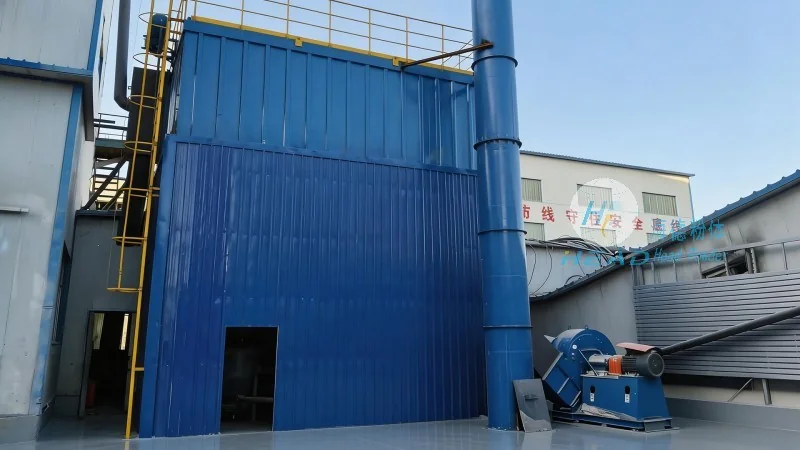
Each component of the pneumatic conveying system plays a vital role in the overall operation. The material hopper stores the bulk cement or mineral powder, ensuring a steady supply to the system. The rotary valve or feeder regulates the flow of material from the hopper into the pipeline, controlling the rate of material discharge. The conveying pipeline, usually made of stainless steel or other corrosion-resistant materials, transports the material and air mixture. The dust collector, often equipped with filtration systems, captures any fine particles that may escape the pipeline, preventing environmental contamination and ensuring compliance with regulations. The control system monitors and adjusts the air pressure, material flow, and other parameters to maintain optimal operation.
Design Principles for Efficient Material Transport
The design of a cement and mineral powder pneumatic conveying system is based on several fundamental principles to ensure efficient and reliable operation. One of the primary principles is the balance between air velocity and material velocity. The air velocity must be sufficient to lift and transport the powder particles through the pipeline without causing excessive pressure drops or material degradation. This is typically achieved by calculating the appropriate air volume and pressure based on the material's properties, such as particle size, density, and flowability. Another critical principle is the system's pressure drop, which is the resistance to flow caused by the pipeline, fittings, and components. Proper design minimizes pressure drop to reduce energy consumption and ensure consistent material delivery. Additionally, the system's layout and configuration, including the number and placement of components, are optimized to minimize material degradation and ensure smooth flow, especially for heat-sensitive or abrasive materials.
Advantages of Using Pneumatic Conveying Systems
Implementing a pneumatic conveying system for cement and mineral powders offers numerous benefits for industrial operations. One of the most significant advantages is the reduction in dust exposure, which improves workplace safety and reduces the risk of product contamination. Unlike open systems, pneumatic conveyors operate in a closed environment, containing dust and preventing it from entering the air. This not only protects workers from respiratory hazards but also maintains the purity of the material, which is essential for applications where quality is critical. Another advantage is the ability to transport materials over long distances with minimal loss. Pneumatic systems can handle distances of several hundred meters or more, making them suitable for large-scale industrial facilities. Furthermore, these systems are relatively low maintenance compared to other bulk material handling equipment. The absence of moving parts in the pipeline reduces wear and tear, and the closed design minimizes the need for frequent cleaning and repairs. This results in lower operational costs and increased uptime for the system.
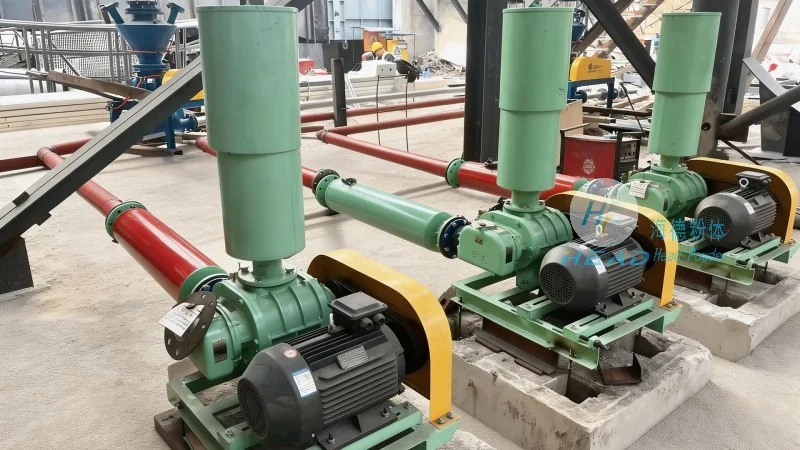
Customization and Application Flexibility
Shandong HeadPowder Engineering Co., Ltd., a leading manufacturer based in China, specializes in designing and manufacturing customized pneumatic conveying systems tailored to the specific needs of cement and mineral powder industries. The company's expertise lies in understanding the unique challenges of handling fine powders and developing solutions that address these challenges effectively. By working closely with clients, HeadPowder engineers can design systems that optimize material flow, minimize energy consumption, and ensure compliance with industry standards and regulations. The company's products are known for their durability, efficiency, and reliability, making them a trusted choice for businesses looking to enhance their material handling capabilities. Whether for new installations or upgrades to existing systems, HeadPowder provides comprehensive solutions that meet the evolving demands of the industry.