

What is Steel Slag and Limestone Pneumatic Conveying? What are the Design Principles?
Steel slag and limestone pneumatic conveying systems are essential in industrial applications, particularly in the steel and chemical sectors. These systems efficiently transport bulk materials like steel slag and limestone through a network of pipes using air pressure. Understanding the design principles behind such systems is crucial for optimizing performance, ensuring safety, and maintaining operational efficiency.
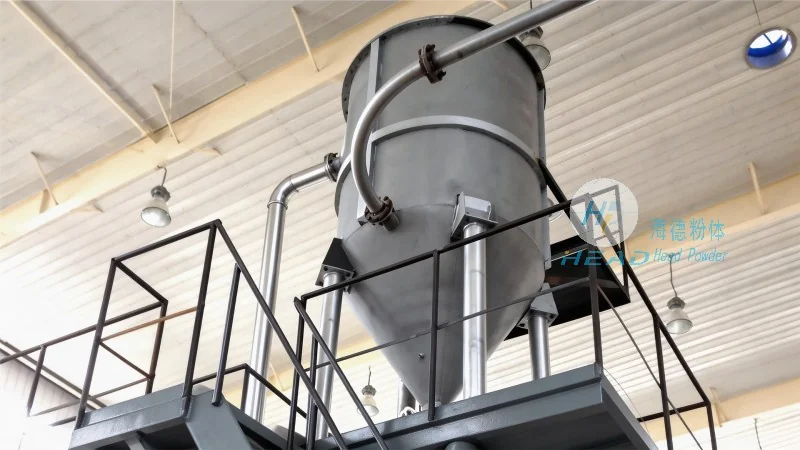
Overview of Steel Slag and Limestone Pneumatic Conveying
At the core of pneumatic conveying is the ability to move bulk materials without mechanical components like belts or buckets. Instead, air is used as the medium to transport the material through a pipeline. This method is widely adopted in industries dealing with abrasive or heavy materials, such as steel slag and limestone, which are often challenging to handle with traditional methods. The system typically consists of a hopper for material storage, a feeder to control the flow, a conveying line, and a receiver for the material at the destination.
Key Components of the Pneumatic Conveying System
The design of a steel slag and limestone pneumatic conveying system involves several critical components that work in tandem to ensure smooth operation. The first component is the material hopper, which stores the bulk material and provides a consistent feed to the system. This hopper is usually equipped with a discharge valve or feeder that regulates the material flow into the conveying line. The feeder is designed to handle the specific characteristics of steel slag and limestone, such as their density, particle size, and abrasiveness. A common type of feeder is the rotary valve or screw feeder, which ensures a controlled and continuous flow of material.
Next, the conveying line itself is a crucial part of the system. It is typically made of durable materials like stainless steel or high-density polyethylene to withstand the abrasive nature of steel slag and limestone. The pipeline is designed with appropriate bends and elbows to direct the material flow without causing blockages or excessive pressure drops. The design of the conveying line must consider the material's properties, including its particle size distribution and density, to ensure efficient transport. The use of smooth, unobstructed pipes minimizes friction and prevents material buildup, which can lead to system inefficiencies or failures.
Design Principles for Efficient Material Transport
Efficient pneumatic conveying of steel slag and limestone relies on several key design principles. The first principle is the selection of the appropriate air velocity. The air velocity must be high enough to overcome the gravitational force acting on the material particles and maintain a stable flow within the pipeline. However, excessive air velocity can lead to high energy consumption and increased wear on the system components. The optimal air velocity is determined based on the material's characteristics, such as particle size and density, and the system's configuration. For steel slag and limestone, typical air velocities range from 20 to 30 meters per second, depending on the specific application.
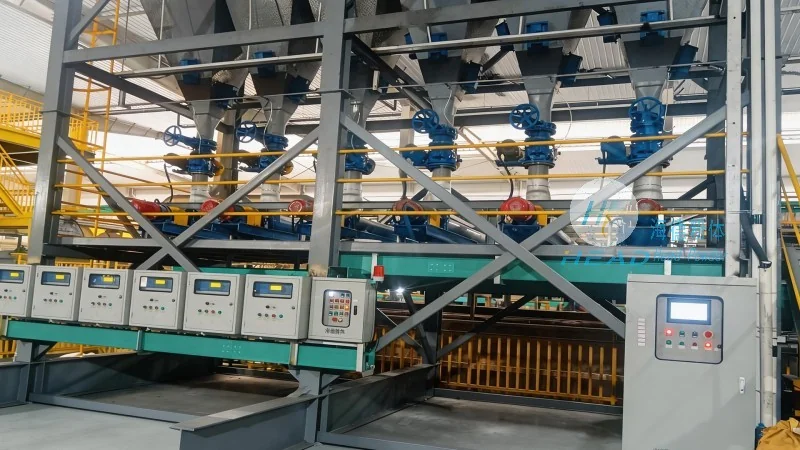
A second critical design principle is the pressure drop across the conveying line. The pressure drop is the difference in air pressure between the inlet and outlet of the system and is a measure of the energy required to transport the material. The design must minimize unnecessary pressure drops by optimizing the pipeline length, diameter, and number of bends. This involves using the right diameter for the conveying line, as a larger diameter reduces friction and pressure drop. Additionally, the use of smooth pipe surfaces and proper alignment of bends can further reduce pressure losses.
A third important principle is the system's capacity and flow rate. The design must ensure that the system can handle the required throughput of steel slag and limestone without overloading or causing material degradation. This involves calculating the material's flow rate based on its bulk density and the system's air velocity. The feeder and hopper must be sized appropriately to match the system's capacity, ensuring a consistent and reliable flow. Overloading the system can lead to blockages, increased wear, and reduced efficiency, so proper sizing is essential.
Advantages of Pneumatic Conveying for Steel Slag and Limestone
Pneumatic conveying systems offer several advantages over traditional mechanical conveying methods for steel slag and limestone. One of the primary benefits is the ability to transport materials over long distances without the need for intermediate storage or transfer points. This reduces the risk of material contamination and improves overall system efficiency. Additionally, pneumatic conveying is less prone to material degradation compared to mechanical systems, as there are no moving parts that can cause abrasion or breakage.
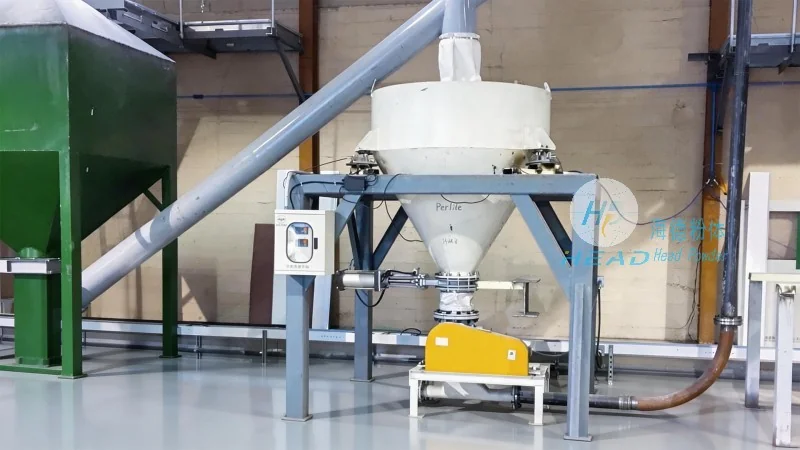
Another advantage is the flexibility of the system. Pneumatic conveying can be easily adapted to different applications and material types by adjusting the air velocity, pressure, and system configuration. This makes it suitable for various industrial processes, from raw material transport to finished product handling. The system can also be integrated with other equipment, such as crushers or classifiers, to form a complete material handling solution.
Furthermore, pneumatic conveying systems are generally more cost-effective in the long run compared to mechanical systems. While the initial investment may be higher due to the need for air compressors and specialized piping, the reduced maintenance costs and increased efficiency lead to lower operational expenses over time. The system also requires less space compared to traditional methods, making it ideal for facilities with limited floor space.
Considerations for System Design and Installation
When designing and installing a steel slag and limestone pneumatic conveying system, several factors must be considered to ensure optimal performance. The first consideration is the material's properties, including its particle size, density, and abrasiveness. These properties directly impact the system's design, such as the air velocity required and the material of construction for the pipeline and components. For example, steel slag is more abrasive than limestone, so the system components must be made of more durable materials to withstand the wear.
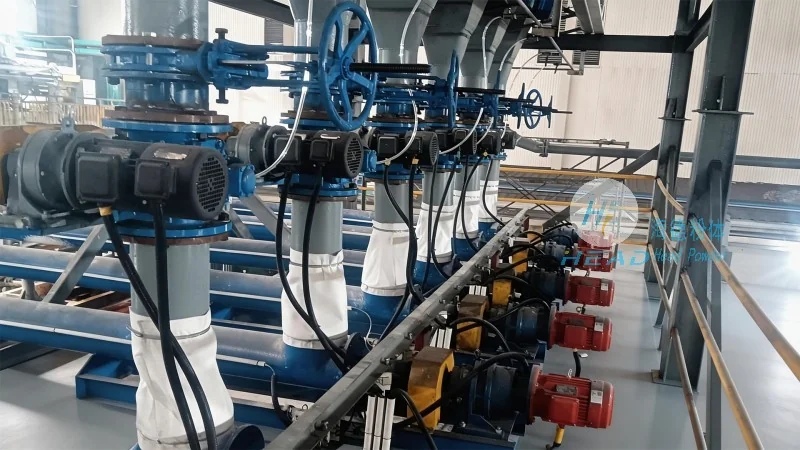
Second, the system's layout and configuration must be carefully planned. The distance between the hopper and the receiver, the number of bends and elbows, and the overall pipeline layout all affect the system's performance. A well-designed layout minimizes pressure drops and ensures smooth material flow. The use of appropriate supports and brackets for the pipeline is also essential to prevent sagging or vibration, which can cause material buildup or system failure.
Third, the selection of the air compressor is critical. The air compressor must be capable of providing the required air pressure and flow rate to maintain the system's operation. The type of compressor, such as rotary or reciprocating, and its capacity must be matched to the system's needs. The compressor must also be equipped with proper filtration and moisture removal systems to prevent contamination of the air and material.
Finally, regular maintenance and monitoring are essential for the long-term performance of the system. This includes checking for wear and tear on components, monitoring pressure and flow rates, and cleaning the system as needed. Proper maintenance can extend the system's lifespan and prevent costly downtime.
Conclusion
Steel slag and limestone pneumatic conveying systems are efficient and reliable solutions for transporting bulk materials in industrial applications. The design principles behind these systems, including the selection of appropriate components, air velocity, and pressure drop management, are crucial for optimizing performance and ensuring safety. By carefully considering the material properties and system configuration, engineers can design a pneumatic conveying system that meets the specific needs of their application. The advantages of pneumatic conveying, such as flexibility, low material degradation, and cost-effectiveness, make it a preferred choice for many industries dealing with steel slag and limestone.