

What is Corn Flour Pneumatic Conveying? And What Are Its Design Principles?
Corn flour, a crucial ingredient in food production and industrial applications, often requires efficient and safe transportation methods to maintain quality and prevent contamination. Pneumatic conveying systems have become a preferred solution for handling corn flour due to their ability to transport powders in a closed environment, reducing dust and enhancing process safety. This article explores the concept of corn flour pneumatic conveying and examines the core design principles that define such systems.
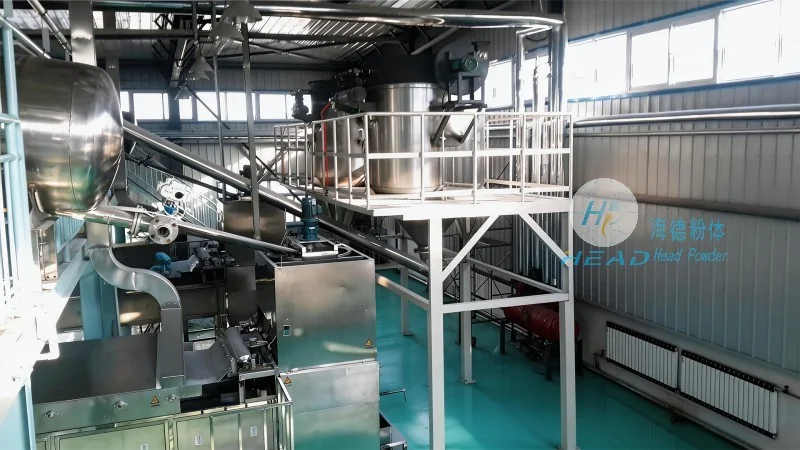
Corn Flour Pneumatic Conveying: An Overview
Pneumatic conveying, also known as air conveying, is a method of transporting bulk materials like corn flour using a stream of air. Unlike mechanical conveyors that rely on physical components such as belts or screws, pneumatic systems utilize air pressure or vacuum to move materials through pipes. For corn flour, which is a fine powder with low bulk density, this approach offers several advantages, including gentle handling, minimal product degradation, and the capability to transport materials over long distances without the need for multiple transfer points.
The Fundamental Design Principles of Corn Flour Pneumatic Conveying Systems
The design of a corn flour pneumatic conveying system involves several critical components and principles that work together to ensure efficient operation. The primary objective is to create a consistent flow of air and material, maintaining the desired velocity and pressure to prevent material settling or blockages. Key design considerations include:
System Components and Their Roles
1. Air Supply Unit: This component generates the necessary air pressure or vacuum to move the corn flour. It typically includes a blower or fan, which can be either positive displacement or centrifugal types, depending on system requirements. The air supply unit must deliver sufficient airflow and pressure to handle the specific characteristics of corn flour, such as its particle size and moisture content.
2. Feed Hopper and Metering Device: The feed hopper stores the corn flour and feeds it into the conveying line at a controlled rate. The metering device, often a rotary valve or screw feeder, ensures a steady flow of material, preventing overloading and maintaining consistent air-to-material ratios. This is vital for preventing clogging and ensuring the system operates efficiently.
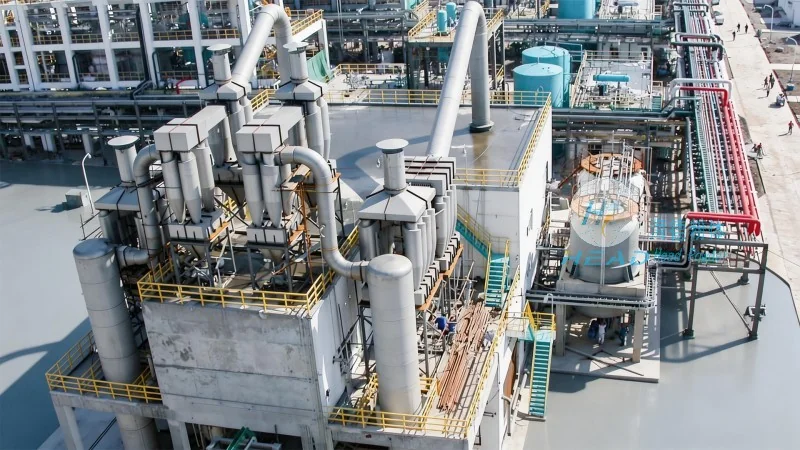
3. Conveying Line: The pipeline through which the corn flour and air travel. The material is suspended in the air stream and transported to the destination. The design of the conveying line, including pipe diameter, length, and bends, is critical. Larger diameters are generally preferred to minimize pressure drop and reduce the risk of blockages. Bends are typically designed with smooth transitions to avoid turbulence and material deposition.
4. Receiver and Diverter: The receiver is the final destination where the corn flour is deposited. It is usually a hopper or tank designed to collect the material. The diverter, often a rotary valve or slide gate, controls the flow of material from the conveying line to the receiver, ensuring proper discharge and preventing backflow.
Operating Principles and Key Design Factors
The operation of a corn flour pneumatic conveying system is governed by fluid dynamics and particle behavior principles. The system must maintain a sufficient air velocity to keep the corn flour particles suspended. The minimum conveying velocity is determined by the material's properties, including particle size, density, and moisture content. For corn flour, which is a fine powder, the conveying velocity is typically higher than for coarser materials to prevent settling.
Pressure drop is another critical factor in system design. It refers to the reduction in air pressure as it travels through the conveying line. Excessive pressure drop can lead to reduced airflow and potential blockages. Designers must calculate the pressure drop for each component and ensure the air supply unit can compensate for it. This involves considering factors like pipe friction, bends, and fittings, which all contribute to the overall pressure loss.
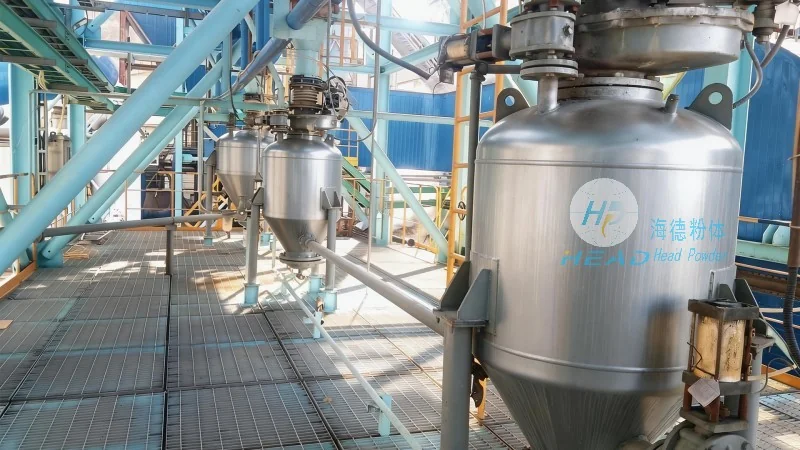
System capacity is also a key design consideration. It refers to the amount of corn flour that can be transported per unit time. This is determined by the air flow rate, material feed rate, and the system's pressure drop. Proper sizing of the air supply unit and conveying line is essential to meet the required capacity without overloading the system.
HeadPowder Engineering Co., Ltd.: A Specialist in Corn Flour Pneumatic Conveying Solutions
Shandong HeadPowder Engineering Co., Ltd., a leading provider of engineering solutions for bulk material handling, specializes in designing and manufacturing pneumatic conveying systems tailored to the needs of corn flour processing. With a focus on innovation and customer-centric design, HeadPowder has developed advanced systems that address the unique challenges of handling fine powders like corn flour.
The company's expertise lies in understanding the material properties of corn flour and translating them into effective system designs. By considering factors such as particle size distribution, moisture content, and flow characteristics, HeadPowder engineers can optimize the system for maximum efficiency and reliability. Their systems are built to withstand the demands of continuous operation in corn flour processing plants, ensuring long-term performance and minimal maintenance.
HeadPowder's commitment to quality and customer satisfaction is reflected in their comprehensive approach to system design. From initial consultation and system design to installation and after-sales support, the company provides end-to-end solutions that meet the specific requirements of each client. With a presence in China, particularly in Shandong, HeadPowder leverages its local expertise and resources to deliver high-quality products and services to the corn flour industry.