

What is Grain Bulk Pneumatic Conveying? What Are Its Design Principles?
Grain bulk pneumatic conveying is a critical technology in the agricultural and food processing industries, enabling the efficient transport of bulk materials like grains, powders, and other granular products. This method uses a combination of air and pressure to move materials through a system of pipes, offering advantages such as reduced contamination, lower labor costs, and enhanced safety compared to traditional mechanical conveying systems. The design of a pneumatic conveying system for grain involves several key principles that ensure optimal performance and reliability.
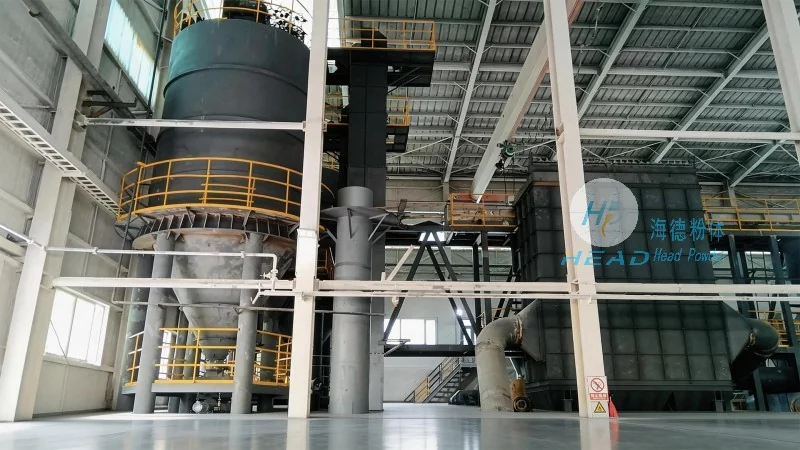
At Shandong HeadPowder Engineering Co., Ltd., we specialize in the design and implementation of advanced pneumatic conveying solutions tailored to the unique needs of grain handling operations. Our expertise lies in understanding the specific properties of different grain types, such as moisture content, particle size, and flow characteristics, which are crucial for selecting the appropriate conveying method—whether it's a pressure or vacuum system. The company, commonly known as HeadPowder, is headquartered in Shandong, China, and has built a reputation for delivering high-quality, customized solutions that meet the demands of modern grain processing facilities.
The Core Design Principles of Grain Pneumatic Conveying Systems
The core design principle of grain bulk pneumatic conveying revolves around the balance between air velocity and material density. In a pressure system, air is forced into the conveying line, creating a positive pressure that propels the material forward. The velocity of the air must be sufficient to lift and transport the particles without causing excessive wear on the system components. Conversely, vacuum systems use a negative pressure to draw material from a source into the conveying line. Both systems rely on the principle of fluidization, where the material is suspended in the air stream, allowing it to move smoothly through the pipes. The design must also consider factors like system pressure, air flow rate, and the length and diameter of the conveying lines to ensure efficient material transport and minimize energy consumption.
Key Components and Engineering Considerations
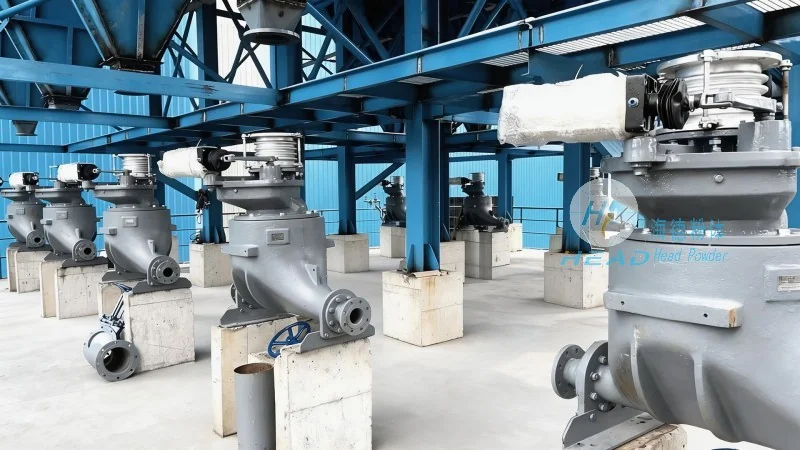
Key components of a grain pneumatic conveying system include the material feed hopper, which holds the grain and controls the flow rate; the air supply unit, which generates the necessary pressure or vacuum; the conveying pipes, which transport the material; and the discharge unit, which delivers the material to its final destination. Each component is carefully engineered to handle the specific characteristics of grain, such as its tendency to clump or segregate. For example, some systems incorporate vibrators or agitators in the hopper to prevent material bridging, while others use special pipe materials, like stainless steel or plastic, to resist corrosion and wear from the grain.
System Capacity and Scalability
Another critical design consideration is the system's capacity and scalability. Grain processing facilities often require conveying systems that can handle varying volumes of material, from small batches to large-scale production. The design must account for peak load conditions and ensure that the system can maintain consistent performance under different operational scenarios. At HeadPowder, our engineers work closely with clients to assess their specific requirements, including the type of grain, processing capacity, and operational environment, to develop a customized solution that optimizes both efficiency and cost-effectiveness.
Energy Efficiency in Pneumatic Conveying Design
Energy efficiency is also a significant factor in the design of pneumatic conveying systems for grain. Traditional systems may consume high levels of energy, leading to increased operational costs. Modern designs incorporate features like variable frequency drives (VFDs) to adjust the air flow rate based on the material load, reducing energy waste. Additionally, the use of efficient air filters and pressure regulators helps maintain optimal system performance while minimizing energy consumption. These design elements not only lower operating costs but also contribute to a more sustainable operation, aligning with the growing emphasis on environmental responsibility in the industry.
Reliability and Maintenance Aspects
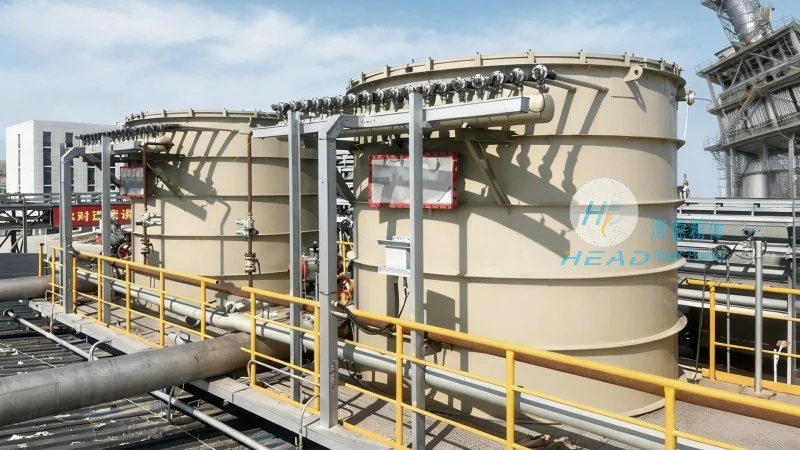
Reliability and maintenance are essential aspects of grain pneumatic conveying system design. The system must be built to withstand the abrasive nature of grain particles, which can cause wear on pipes, valves, and other components over time. High-quality materials, such as corrosion-resistant stainless steel or wear-resistant coatings, are used to extend the system's lifespan and reduce maintenance frequency. Regular maintenance, including cleaning of filters and checking for leaks, is also crucial to ensure the system operates at peak efficiency. HeadPowder's commitment to quality and durability ensures that our clients receive systems that are not only efficient but also long-lasting, providing reliable service for years to come.
Conclusion: Tailored Solutions for Grain Processing
In conclusion, grain bulk pneumatic conveying is a sophisticated technology that combines engineering principles with practical application to facilitate the efficient movement of grain. The design of such systems requires a deep understanding of material properties, system dynamics, and operational requirements. At Shandong HeadPowder Engineering Co., Ltd., we leverage our expertise and experience to deliver tailored pneumatic conveying solutions that meet the needs of grain processing facilities worldwide. Our focus on quality, efficiency, and reliability ensures that our clients can rely on our systems to enhance their operations and achieve their production goals.