

What is Silicate Glass Pneumatic Conveying? What Are the Design Principles?
Silicate glass pneumatic conveying is a specialized method used in material handling and processing industries to transport silicate glass powders or granules through a pipeline system using air or other gas as the conveying medium. This technology offers an efficient and often dust-free alternative to traditional mechanical conveying systems, making it particularly suitable for handling materials that are sensitive to moisture, contamination, or require controlled dispersion. The process involves creating a flow of air within a sealed pipeline, which draws the glass particles into the system and transports them to the desired destination. This method is widely adopted in applications such as glass manufacturing, chemical processing, and industrial material transport due to its ability to handle fine powders and maintain product integrity.
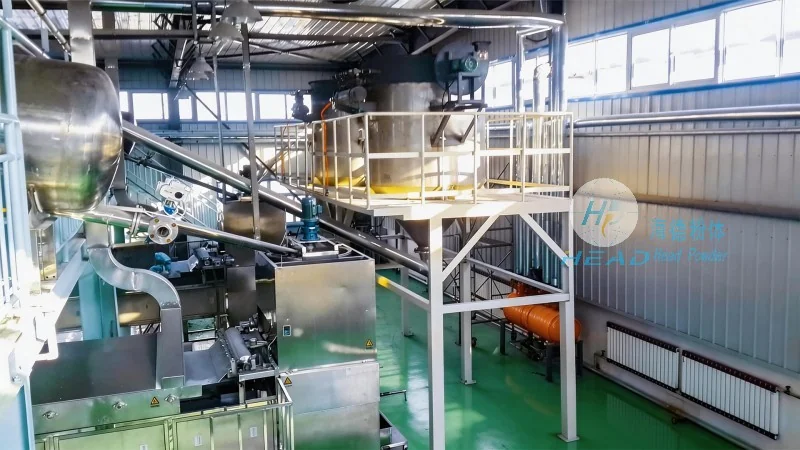
Understanding the Core Design Principles of Silicate Glass Pneumatic Conveying Systems
The design of a silicate glass pneumatic conveying system is governed by several critical principles that ensure optimal performance, efficiency, and safety. These principles are tailored to the unique properties of silicate glass, including its particle size, density, and flow characteristics. A key design consideration is the selection of the appropriate conveying velocity and pressure. The velocity must be high enough to overcome the friction between particles and the pipeline walls while preventing particle degradation or clogging. This is typically achieved by maintaining a specific air-to-material ratio, which balances the need for sufficient air to lift the particles against the risk of excessive air flow leading to energy waste or system instability.
Another crucial aspect is the system's configuration, which includes the choice of pipeline layout, such as vertical or horizontal runs, and the incorporation of components like feeders, cyclones, and filters. The layout is designed to minimize pressure losses and ensure consistent material flow. For silicate glass, which can be abrasive, the materials used for the pipeline and components are carefully selected to withstand wear and prevent contamination. For instance, stainless steel or specialized coatings are often employed to protect against corrosion and particle abrasion. The system also incorporates safety features, such as pressure relief valves and dust collection systems, to mitigate risks associated with high-pressure air and potential dust emissions.
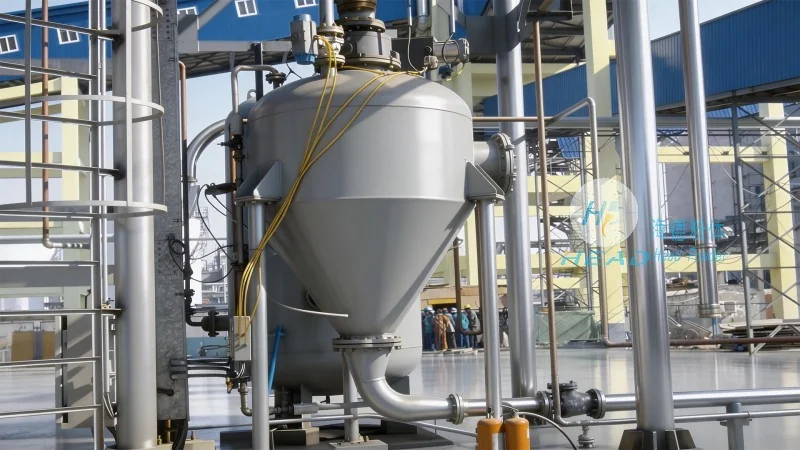
Key Components and Their Roles in Silicate Glass Pneumatic Conveying
A silicate glass pneumatic conveying system consists of several essential components, each playing a vital role in the overall operation. The primary components include the material feeder, which introduces the glass particles into the pipeline at a controlled rate; the conveying pipeline, which transports the material; and the receiver or discharge unit, which collects the material at the destination. The feeder is typically a rotary valve or a screw feeder, designed to handle fine powders without causing blockages or uneven flow. The pipeline is usually made of metal or plastic, with smooth inner surfaces to reduce friction and prevent particle accumulation. Cyclones are often integrated into the system to separate the glass particles from the air stream, allowing the air to be recirculated or discharged safely. Filters are also used to capture any fine particles that may escape, ensuring compliance with environmental regulations and maintaining product purity.
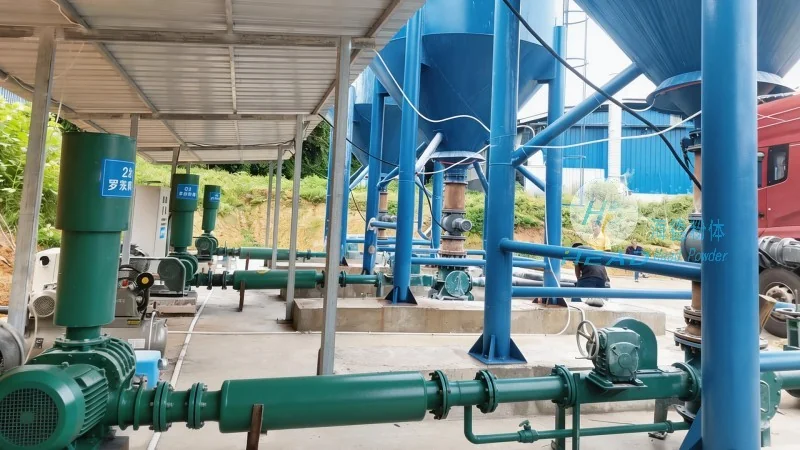
The system's control system is another critical component, responsible for regulating the air flow, pressure, and material feed rate. Modern systems often use sensors and automation to monitor parameters such as pressure, temperature, and flow rate, enabling real-time adjustments to maintain optimal performance. This automation enhances efficiency and reduces the risk of system failures or material loss. Additionally, the design of the system takes into account the specific characteristics of silicate glass, such as its tendency to agglomerate or settle, by incorporating features like vibration or agitation to maintain a consistent flow.
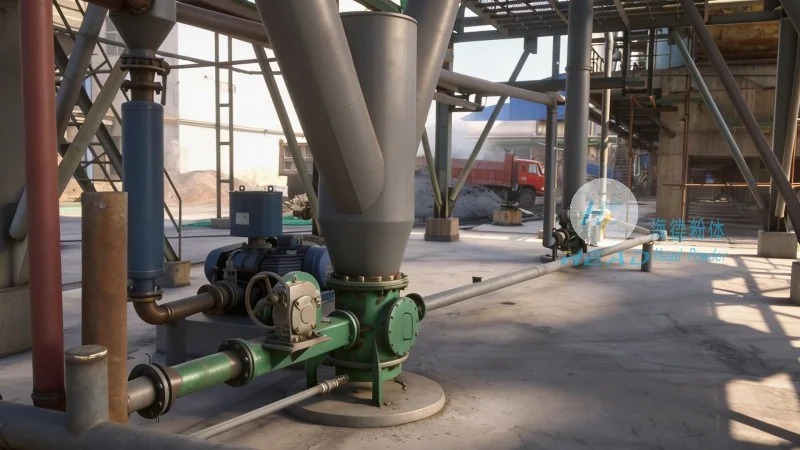
Applications and Benefits of Silicate Glass Pneumatic Conveying
Silicate glass pneumatic conveying is widely used in various industrial applications due to its advantages over traditional methods. In the glass manufacturing industry, it is used to transport raw materials like silica sand, soda ash, and limestone to the melting furnaces. The ability to handle fine powders and maintain a dust-free environment is particularly beneficial in this context, as it reduces contamination and improves product quality. In chemical processing, the technology is employed to transport glass powders used in the production of specialty chemicals or coatings. The controlled dispersion of the material ensures uniform mixing and consistent product properties. Other applications include the handling of glass powders in research and development laboratories, where precision and cleanliness are paramount.
The benefits of silicate glass pneumatic conveying extend beyond material transport. It offers significant advantages in terms of energy efficiency and operational costs compared to mechanical conveying systems. By using air as the conveying medium, the system reduces the need for moving parts and maintenance, leading to lower long-term operational expenses. Additionally, the dust-free nature of the system improves workplace safety and reduces the risk of respiratory issues for operators. The ability to handle fine powders without degradation also enhances product quality, as the particles remain intact throughout the conveying process. This is particularly important for applications where the glass particles are used in high-value products, such as optical components or specialty glassware. Systems like those designed and manufactured by Shandong HeadPowder Engineering Co., Ltd. exemplify these advantages, providing reliable and efficient solutions for industrial material handling needs.