

What is Plaster Powder Pneumatic Conveying? What Are the Design Principles?
Plaster powder pneumatic conveying is a specialized method used in the construction and material handling industries to transport fine powders like plaster efficiently. This technology involves using air pressure to move the powder through a system of pipes and equipment, offering advantages such as reduced dust, improved safety, and enhanced process control. Understanding the design principles behind this system is crucial for optimizing performance and ensuring reliable operation in various applications.
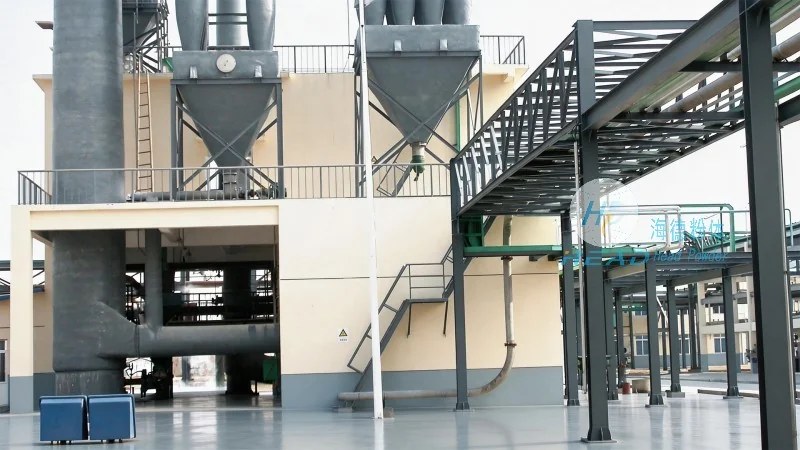
Introduction to Plaster Powder Pneumatic Conveying
Plaster powder, a common building material used in interior and exterior finishing applications, often requires efficient and safe transportation from storage to processing or application points. Traditional methods like manual handling or mechanical conveyors may lead to dust exposure, material loss, and operational inefficiencies. Pneumatic conveying systems provide a solution by utilizing compressed air to transport the fine powder particles through a sealed system. This approach not only minimizes environmental contamination but also enhances the overall workflow in construction and manufacturing settings.
Key Components of a Plaster Powder Pneumatic Conveying System
The effectiveness of a pneumatic conveying system for plaster powder depends on several critical components that work in tandem to ensure smooth operation. These components include the hopper or feeder, which holds the plaster powder and regulates its flow into the system; the air compressor, which generates the necessary pressure to move the powder; the conveying line, typically made of stainless steel or other corrosion-resistant materials to handle the fine particles; and the receiver or discharge unit, where the powder is collected at the destination. Each component must be carefully selected and sized to match the specific characteristics of the plaster powder, such as particle size, density, and moisture content, to prevent issues like blockages or system inefficiencies.
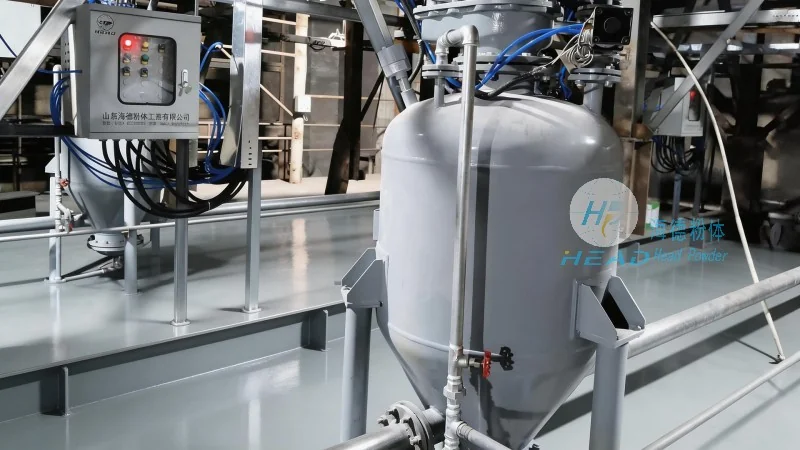
Design Principles for Efficient Plaster Powder Conveying
Designing an optimal pneumatic conveying system for plaster powder involves adhering to several fundamental principles that ensure the system operates at peak efficiency. The first principle is maintaining consistent air velocity within the conveying line. Air velocity must be high enough to prevent particle settling or clogging but not so high as to cause excessive wear on the system components or increase energy consumption. Typically, air velocities range from 20 to 30 meters per second for fine powders like plaster, ensuring that the particles remain suspended in the air stream. Another critical principle is the proper sizing of the conveying line and components. The diameter of the pipe should be sufficient to accommodate the volume of powder and air without causing excessive pressure drop, which can lead to reduced conveying capacity. Additionally, the system should incorporate features like in-line mixers or pulse jets to prevent particle accumulation and maintain consistent flow.
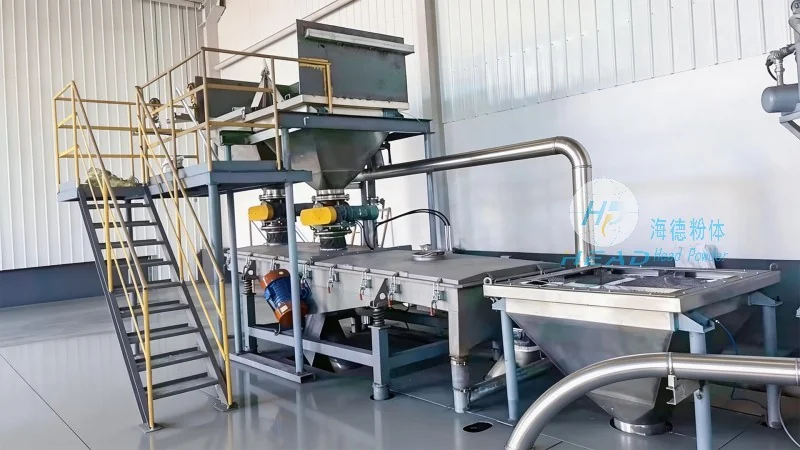
Advantages of Plaster Powder Pneumatic Conveying
Implementing a pneumatic conveying system for plaster powder offers numerous benefits that enhance both operational efficiency and worker safety. One of the primary advantages is the reduction of dust exposure, which is a significant health hazard in traditional manual handling methods. By keeping the powder enclosed within the system, the risk of inhalation or environmental contamination is minimized. This not only improves workplace safety but also helps in maintaining compliance with environmental regulations. Additionally, pneumatic conveying systems can reduce material loss during transport, as the sealed system prevents spillage or leakage that often occurs with open or mechanical conveyors. The system also allows for better process control, enabling precise dosing and consistent quality of the plaster powder at the application point. This is particularly important in construction projects where uniformity in finishing materials is essential for aesthetic and structural integrity.
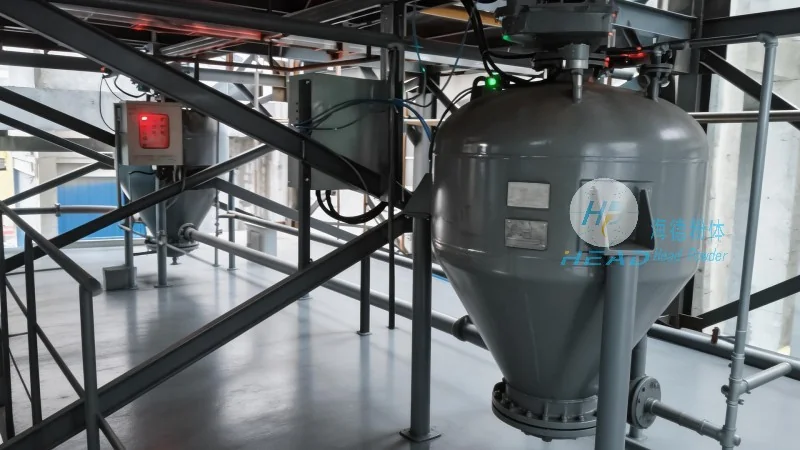
Applications and Considerations in Plaster Powder Conveying
Plaster powder pneumatic conveying is widely used in various applications within the construction and manufacturing sectors. In construction, these systems are employed to transport plaster from storage silos to mixing stations or directly to job sites for wall and ceiling finishing. In manufacturing, they are used in the production of plaster-based products, such as drywall, where the powder needs to be moved between processing stages without contamination. When designing a system for plaster powder, several considerations must be taken into account. The particle size distribution of the plaster is a key factor, as finer particles require higher air velocities and more efficient separation systems to prevent clogging. Moisture content is another critical parameter, as excess moisture can cause clumping or blockages in the system. The system must also be designed to handle variations in powder flow rates, ensuring that it can accommodate changes in production demand without compromising performance. Regular maintenance and cleaning of the system components are essential to prevent the buildup of powder residue, which can affect the system's efficiency over time.
Conclusion: Optimizing Plaster Powder Handling with Pneumatic Conveying
Plaster powder pneumatic conveying is a sophisticated and effective method for transporting fine building materials, offering significant advantages in terms of safety, efficiency, and process control. By understanding and applying the design principles outlined above, manufacturers and construction companies can optimize their material handling processes, reduce operational costs, and enhance overall productivity. The technology, when properly implemented and maintained, provides a reliable solution for the challenges associated with handling plaster powder, ensuring that it remains a key component in modern construction and manufacturing operations. As the demand for efficient and safe material handling continues to grow, pneumatic conveying systems will remain a vital tool in the industry, supporting the delivery of high-quality plaster products and construction projects.