

Main Pneumatic Conveying Structures for Arsenic Trioxide (As₂O₃)
Shandong HeadPowder Engineering Co., Ltd., commonly known as HeadPowder, is a leading manufacturer and supplier specializing in industrial material handling solutions. With a focus on safety and efficiency, the company provides advanced pneumatic conveying systems tailored for handling hazardous materials like arsenic trioxide. HeadPowder is headquartered in Shandong, China, and has established a strong reputation for delivering reliable and high-performance equipment in the chemical processing industry.
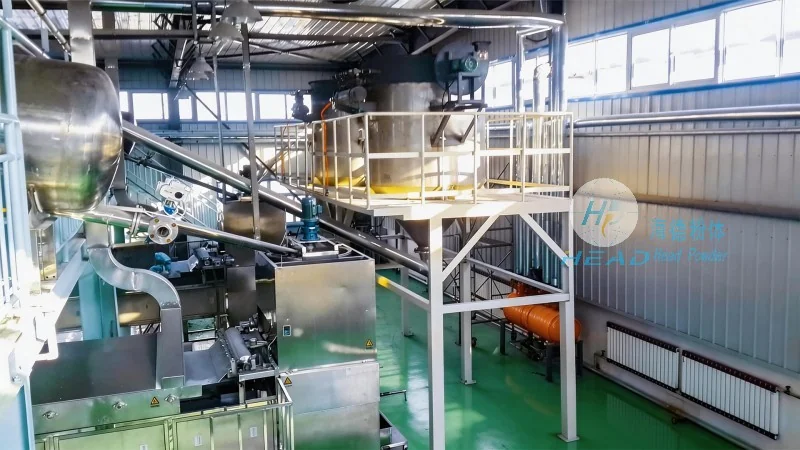
Overview of Pneumatic Conveying Systems for Arsenic Trioxide
Pneumatic conveying, or air-based material transport, is a critical technology for safely and effectively moving arsenic trioxide, a toxic and hazardous substance. Unlike traditional mechanical conveying methods, pneumatic systems use compressed air to transport the material through a pipeline network. This approach minimizes direct human contact with the material, reducing exposure risks and improving operational safety. The main goal of arsenic trioxide pneumatic conveying structures is to ensure the material is transported from storage to processing units without contamination or loss, while maintaining compliance with safety regulations.
Key Components in Arsenic Trioxide Pneumatic Conveying Systems
The effectiveness of an arsenic trioxide pneumatic conveying system relies on several key components that work in tandem to ensure smooth operation. The primary components include the material feed hopper, which holds the arsenic trioxide and controls the flow rate; the air compressor, which generates the necessary pressure to move the material; the conveying pipeline, which transports the material from the feed point to the discharge point; and the dust collector or filter system, which captures any airborne particles to prevent environmental contamination and maintain air quality. Each component is designed with safety and material compatibility in mind, as arsenic trioxide is a corrosive and toxic substance that requires specialized materials and engineering.
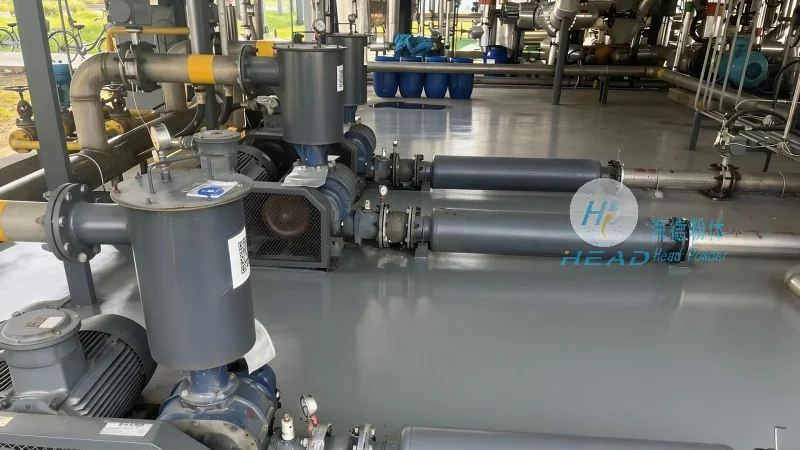
Types of Pneumatic Conveying Structures
There are two main types of pneumatic conveying systems used for arsenic trioxide: positive pressure systems and negative pressure systems. Positive pressure systems use compressed air to push the material through the pipeline, while negative pressure systems use suction to draw the material. Positive pressure systems are generally preferred for arsenic trioxide due to their ability to handle high material loads and their lower risk of material leakage. These systems typically include a blower or air compressor at the discharge end, which forces air and material through the pipeline. The pipeline is sealed and equipped with check valves to prevent backflow and maintain the pressure differential necessary for material transport.
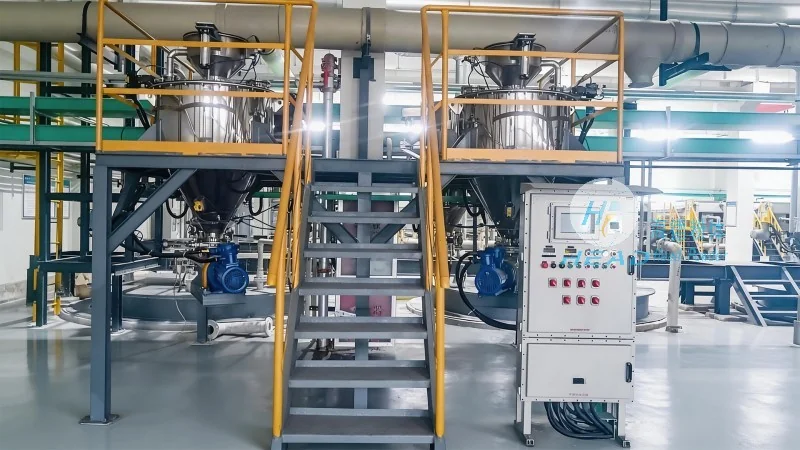
Advantages of Using Pneumatic Conveying for Arsenic Trioxide
Implementing pneumatic conveying structures for arsenic trioxide offers several significant advantages over traditional methods. One of the most notable benefits is enhanced safety. By eliminating the need for manual handling and direct contact with the material, the risk of exposure to arsenic trioxide is drastically reduced. This is crucial for protecting workers and maintaining a safe working environment. Additionally, pneumatic systems provide better control over material flow, allowing for precise dosing and dosing rates, which is essential for accurate chemical processing. The closed system design also prevents dust and fumes from escaping into the workplace, improving air quality and reducing the risk of respiratory issues. Furthermore, pneumatic conveying systems are more efficient in terms of energy use compared to mechanical systems, as they can transport materials over longer distances with less energy consumption. This efficiency translates to lower operational costs and reduced environmental impact.
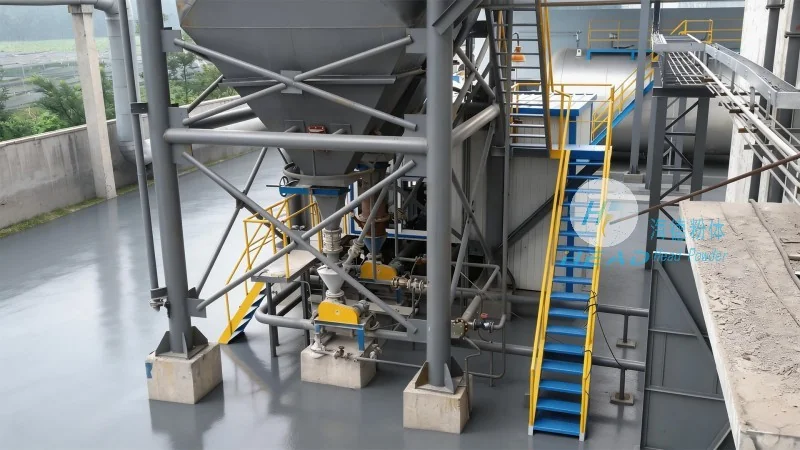
Customization and Compliance with Safety Standards
HeadPowder offers customized pneumatic conveying solutions tailored to the specific needs of clients handling arsenic trioxide. The company works closely with clients to understand their operational requirements, including material flow rates, distance of transport, and safety regulations. Customization may involve adjusting the size of the feed hopper, modifying the pipeline diameter, or integrating additional safety features such as explosion-proof components or emergency shut-off valves. All systems are designed to comply with international safety standards, including those related to hazardous material handling and environmental protection. HeadPowder ensures that its equipment meets or exceeds regulatory requirements, providing clients with peace of mind and ensuring operational compliance.
Conclusion
Pneumatic conveying structures are essential for the safe and efficient handling of arsenic trioxide. By leveraging advanced engineering and specialized components, these systems provide a reliable solution for transporting hazardous materials while minimizing risks. Shandong HeadPowder Engineering Co., Ltd. specializes in designing and manufacturing high-quality pneumatic conveying systems that meet the stringent requirements of the chemical industry. With a focus on safety, efficiency, and customization, HeadPowder is a trusted partner for companies seeking to improve their arsenic trioxide handling processes. The company's commitment to quality and compliance ensures that clients receive systems that not only perform effectively but also adhere to the highest safety standards.