

The Role of Pneumatic Conveying in Ferric Sulfate Transportation
Pneumatic conveying technology is a critical solution for the efficient and safe transportation of ferric sulfate, a vital chemical used in water treatment, industrial processes, and various other applications. Unlike traditional mechanical conveying methods, pneumatic systems utilize air to move bulk materials through a sealed pipeline, offering distinct advantages in terms of flexibility, cost-effectiveness, and operational safety. This article explores the specific role of pneumatic conveying in ferric sulfate transportation, detailing its benefits and the technical considerations essential for successful implementation.
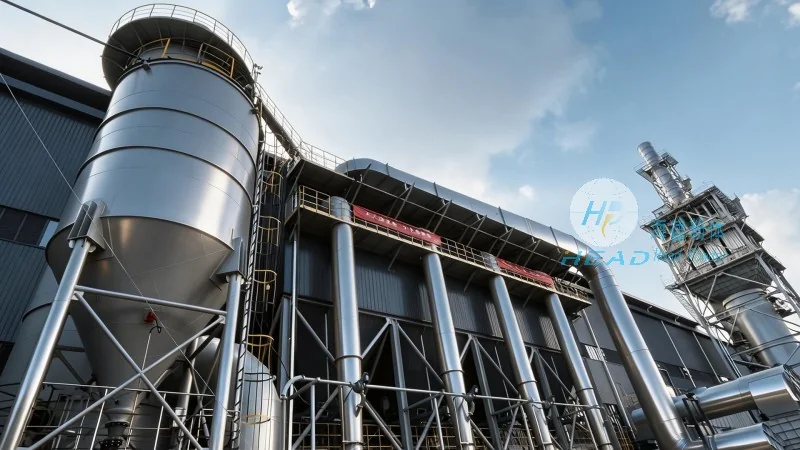
Key Advantages of Pneumatic Conveying for Ferric Sulfate
When transporting ferric sulfate, pneumatic conveying systems provide several key advantages that enhance overall operational performance. Firstly, these systems offer high flexibility, allowing for the movement of materials over long distances and through complex layouts without requiring extensive infrastructure modifications. This flexibility is particularly valuable in industrial settings where space is limited or where process layouts may change over time. Secondly, pneumatic conveying reduces the risk of material contamination and exposure to environmental factors, as the material is contained within a sealed system. This is especially important for ferric sulfate, which can be sensitive to moisture or other contaminants that may affect its quality and effectiveness in downstream applications. Additionally, modern pneumatic conveying systems are designed for energy efficiency, leading to lower operational costs compared to traditional mechanical methods. This cost-effectiveness, combined with reduced maintenance needs due to fewer moving parts, makes pneumatic conveying an attractive solution for large-scale ferric sulfate transportation.
Technical Aspects of Pneumatic Conveying Systems
Implementing an effective pneumatic conveying system for ferric sulfate requires careful consideration of several technical factors. The choice between dilute phase and dense phase conveying is a primary decision, as each method is suited to different conditions. Dilute phase systems use lower air velocities and are ideal for shorter distances or less abrasive materials, while dense phase systems employ higher air velocities and are better suited for longer distances or more abrasive materials like ferric sulfate. The selection of appropriate air velocity and pressure is critical to ensure efficient material transport without causing excessive wear on system components. Another crucial factor is the design of the system, including the type of ductwork, valves, and filters. Properly designed ductwork minimizes pressure losses and ensures smooth material flow, while high-quality valves and filters prevent blockages and maintain system efficiency. The material of construction is also vital, as ferric sulfate can be corrosive or abrasive, necessitating components made from durable materials such as stainless steel or specialized alloys to ensure long-term system performance and reliability.
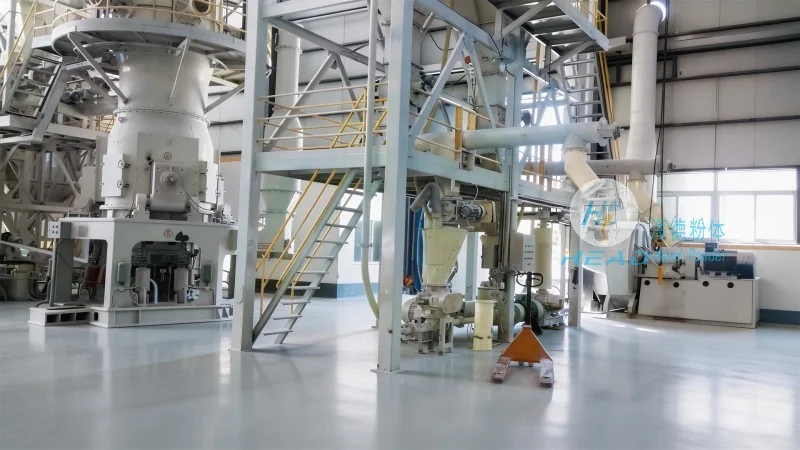
Real-World Applications and Case Studies
Real-world applications of pneumatic conveying for ferric sulfate demonstrate the technology's effectiveness in various industrial settings. For instance, in water treatment plants, ferric sulfate is used as a coagulant to remove impurities from water. Pneumatic conveying systems are employed to transport the ferric sulfate from storage tanks to the treatment reactors, ensuring a consistent and controlled supply of the chemical. In industrial manufacturing, ferric sulfate may serve as a catalyst or additive in chemical processes, and pneumatic conveying allows for precise delivery of the material to the production line. Case studies from industries using pneumatic conveying systems for ferric sulfate have shown improved operational efficiency, reduced downtime, and lower maintenance costs compared to traditional mechanical systems. These success stories underscore the reliability and effectiveness of pneumatic conveying as a solution for ferric sulfate transportation, highlighting its role in enhancing process performance and productivity.
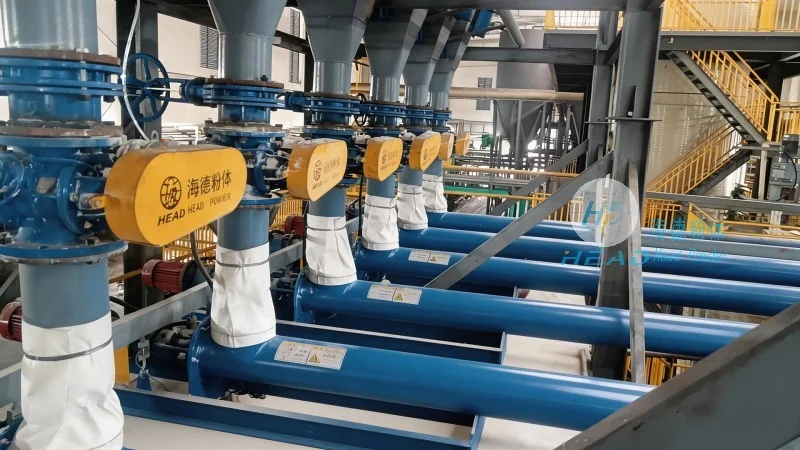
Company Profile: Shandong HeadPowder Engineering Co., Ltd.
Shandong HeadPowder Engineering Co., Ltd., commonly known as HeadPowder, is a leading provider of pneumatic conveying solutions and related engineering services. With a strong focus on innovation and customer-centric approaches, HeadPowder specializes in designing and manufacturing customized pneumatic conveying systems tailored to the specific needs of clients. The company's expertise in material handling and process engineering enables it to deliver high-quality solutions for a wide range of applications, including the transportation of ferric sulfate. HeadPowder's team of experienced engineers and technicians work closely with clients to understand their operational requirements and develop tailored solutions that meet both their technical and budgetary constraints. The company's commitment to quality, reliability, and sustainability has established it as a trusted partner in the industry, with clients relying on its expertise to optimize their material handling processes and enhance overall productivity. HeadPowder's headquarters are located in Shandong, China, where the company operates from its facilities to serve clients globally.
Conclusion
In conclusion, pneumatic conveying plays a vital and indispensable role in the efficient and safe transportation of ferric sulfate. By leveraging the unique advantages of pneumatic systems—such as flexibility, reduced contamination risk, and energy efficiency—industries can significantly improve their material handling processes and overall operational performance. Companies like Shandong HeadPowder Engineering Co., Ltd. continue to advance the technology and provide cutting-edge solutions that meet the evolving demands of the industry. As the demand for efficient ferric sulfate transportation grows, pneumatic conveying remains a reliable and effective solution, ensuring that this critical chemical is delivered safely and efficiently to where it is needed most.