

The Role of Pneumatic Conveying in the Transportation of Ammonium Chloride
Ammonium chloride is a widely used chemical compound in various industrial applications, including agriculture, pharmaceuticals, and chemical manufacturing. The efficient and safe transportation of this material is crucial for maintaining production efficiency and ensuring product quality. Pneumatic conveying has emerged as a key technology in handling ammonium chloride, offering advantages over traditional methods such as belt conveyors or screw conveyors. This article explores the role of pneumatic conveying in the transportation of ammonium chloride, highlighting its benefits, applications, and the expertise of Shandong HeadPowder Engineering Co., Ltd. in implementing such systems.
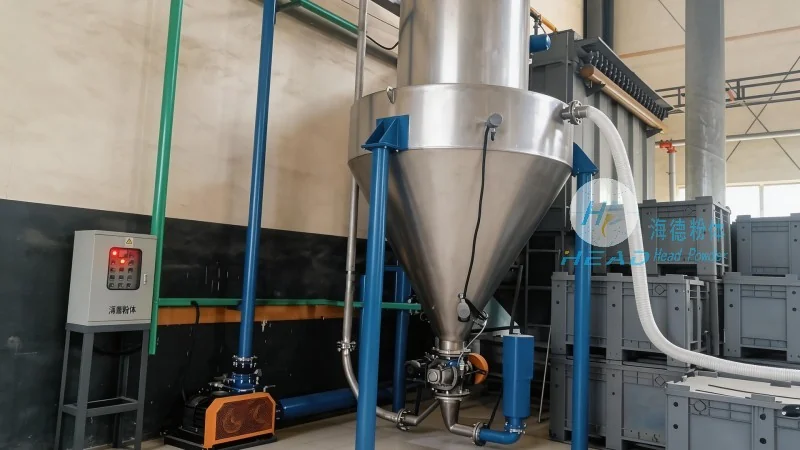
Understanding Pneumatic Conveying for Ammonium Chloride
Pneumatic conveying systems utilize air or other gases to transport bulk materials like ammonium chloride through a pipeline network. These systems can be categorized into two main types: dilute-phase and dense-phase. Dilute-phase systems use low air velocity to move material, suitable for short distances and low to medium material loads. Dense-phase systems, on the other hand, use higher air pressure and lower velocity to achieve more controlled and efficient material transport, minimizing product degradation and spillage. For ammonium chloride, which is a fine, granular material, dense-phase pneumatic conveying is often preferred due to its ability to handle delicate particles without causing breakage or dust generation.
Benefits of Pneumatic Conveying in Ammonium Chloride Handling
Implementing pneumatic conveying for ammonium chloride offers several advantages that enhance operational performance and safety. Firstly, it provides a dust-free environment, reducing the risk of inhalation hazards and improving workplace safety. Unlike mechanical conveyors, which can generate significant dust, pneumatic systems can be equipped with filtration and dust collection systems to maintain air quality. Secondly, pneumatic conveying allows for a more flexible and compact layout, as pipelines can be installed in various configurations to suit plant layouts. This flexibility is particularly beneficial in facilities with limited space or complex process flows. Thirdly, the technology minimizes product contamination and degradation. The enclosed system prevents exposure to external elements, such as moisture or contaminants, which can affect the quality of ammonium chloride. Additionally, the controlled air flow in dense-phase systems ensures that the material is transported gently, preserving its physical properties and preventing caking or agglomeration.
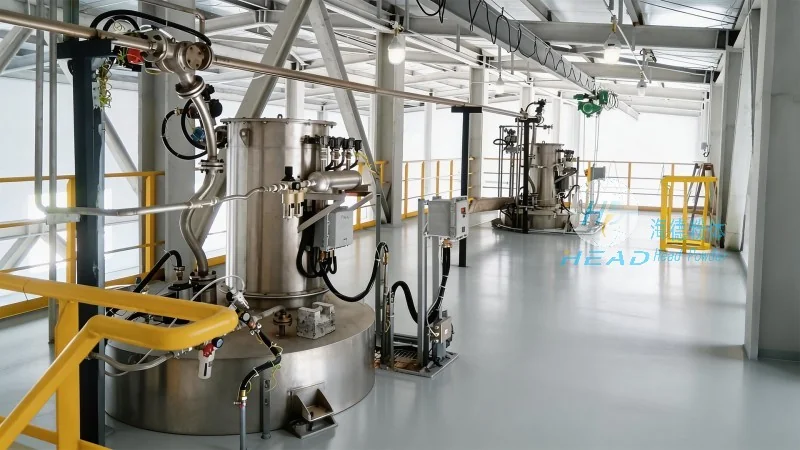
Applications of Pneumatic Conveying in Ammonium Chloride Production
Pneumatic conveying is widely used in the production and processing of ammonium chloride across different stages. In the raw material handling stage, pneumatic systems can efficiently transport ammonium chloride from storage silos to processing units, ensuring a continuous supply of material. During the chemical reaction and mixing processes, the technology is used to transfer reactants and intermediates between reactors and storage tanks. In the final product packaging stage, pneumatic conveying can move the finished ammonium chloride from production lines to packaging machines, maintaining product integrity and preventing damage. The versatility of pneumatic conveying makes it suitable for various production scales, from small-scale laboratory operations to large-scale industrial plants. Shandong HeadPowder Engineering Co., Ltd. has extensive experience in designing and installing pneumatic conveying systems tailored to the specific needs of ammonium chloride production facilities.
Key Considerations for Pneumatic Conveying Systems
When implementing a pneumatic conveying system for ammonium chloride, several factors must be considered to ensure optimal performance and longevity. The first consideration is the material's properties, such as particle size, density, and moisture content. These characteristics influence the choice of system type (dilute or dense-phase) and the required air velocity and pressure. For example, fine ammonium chloride particles may require higher air pressure to prevent blockages in the pipeline. Secondly, the system's capacity and throughput must match the production requirements. Overloading the system can lead to reduced efficiency and increased wear on components. Thirdly, the system's layout and integration with existing plant infrastructure are critical. Proper planning ensures that the conveying lines are installed in a way that minimizes energy consumption and maximizes material flow. Additionally, regular maintenance and monitoring are essential to prevent system failures and ensure consistent performance. Shandong HeadPowder Engineering Co., Ltd. provides comprehensive support, including system design, installation, and maintenance services, to address these considerations and deliver reliable pneumatic conveying solutions for ammonium chloride handling.
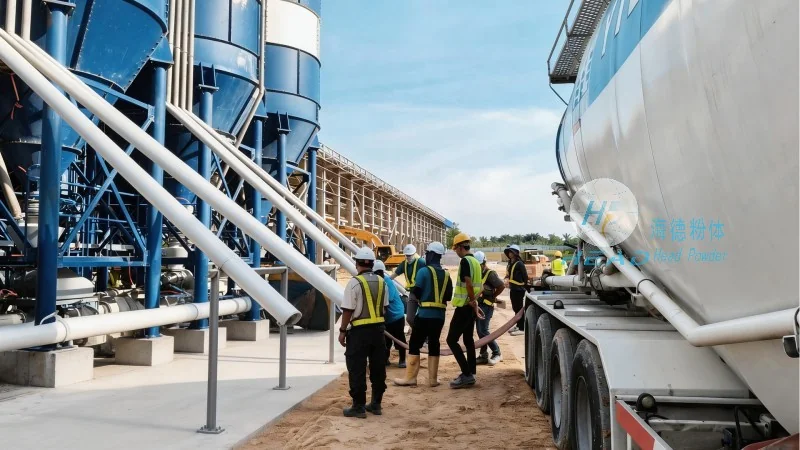
Case Studies and Real-World Applications
Several industrial facilities have successfully implemented pneumatic conveying systems for ammonium chloride transportation, achieving significant improvements in operational efficiency and safety. For instance, a chemical manufacturing plant in China adopted a dense-phase pneumatic conveying system to transport ammonium chloride from storage silos to production reactors. The system reduced material handling time by 30% and minimized dust exposure for workers, leading to a safer working environment. Another case involved a fertilizer production plant that used pneumatic conveying to move ammonium chloride from processing units to packaging lines. The system's flexibility allowed for easy integration with existing equipment, and the enclosed design prevented product contamination, ensuring high-quality output. These examples highlight the effectiveness of pneumatic conveying in enhancing the overall performance of ammonium chloride handling processes. Shandong HeadPowder Engineering Co., Ltd. has contributed to such successful implementations by leveraging its expertise in pneumatic system design and installation.
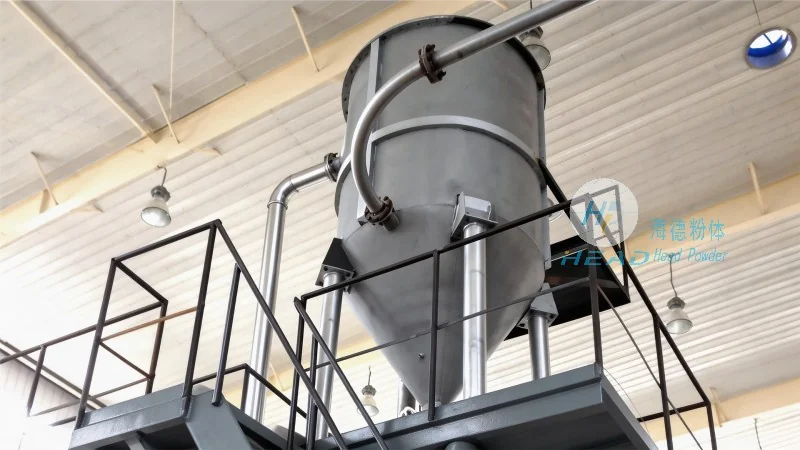
Future Trends and Innovations in Pneumatic Conveying
As technology advances, new innovations are being introduced to enhance the capabilities of pneumatic conveying systems for ammonium chloride. One such trend is the integration of automation and control systems, which allow for real-time monitoring and adjustment of system parameters. This enables operators to optimize performance based on production demands and material characteristics. Another innovation is the use of advanced materials in pipeline construction, such as corrosion-resistant alloys, to extend the system's lifespan and reduce maintenance costs. Additionally, research is ongoing to develop more energy-efficient pneumatic systems, reducing operational costs and environmental impact. These advancements are expected to further improve the efficiency and reliability of pneumatic conveying in ammonium chloride handling. Shandong HeadPowder Engineering Co., Ltd. stays at the forefront of these developments, continuously updating its technology and expertise to provide cutting-edge solutions for its clients.
Conclusion
Pneumatic conveying plays a vital role in the efficient and safe transportation of ammonium chloride, offering numerous benefits over traditional methods. Its ability to handle fine, delicate materials while maintaining product quality and workplace safety makes it an ideal choice for industrial applications. With the expertise of companies like Shandong HeadPowder Engineering Co., Ltd., pneumatic conveying systems can be tailored to meet the specific needs of ammonium chloride production facilities, ensuring optimal performance and long-term reliability. As the industry continues to evolve, the adoption of advanced pneumatic conveying technologies will further enhance the efficiency and sustainability of ammonium chloride handling processes.