

Pneumatic Conveying in Desulfurization Fly Ash Transport: Its Role and Importance
Desulfurization fly ash, a byproduct of flue gas desulfurization processes in power plants and industrial facilities, requires efficient and reliable transport methods to ensure proper disposal or utilization. Traditional methods like belt conveyors or truck transport often face challenges such as dust emission, material degradation, and operational inefficiencies. Pneumatic conveying emerges as a superior solution, offering a dust-free, continuous, and flexible system for handling this fine, abrasive material. This article explores how pneumatic conveying technology, particularly as implemented by Shandong HeadPowder Engineering Co., Ltd., addresses the unique challenges of desulfurization fly ash transport.
Key Challenges in Desulfurization Fly Ash Handling
Desulfurization fly ash is characterized by its fine particle size, high moisture content, and abrasive nature, which can cause significant wear on conventional conveyor systems. Traditional belt conveyors may suffer from material buildup, increased maintenance costs, and environmental pollution due to dust emissions. Truck transport, while common, is often limited by logistics constraints, traffic, and the need for additional storage facilities. These challenges highlight the need for a more robust and efficient transport solution that can handle the specific properties of desulfurization fly ash without compromising safety or environmental standards.
Pneumatic Conveying: A Superior Solution for Fly Ash Transport
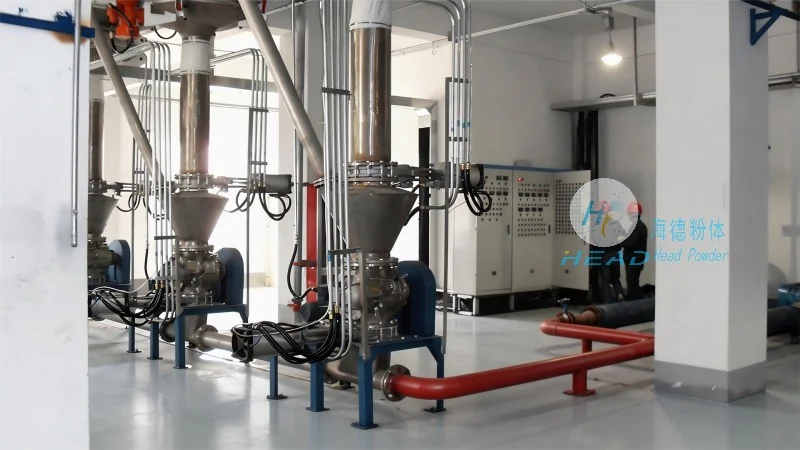
Pneumatic conveying uses air pressure to transport bulk materials through a pipeline system, eliminating the need for mechanical components like belts or buckets that are prone to wear and tear in abrasive environments. This technology is particularly well-suited for desulfurization fly ash due to its ability to handle fine particles, maintain a dust-free environment, and provide continuous, automated operation. The system typically consists of a hopper, a conveyor line, and a discharge point, with air being supplied by a blower or compressor to move the material through the pipeline. By using air as the transport medium, pneumatic conveying reduces dust emissions, minimizes material degradation, and improves overall operational efficiency.
HeadPowder Engineering's Pneumatic Conveying Solutions
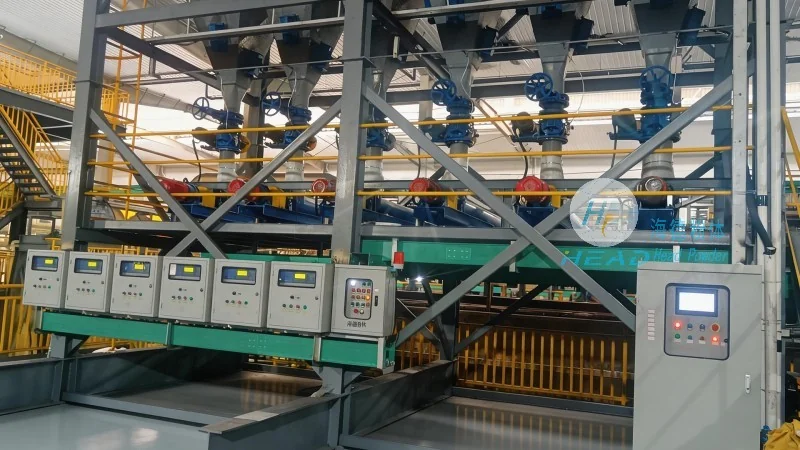
Shandong HeadPowder Engineering Co., Ltd., a leading provider of bulk material handling solutions, specializes in designing and manufacturing pneumatic conveying systems tailored to the needs of desulfurization fly ash transport. The company's expertise lies in understanding the unique properties of fly ash and developing customized systems that ensure optimal performance. HeadPowder's solutions include a range of pneumatic conveyor types, such as dilute-phase and dense-phase systems, which can be configured to handle different ash characteristics and transport distances. The company's systems are engineered to minimize wear and tear, reduce maintenance requirements, and ensure compliance with environmental regulations. By leveraging advanced materials and engineering, HeadPowder provides reliable and efficient transport solutions that meet the demands of modern power plants and industrial facilities.
Benefits of Pneumatic Conveying for Desulfurization Fly Ash
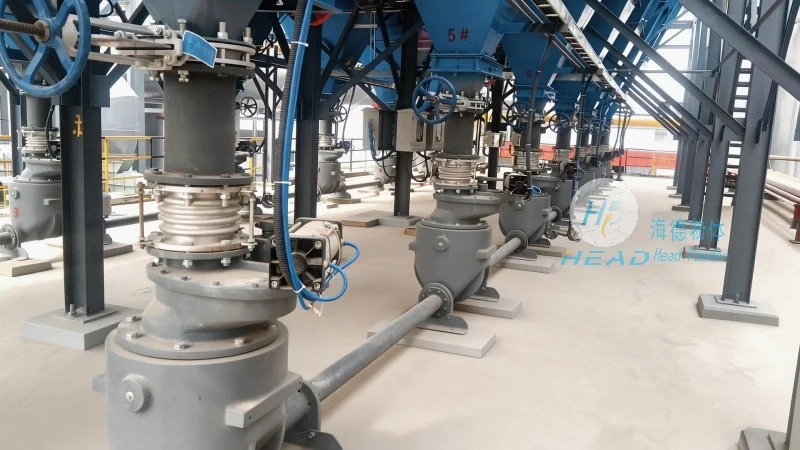
The adoption of pneumatic conveying for desulfurization fly ash transport offers numerous benefits that enhance operational efficiency and environmental sustainability. First, the dust-free operation significantly reduces air pollution and improves workplace safety. This is crucial in industrial settings where dust exposure can lead to health risks and regulatory non-compliance. Second, the continuous and automated nature of pneumatic conveying minimizes downtime and labor costs, as the system can operate 24/7 without the need for manual intervention. Third, the system's ability to handle fine particles ensures that the ash is transported without degradation, preserving its quality for potential reuse in construction materials or other applications. Additionally, the flexibility of pneumatic conveying allows for easy integration with existing plant infrastructure, reducing installation and operational costs.
Conclusion: The Future of Desulfurization Fly Ash Transport
As the demand for efficient and sustainable waste management increases, pneumatic conveying technology plays an increasingly important role in the transport of desulfurization fly ash. Shandong HeadPowder Engineering Co., Ltd. continues to lead the way in providing advanced pneumatic conveying solutions that address the unique challenges of fly ash handling. By combining innovative engineering with a deep understanding of material properties, HeadPowder ensures that its systems deliver reliable, efficient, and environmentally friendly transport solutions. The future of desulfurization fly ash transport lies in the continued development and adoption of pneumatic conveying technology, which will help power plants and industrial facilities meet their environmental and operational goals while optimizing resource utilization.