

Airborne Conveying in the Bulk Transport of Quartz Sand Particles
Quartz sand, a key raw material in various industries including glass manufacturing, ceramics, and foundries, requires efficient and reliable bulk material handling solutions. Airborne conveying, or pneumatic conveying, has emerged as a sophisticated method for transporting quartz sand particles over long distances with minimal environmental impact and operational complexity. This article explores the application of airborne conveying systems in the bulk transport of quartz sand, highlighting the technical advantages, operational considerations, and practical implementation strategies.
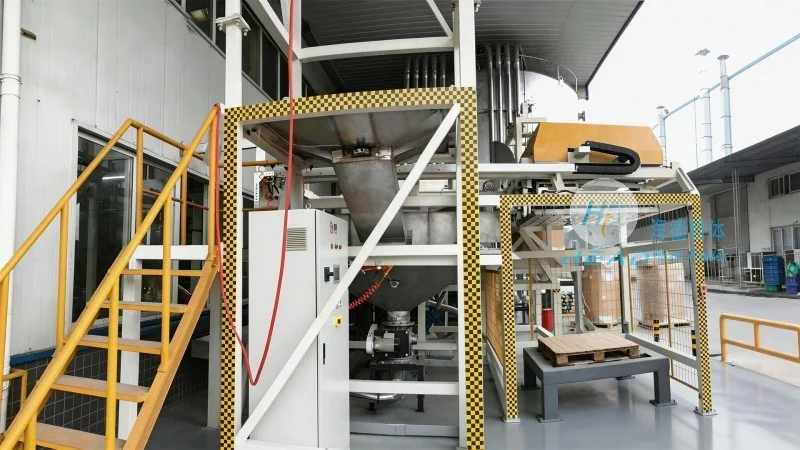
Introduction to Airborne Conveying for Quartz Sand
Quartz sand, characterized by its high purity and durability, is essential for applications that demand consistent particle size and quality. Traditional bulk transport methods, such as belt conveyors or bucket elevators, often face challenges like material degradation, dust generation, and limited flexibility in handling abrasive or fine particles. Airborne conveying addresses these limitations by utilizing a pressurized or vacuum system to move particles through a pipeline using air or gas as the conveying medium. This technology offers a hygienic, dust-free, and energy-efficient solution for transporting quartz sand, making it particularly suitable for industries where product contamination and environmental compliance are critical.
Technical Advantages of Airborne Conveying Systems
One of the primary advantages of airborne conveying in quartz sand transport is its ability to handle fine and abrasive particles without causing wear or degradation. The system’s design, which typically includes a feed hopper, a rotary airlock, and a pipeline with appropriate bends and fittings, ensures smooth material flow and reduces the risk of blockages or clogging. Additionally, airborne conveying systems can operate at high speeds, allowing for rapid transport of large volumes of quartz sand over considerable distances—often up to several kilometers—while maintaining consistent particle size distribution. The enclosed pipeline also minimizes dust emissions, enhancing workplace safety and environmental protection, which is crucial for compliance with industrial regulations.

Operational Considerations for Quartz Sand Airborne Conveying
Implementing an airborne conveying system for quartz sand involves several operational considerations to ensure optimal performance and longevity. First, the selection of the conveying type—whether positive pressure (blowing air into the pipeline) or negative pressure (sucking air out of the pipeline)—depends on the specific application and distance requirements. Positive pressure systems are generally more suitable for long-distance transport, as they can maintain consistent air pressure and prevent material degradation, while negative pressure systems are often used for shorter distances or when handling lighter materials. Second, the air-to-solids ratio (the ratio of air volume to material volume) must be carefully optimized. An appropriate ratio ensures efficient transport without excessive energy consumption or excessive air velocity that could damage the particles. Third, the pipeline design, including the diameter, length, and number of bends, significantly impacts system efficiency. Larger diameter pipelines reduce pressure drop and energy consumption, but may require more space and higher initial investment. Properly sized bends and fittings are also critical to maintain material flow and prevent wear on the pipeline walls.
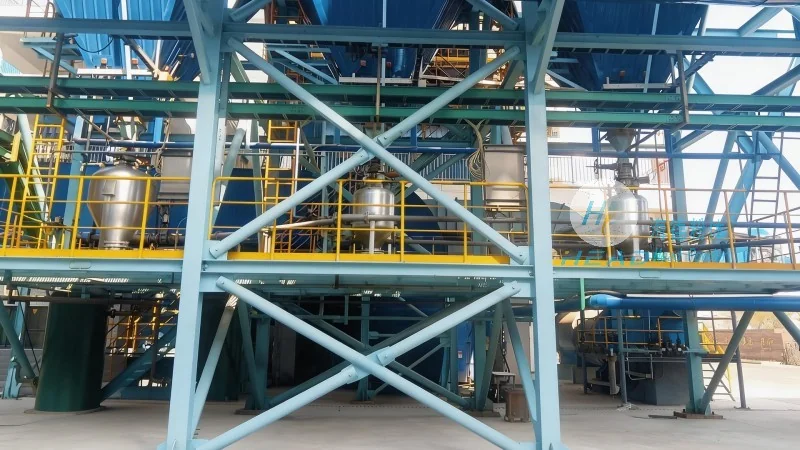
HeadPowder Engineering: Expertise in Quartz Sand Conveying Solutions
Shandong HeadPowder Engineering Co., Ltd., a leading provider of bulk material handling solutions, specializes in designing and manufacturing customized airborne conveying systems tailored to the unique needs of quartz sand applications. With years of experience in the industry, HeadPowder has developed a deep understanding of the technical challenges associated with transporting abrasive and fine particles, enabling them to deliver reliable and efficient solutions. The company’s expertise includes the design of feed systems, airlock mechanisms, and pipeline networks that are optimized for quartz sand’s physical properties, such as its density, particle size, and moisture content. HeadPowder’s team of engineers works closely with clients to assess their specific requirements, from material flow rates and transport distances to environmental and safety regulations, to develop a comprehensive solution that meets all operational and compliance standards.
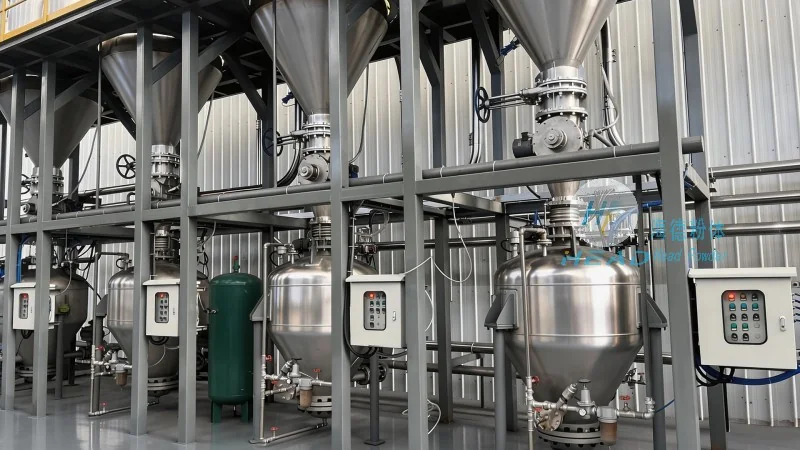
Customization and Integration for Optimal Performance
HeadPowder Engineering offers comprehensive customization options to ensure that the airborne conveying system is perfectly matched to the client’s quartz sand handling requirements. This includes the selection of appropriate materials for the pipeline and components, such as stainless steel or special alloys, to resist corrosion and wear from the abrasive quartz sand particles. The company also provides integration services to connect the conveying system with existing production lines, ensuring seamless operation and minimal disruption to the client’s workflow. Additionally, HeadPowder offers maintenance and support services to ensure the long-term reliability and efficiency of the system, including regular inspections, component replacement, and technical assistance to address any operational issues that may arise.
Conclusion: The Future of Quartz Sand Transport with Airborne Conveying
As industries continue to demand higher efficiency and environmental standards in bulk material handling, airborne conveying has become an increasingly popular solution for transporting quartz sand. The technical advantages, operational flexibility, and environmental benefits of this technology make it a viable choice for companies seeking to optimize their production processes. With its expertise in designing and implementing customized airborne conveying systems, Shandong HeadPowder Engineering Co., Ltd. is well-positioned to support clients in achieving their material handling goals. By leveraging the company’s experience and innovative solutions, businesses can enhance their operational efficiency, reduce costs, and ensure compliance with industry regulations, ultimately contributing to their long-term success in the quartz sand industry.