

Design of Negative Pressure Pneumatic Conveying Equipment for Pearl Salt Granules
Shandong HeadPowder Engineering Co., Ltd. specializes in the design and manufacturing of advanced material handling solutions, including negative pressure pneumatic conveying systems tailored for industries such as food processing and chemical manufacturing. This article focuses on the design of a specialized negative pressure pneumatic conveying equipment for pearl salt granules, highlighting key engineering considerations, operational advantages, and practical applications.
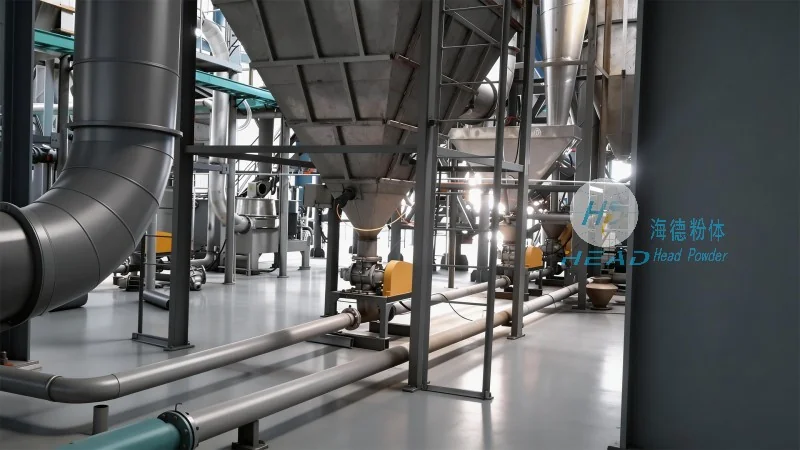
Overview of Negative Pressure Pneumatic Conveying Technology
Negative pressure pneumatic conveying, also known as vacuum conveying, is a method used to transport bulk materials like granules, powders, and small particles through a pipeline system using a vacuum source. Unlike positive pressure systems that force air and material through the line, negative pressure systems draw material into the pipeline by creating a vacuum at the receiving end. This approach offers several benefits, including lower energy consumption, reduced material degradation, and enhanced safety in handling sensitive products like pearl salt. The design of the system must consider factors such as material properties, flow rates, and system layout to ensure efficient and reliable operation.
Key Design Considerations for Pearl Salt Granules
When designing a negative pressure pneumatic conveying system for pearl salt granules, several critical factors must be addressed to optimize performance and durability. First, the material's physical characteristics, including particle size, density, and moisture content, influence the selection of equipment components. Pearl salt granules typically have a uniform particle size and moderate density, making them suitable for vacuum conveying but requiring careful consideration of flow resistance and potential blockage. The system design must incorporate features like inlet hoppers, rotary valves, and filter units to handle these characteristics effectively. Additionally, the choice of materials for construction—such as stainless steel for corrosion resistance and wear-resistant components for high-abrasion applications—ensures long-term reliability and compliance with industry standards.
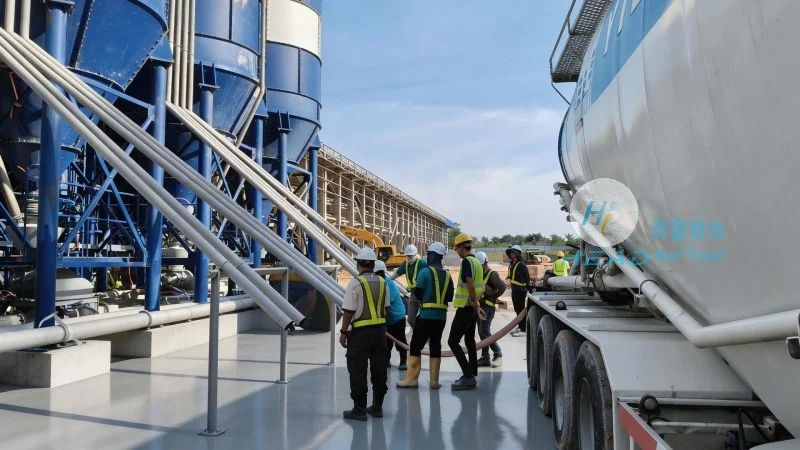
System Components and Operational Flow
The negative pressure pneumatic conveying equipment for pearl salt granules consists of several interconnected components working in sequence to achieve efficient material transport. The process begins with the material being loaded into a hopper equipped with a rotary valve, which controls the flow of granules into the conveying line. The vacuum pump creates a negative pressure in the system, drawing the pearl salt granules through the pipeline to the receiving container. Key components include the vacuum pump, filter unit, and pressure relief valves, all of which are designed to maintain system integrity and prevent contamination. The system is engineered to handle flow rates ranging from low to moderate, making it suitable for both small-scale and medium-scale production environments. Operational efficiency is enhanced by the use of adjustable speed controls and monitoring systems that allow for real-time adjustments based on material conditions and system performance.
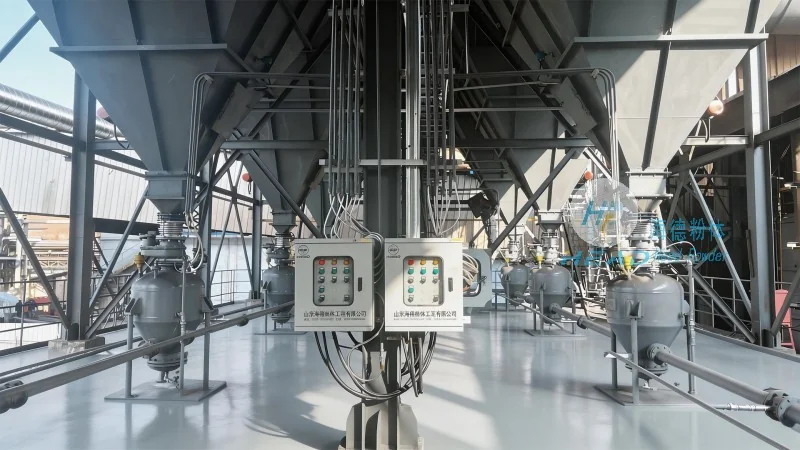
Advantages of the Negative Pressure System for Pearl Salt Handling
Compared to traditional positive pressure or mechanical conveying methods, the negative pressure pneumatic conveying system offers distinct advantages for pearl salt granules. The primary benefit is the reduced risk of material degradation due to lower air velocities and gentler handling. This is particularly important for food-grade products like pearl salt, where maintaining product quality and preventing contamination is paramount. Additionally, the system minimizes dust generation and improves workplace safety by containing material within the pipeline. From an operational standpoint, negative pressure systems are more energy-efficient, as they require less power to maintain vacuum compared to positive pressure systems. The design also allows for flexible system integration, enabling easy expansion or modification to accommodate changing production needs.
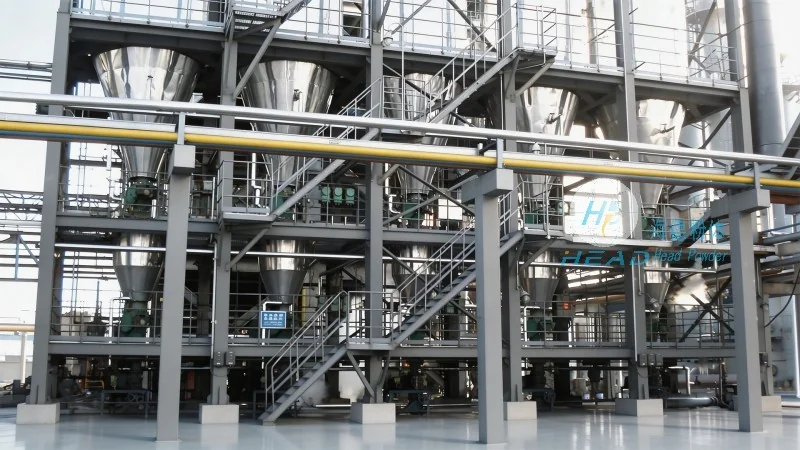
Application and Industry Impact
The negative pressure pneumatic conveying equipment designed by Shandong HeadPowder Engineering Co., Ltd. has been successfully implemented in various industrial settings, including food processing plants, chemical manufacturing facilities, and pharmaceutical production lines. The system's adaptability to handle pearl salt granules makes it a valuable asset for companies seeking to streamline material handling processes while maintaining product integrity. By reducing manual handling and improving process efficiency, the equipment contributes to cost savings and increased productivity in production operations. The company's expertise in engineering and manufacturing ensures that the system meets the specific requirements of each client, providing customized solutions that address unique operational challenges.
Conclusion and Future Developments
In conclusion, the design of a negative pressure pneumatic conveying system for pearl salt granules represents a sophisticated approach to material handling, combining advanced engineering principles with practical application. The system's ability to efficiently transport granular materials while preserving product quality and ensuring operational safety makes it a preferred choice for industries requiring reliable and efficient conveying solutions. As technology advances, future developments may include integration with automation systems and real-time monitoring to further enhance system performance and adaptability. Shandong HeadPowder Engineering Co., Ltd. remains committed to innovation, continuing to develop cutting-edge solutions that meet the evolving needs of the material handling industry.