

Technical Analysis of Algae Powder Pneumatic Conveying Systems: Comparison of Positive Pressure and
Algae powder, a high-value bio-product derived from microalgae cultivation, is widely used in various industries such as food, pharmaceuticals, and cosmetics. The efficient and reliable transportation of this fine powder is crucial for maintaining product quality and operational efficiency. Pneumatic conveying systems have emerged as a preferred solution for handling algal powders due to their ability to transport dry materials without direct contact, minimizing contamination and degradation risks. This article provides a technical analysis of pneumatic conveying systems for algae powder, focusing on the comparison between positive pressure and negative pressure conveying modes, while highlighting the expertise of Shandong HeadPowder Engineering Co., Ltd., a leading provider of pneumatic conveying solutions based in China.
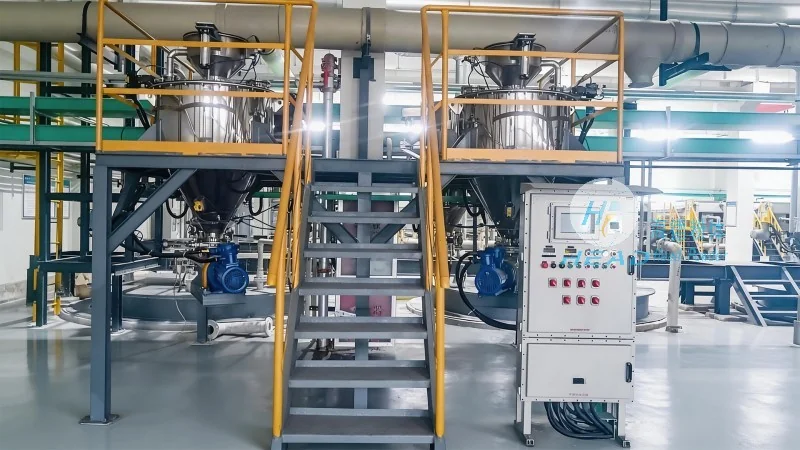
Introduction to Algae Powder Pneumatic Conveying Systems
Algae powder, often with a particle size ranging from 10 to 200 microns, presents unique challenges in material handling due to its fine nature and potential for static electricity. Traditional methods like belt conveyors or bucket elevators may cause material degradation, segregation, or contamination. Pneumatic conveying systems, which use air or gas to transport materials through a pipeline, offer a more controlled and hygienic solution. These systems are particularly suitable for algal powders as they can maintain product integrity while ensuring dust-free and efficient transport. The choice of conveying mode—positive pressure or negative pressure—significantly impacts system performance, energy consumption, and operational safety.
Positive Pressure Conveying Mode: Advantages and Applications
Positive pressure conveying systems operate by blowing air or gas into the conveying line, creating a pressure higher than the ambient air pressure. This method is commonly used for short to medium-distance transport and for handling materials that are prone to clogging or require high velocity. In the context of algae powder, positive pressure systems offer several advantages. First, they provide a consistent flow rate, ensuring that the powder is transported without interruption. Second, the higher pressure helps to overcome resistance in the pipeline, making it suitable for vertical or inclined transport. Third, positive pressure systems are generally easier to maintain and repair, as they do not require complex vacuum equipment. However, they may consume more energy compared to negative pressure systems, especially for long-distance transport.
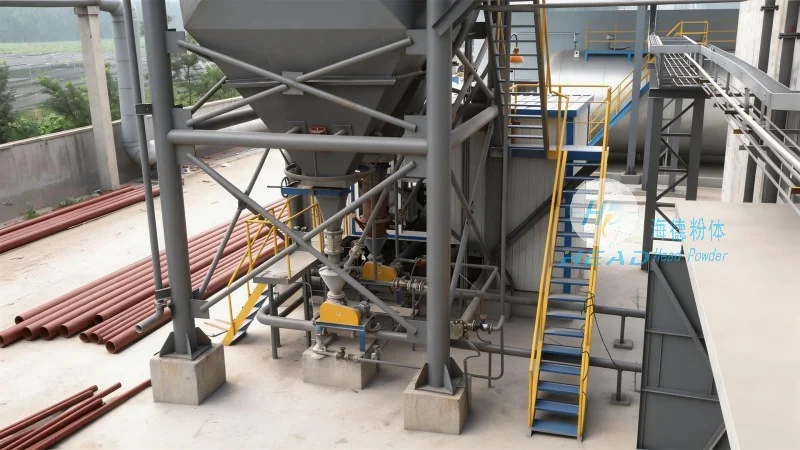
Negative Pressure Conveying Mode: Advantages and Applications
Negative pressure conveying systems, also known as vacuum conveying, operate by creating a vacuum in the conveying line, drawing material from the source into the system. This mode is ideal for long-distance transport and for handling materials that are lightweight or have low bulk density. For algae powder, negative pressure systems offer benefits such as lower energy consumption for long distances and the ability to collect material from multiple sources simultaneously. The vacuum created helps to prevent dust emissions and ensures a clean environment. However, negative pressure systems may be more complex to install and maintain, as they require robust vacuum pumps and filtration systems to handle fine powders. Additionally, they may be less efficient for short-distance transport due to the energy required to maintain the vacuum.
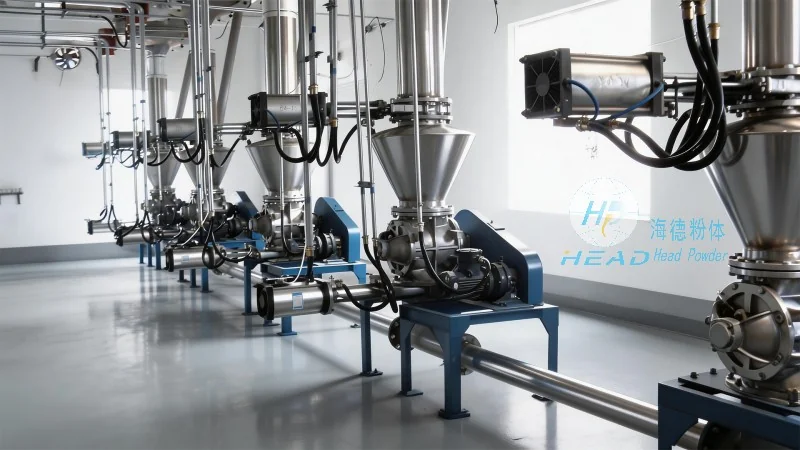
Key Technical Considerations for Algae Powder Pneumatic Conveying
When designing a pneumatic conveying system for algae powder, several technical factors must be considered to ensure optimal performance. Particle size and density are critical parameters, as they affect the flow characteristics and pressure drop in the pipeline. The system must be designed to handle the specific properties of the algae powder, such as its moisture content and potential for static charge. Material compatibility is another important consideration, as the conveying components (e.g., pipes, valves, and filters) must be resistant to the chemical properties of the powder. Filtration systems are essential to prevent clogging and maintain system efficiency, especially in negative pressure systems where fine particles are drawn into the vacuum pump. Additionally, the system must comply with hygiene standards, particularly if the algae powder is intended for food or pharmaceutical applications.
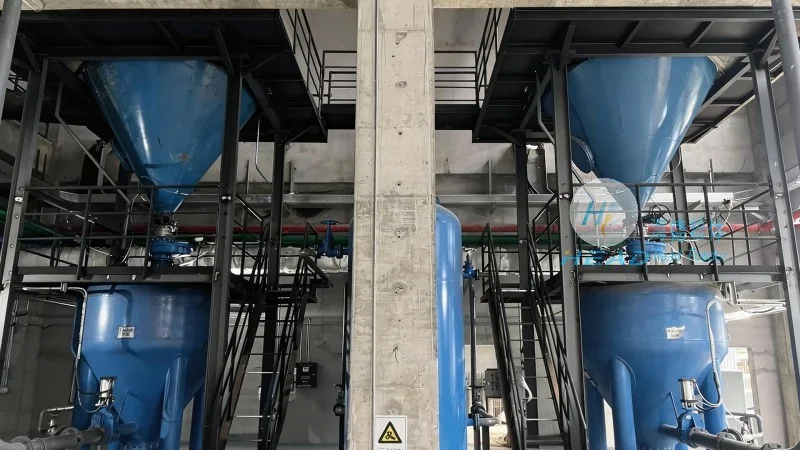
Case Study: HeadPowder's Pneumatic Conveying Solutions for Algae Powder
Shandong HeadPowder Engineering Co., Ltd., a renowned manufacturer of pneumatic conveying systems, has extensive experience in designing and implementing solutions for algal powder transport. The company's expertise lies in customizing systems to meet the specific requirements of clients, whether they opt for positive or negative pressure modes. For instance, a client in the food industry required a positive pressure system to transport algae powder from a storage silo to a processing line over a distance of 50 meters. HeadPowder designed a system with a high-pressure blower, stainless steel pipelines, and a rotary valve to ensure efficient and hygienic transport. The system successfully maintained the powder's quality, with minimal degradation and no contamination. Another client, in the cosmetics industry, opted for a negative pressure system to collect algae powder from multiple production lines and transport it to a central storage facility over a distance of 200 meters. HeadPowder's solution included a large-capacity vacuum pump, high-efficiency filters, and a flexible hose system, which ensured reliable and energy-efficient transport. These case studies demonstrate the effectiveness of HeadPowder's pneumatic conveying systems in handling algae powder, regardless of the chosen conveying mode.
Conclusion: Choosing the Right Conveying Mode for Algae Powder
The selection between positive pressure and negative pressure pneumatic conveying modes for algae powder depends on several factors, including the distance of transport, material properties, and operational requirements. Positive pressure systems are generally more suitable for short to medium distances and for materials that require high velocity or consistent flow. Negative pressure systems are ideal for long-distance transport and for handling lightweight or low-density materials. Both modes have their advantages and limitations, and the choice should be based on a thorough analysis of the specific application. Shandong HeadPowder Engineering Co., Ltd. provides comprehensive technical support and customized solutions to help clients choose the most appropriate conveying mode for their algae powder handling needs. With their expertise in pneumatic conveying technology, HeadPowder ensures that clients achieve efficient, reliable, and cost-effective transport of algal powders, supporting the growth and success of their businesses.