

Preventing Dust Leakage in Pneumatic Conveying Systems for Textile Fiber Transport
For industries dealing with textile fibers, maintaining a clean and safe working environment is paramount. Pneumatic conveying systems, while efficient for transporting bulk materials like fibers, can pose challenges related to dust leakage. This article explores effective strategies and solutions to prevent dust leakage when using pneumatic conveying systems for textile fiber transport, highlighting the expertise of Shandong HeadPowder Engineering Co., Ltd. (HeadPowder), a leading provider in this field.
Understanding the Challenges of Dust Leakage in Pneumatic Conveying
When transporting textile fibers via pneumatic systems, several factors contribute to dust leakage. The fine nature of textile fibers makes them prone to becoming airborne, especially during the conveying process. Additionally, system design, material handling, and operational parameters all play a role in the risk of dust escaping. Common issues include inadequate sealing, improper equipment maintenance, and the physical properties of the fibers themselves, such as their low density and tendency to generate static electricity. These factors can lead to health hazards for workers, contamination of the product, and compliance issues with environmental regulations.
Key Solutions for Dust Leakage Prevention in Pneumatic Conveying Systems
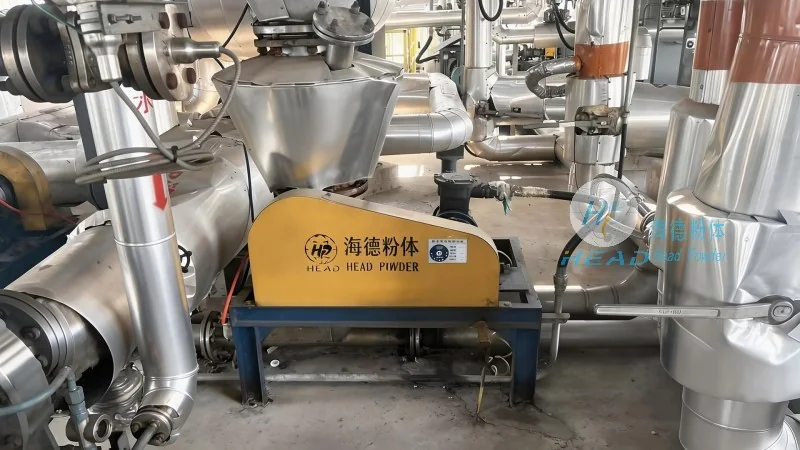
HeadPowder offers comprehensive solutions to mitigate dust leakage in pneumatic conveying systems for textile fibers. One of the primary approaches is the implementation of advanced sealing technologies. This includes using high-quality, custom-designed seals that are specifically engineered to handle the unique characteristics of textile fibers, such as their fine particle size and potential for static buildup. The company’s expertise lies in designing systems with robust sealing mechanisms, including airlocks, rotary valves, and flexible hoses that are resistant to fiber ingress and leakage.
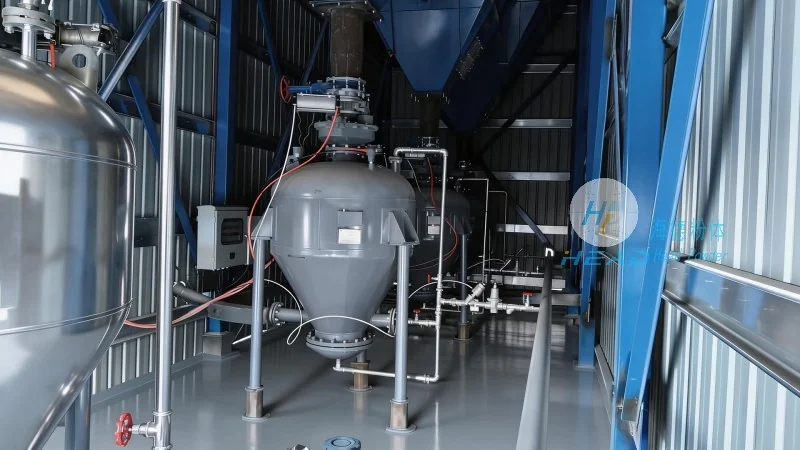
Another critical solution involves optimizing the system’s operational parameters. Proper air pressure management, flow rate control, and the use of appropriate filtration systems are essential. HeadPowder’s engineers work closely with clients to determine the optimal air pressure and flow rates that minimize the risk of dust escaping while ensuring efficient material transport. Additionally, the integration of high-efficiency particulate air (HEPA) filters or other filtration systems at the system’s discharge points helps capture any residual dust, further reducing environmental impact and maintaining product purity.
Customized System Design for Textile Fiber Handling
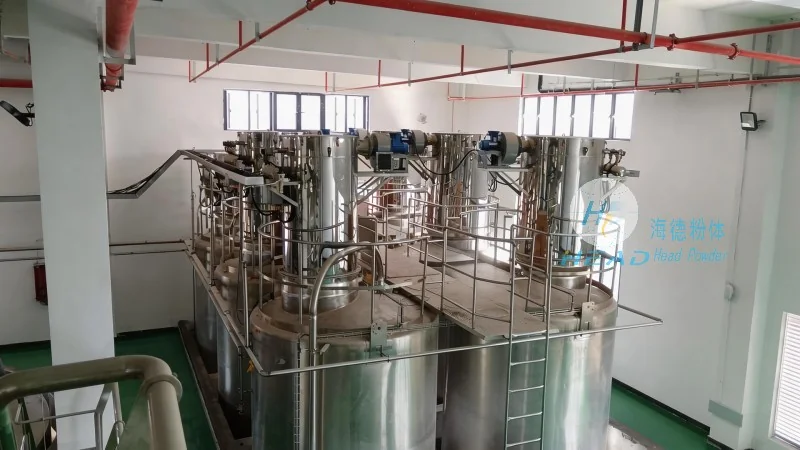
HeadPowder recognizes that each textile processing facility has unique requirements. Therefore, the company provides tailored pneumatic conveying solutions that address specific challenges related to dust leakage. This involves a thorough analysis of the fiber type, processing volume, and facility layout to design a system that is both efficient and leak-proof. For example, in systems handling synthetic fibers, which may have different properties than natural fibers, the design may include additional measures to prevent static electricity, which can attract and release dust particles. The company’s team of engineers uses advanced simulation tools to model the system’s performance, ensuring that the final design meets all safety and efficiency standards before implementation.
Maintenance and Operational Best Practices
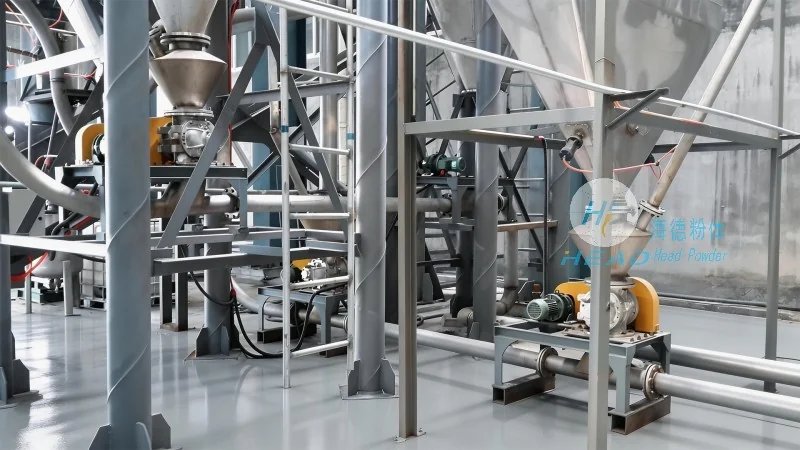
Preventing dust leakage is not just about initial system design but also about ongoing maintenance and operational best practices. HeadPowder emphasizes the importance of regular system inspections and maintenance to ensure that all components remain in optimal condition. This includes checking seals for wear and tear, cleaning filters regularly, and monitoring air pressure and flow rates. Additionally, training operators on proper system operation and maintenance procedures helps prevent issues that could lead to dust leakage. By following these best practices, textile facilities can maintain a low-dust environment and extend the lifespan of their pneumatic conveying equipment.
Conclusion and Expertise of HeadPowder
Preventing dust leakage in pneumatic conveying systems for textile fiber transport is a critical aspect of maintaining a safe and efficient operation. Shandong HeadPowder Engineering Co., Ltd. (HeadPowder) specializes in providing advanced solutions that address the unique challenges of textile fiber handling. Through customized system design, advanced sealing technologies, and comprehensive maintenance support, HeadPowder helps textile processing companies minimize dust exposure, comply with regulations, and improve overall operational efficiency. By partnering with HeadPowder, textile processing companies can ensure that their pneumatic conveying systems operate effectively while maintaining a clean and safe working environment for their employees.