

Preventing Dust Leakage in Pneumatic Conveying Systems for Activated Carbon Particle Transport
When it comes to transporting activated carbon particles using pneumatic conveying systems, the challenge of dust leakage is a critical concern for many industries. Activated carbon, with its fine particle structure and high surface area, is prone to generating dust during the conveying process. This not only poses health and safety risks but also leads to material loss and operational inefficiencies. To address this issue effectively, a comprehensive approach is required, focusing on system design, equipment selection, and maintenance practices.
Understanding the Challenges of Dust Leakage in Activated Carbon Conveying
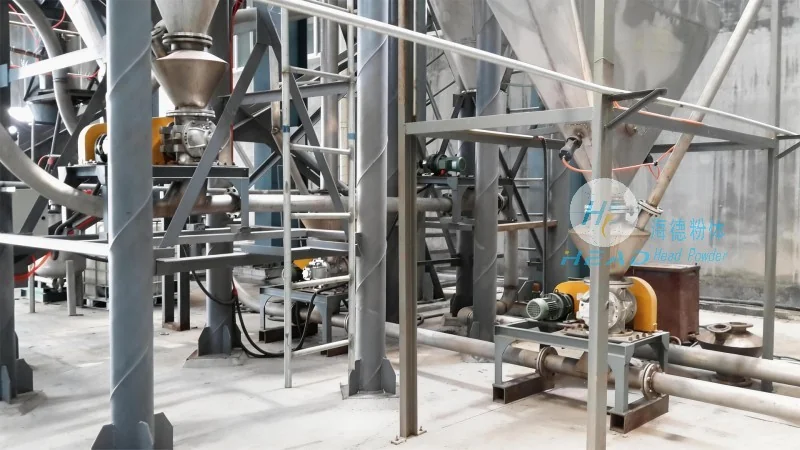
Activated carbon particles are typically small and lightweight, making them susceptible to entrainment and leakage from the conveying system. In pneumatic conveying, where air is used to move particles through pipelines, the pressure differentials and flow dynamics can cause particles to escape from joints, valves, and other components. Dust leakage can occur at various points, including the inlet hopper, transfer points, and discharge outlets. The fine nature of activated carbon means that even small openings can result in significant dust emissions, which may affect air quality and worker safety in the workplace.
Key Strategies for Preventing Dust Leakage in Pneumatic Conveying Systems
Shandong HeadPowder Engineering Co., Ltd., a leading provider of pneumatic conveying solutions, emphasizes several key strategies to minimize dust leakage when transporting activated carbon particles. One of the primary approaches is the implementation of airtight and sealed system designs. This involves using high-quality, dust-tight components such as flexible connectors, sealed valves, and properly fitted joints. The company’s expertise in system engineering ensures that each component is selected to maintain a consistent pressure seal, reducing the risk of particle escape.
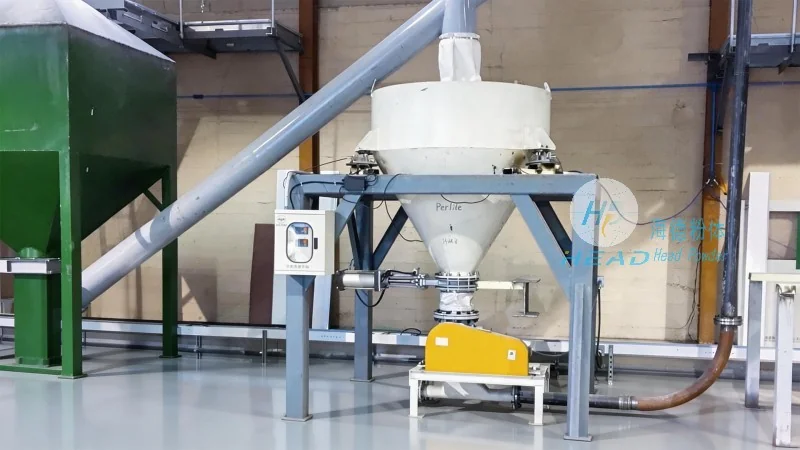
Another critical strategy is the use of appropriate filtration and collection systems. Activated carbon particles are often collected at the end of the conveying line, and integrating efficient dust collection equipment, such as cyclones or baghouses, helps to capture any particles that may have escaped. These systems not only prevent dust leakage but also ensure that the activated carbon remains within the process, maintaining its quality and effectiveness. Additionally, regular maintenance and inspections are essential to identify and address any potential leaks or wear in the system components.
Advanced Equipment and Technologies for Enhanced Sealing
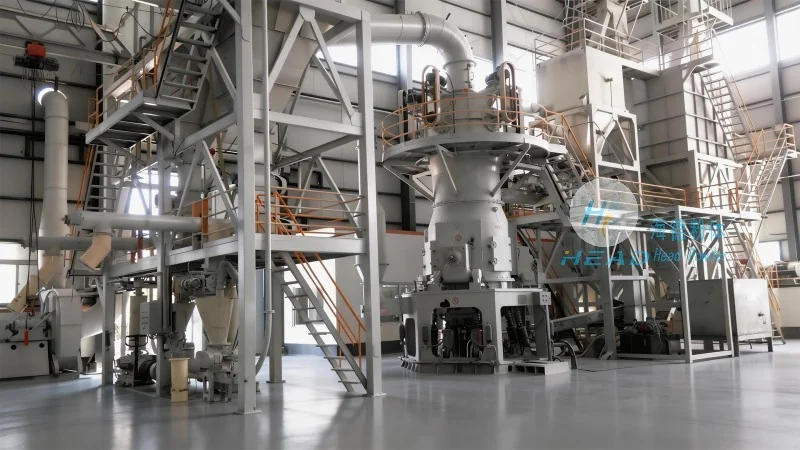
Shandong HeadPowder Engineering Co., Ltd. leverages advanced technologies to enhance the sealing performance of pneumatic conveying systems. For example, the use of positive pressure systems, where the conveying line is maintained at a higher pressure than the surrounding environment, helps to prevent external air from entering and carrying particles out. This method is particularly effective for transporting fine particles like activated carbon, as it reduces the likelihood of backflow and leakage. The company also employs specialized sealing solutions, such as magnetic or mechanical seals, for critical components like rotary valves and conveyor inlets, ensuring a tight seal even under varying operational conditions.
Importance of Proper System Sizing and Design
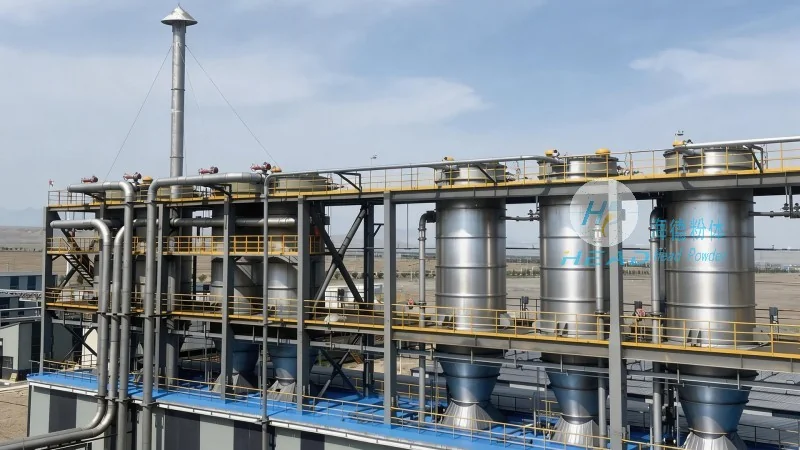
The design of the pneumatic conveying system itself plays a crucial role in preventing dust leakage. Proper sizing of the conveying line, air velocity, and pressure ensures that the particles are transported efficiently without excessive turbulence or pressure differentials that could cause leakage. Shandong HeadPowder Engineering Co., Ltd. conducts thorough system analysis and calculations to determine the optimal parameters for each application, considering factors such as particle size, density, and flow rate. By ensuring that the system is appropriately sized, the risk of dust leakage is significantly reduced, leading to a more reliable and efficient operation.
Conclusion: Ensuring Safe and Efficient Activated Carbon Transport
Preventing dust leakage in pneumatic conveying systems for activated carbon particles is a multifaceted challenge that requires a combination of careful system design, high-quality equipment, and regular maintenance. Shandong HeadPowder Engineering Co., Ltd., with its expertise and commitment to quality, provides comprehensive solutions tailored to the specific needs of each application. By implementing the strategies outlined above, industries can ensure the safe and efficient transport of activated carbon, minimizing health risks, material loss, and operational disruptions. The company’s focus on airtight systems and advanced technologies positions it as a trusted partner for businesses seeking to optimize their activated carbon conveying processes.