

Preventing Dust Leakage in Pneumatic Conveying Systems for Calcium Phosphate
When it comes to handling calcium phosphate in industrial settings, the efficiency and safety of material transport are paramount. Pneumatic conveying systems offer a solution for moving bulk materials like calcium phosphate, but they often face challenges related to dust leakage. This article explores effective strategies and best practices implemented by Shandong HeadPowder Engineering Co., Ltd. to prevent dust leakage during the pneumatic transport of calcium phosphate, ensuring both operational efficiency and environmental compliance.
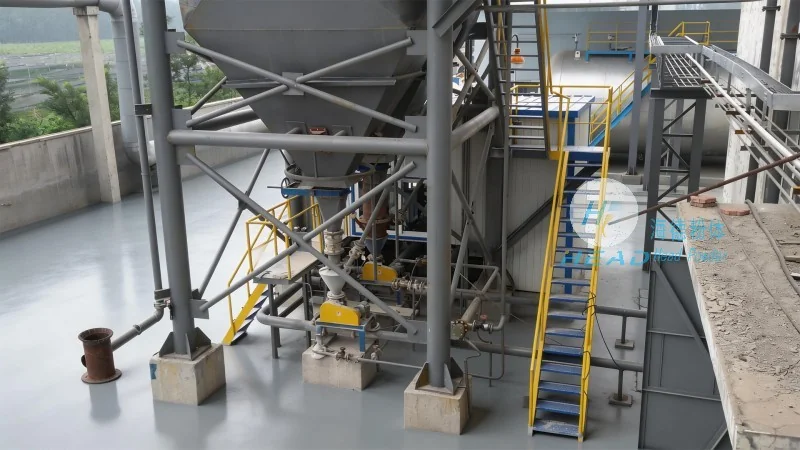
Understanding the Challenges of Calcium Phosphate Handling
Calcium phosphate, a common industrial material used in various applications such as fertilizers, food additives, and pharmaceuticals, presents unique challenges during transport. Its fine particle size and hygroscopic nature can lead to increased dust generation and potential leakage if not properly managed. Pneumatic conveying systems rely on air pressure to move materials, but the interaction between the material and system components can cause dust to escape, leading to safety hazards, environmental contamination, and operational inefficiencies. Shandong HeadPowder Engineering Co., Ltd. recognizes these challenges and has developed specialized solutions to mitigate dust leakage while maintaining the integrity of the transport process.
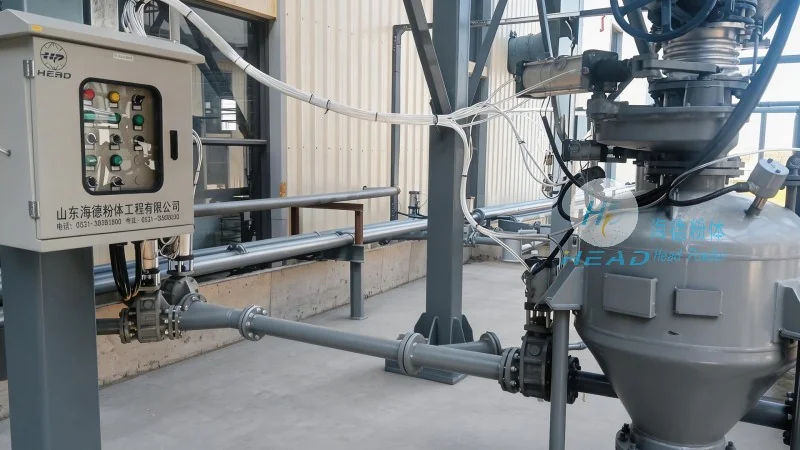
Key Design Considerations for Dust-Free Pneumatic Conveying
At Shandong HeadPowder Engineering Co., Ltd., the design of pneumatic conveying systems for calcium phosphate begins with a thorough analysis of material properties and operational requirements. The company emphasizes the importance of selecting appropriate equipment components that can handle the specific characteristics of calcium phosphate. This includes using high-quality, dust-tight materials for hoppers, feeders, and conveying lines. For instance, the use of stainless steel or specialized plastic components can reduce the risk of material abrasion and wear, which are common sources of dust generation. Additionally, the system design incorporates sealed connections and robust sealing mechanisms to prevent air and material from escaping at joints and transitions.
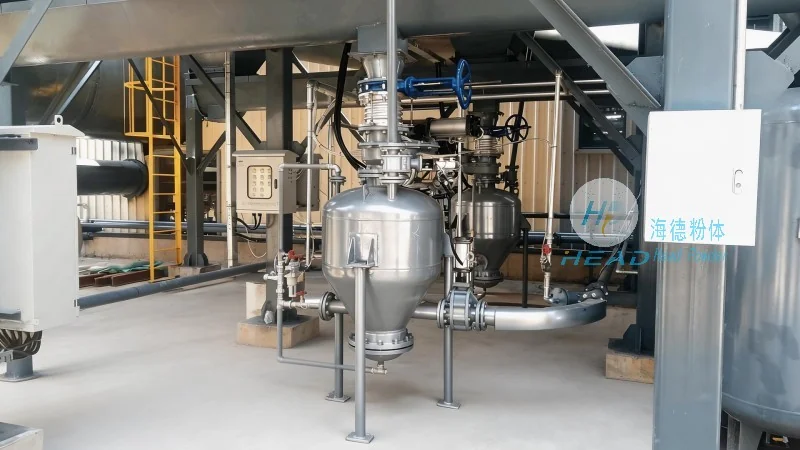
Advanced Sealing and Material Handling Solutions
One of the core strategies employed by HeadPowder to prevent dust leakage is the implementation of advanced sealing technologies. The company utilizes high-performance gaskets and seals that are specifically designed for handling calcium phosphate, ensuring tight closures in hoppers, silos, and transfer points. These seals are engineered to withstand the abrasive nature of the material and maintain their effectiveness over extended periods. Furthermore, the integration of automated feeding systems and controlled air flow management helps regulate the pressure and flow within the system, reducing the likelihood of dust escaping from the conveying lines. By optimizing the air-to-material ratio and maintaining consistent pressure levels, the system operates more efficiently while minimizing dust emissions.
Regular Maintenance and Monitoring for Long-Term Performance
Preventing dust leakage is not a one-time solution but requires ongoing maintenance and monitoring. Shandong HeadPowder Engineering Co., Ltd. advocates for a proactive maintenance approach to ensure the longevity and effectiveness of the pneumatic conveying systems. Regular inspections of seals, connections, and equipment components are conducted to identify and address potential issues before they escalate into significant dust leakage problems. The company also implements monitoring systems that track system performance, such as pressure differentials and material flow rates, providing early warnings of any deviations that could indicate increased dust generation. This proactive strategy helps maintain the system's efficiency and ensures compliance with environmental regulations, protecting both the operational environment and the surrounding community.
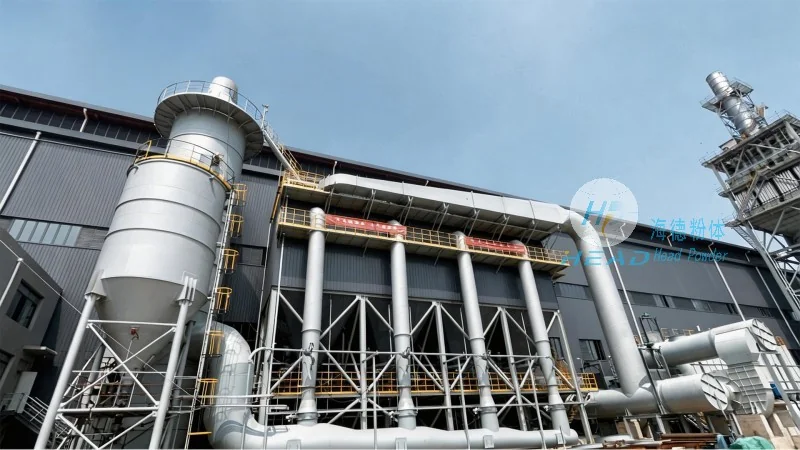
Conclusion: Ensuring Safe and Efficient Transport of Calcium Phosphate
For industrial facilities handling calcium phosphate, the prevention of dust leakage in pneumatic conveying systems is critical to maintaining safety, operational efficiency, and environmental responsibility. Shandong HeadPowder Engineering Co., Ltd. demonstrates expertise in designing and implementing effective solutions that address the unique challenges of calcium phosphate transport. By focusing on advanced sealing technologies, optimized system design, and proactive maintenance, the company ensures that pneumatic conveying systems operate with minimal dust emissions, providing a reliable and sustainable solution for material transport. With their headquarters in Shandong, China, HeadPowder continues to lead in the development of innovative technologies for bulk material handling, supporting industries that rely on calcium phosphate in their production processes.