

Preventing Dust Leakage in Pneumatic Conveying Systems for Graphite Powder Transport
HeadPowder, a leading provider of specialized engineering solutions, focuses on optimizing material handling processes, particularly in the management of graphite powder through pneumatic conveying systems. This article explores effective strategies to prevent dust leakage during the transport of graphite powder, ensuring operational efficiency and safety.
About HeadPowder Engineering Co., Ltd.
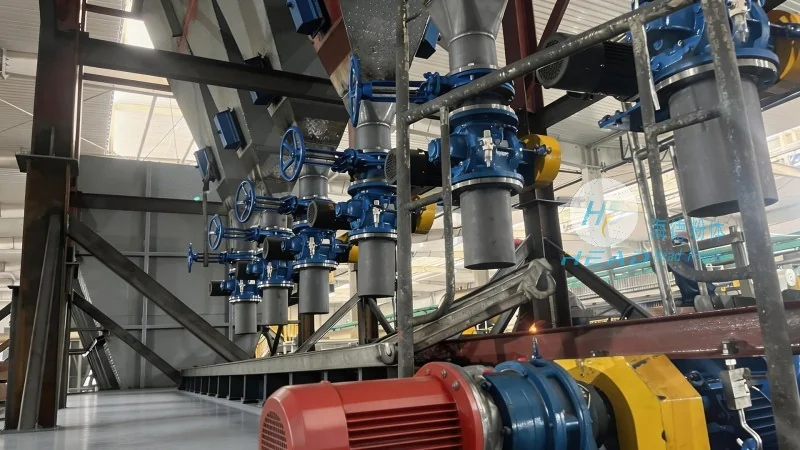
HeadPowder, formally known as Shandong HeadPowder Engineering Co., Ltd., is headquartered in Shandong, China. The company specializes in the design, manufacturing, and implementation of advanced pneumatic conveying systems tailored for various industrial applications, including the handling of fine powders like graphite.
Challenges in Graphite Powder Handling with Pneumatic Conveying
Graphite powder, due to its fine particle size and low bulk density, poses unique challenges when transported via pneumatic systems. The primary concern is dust leakage, which can lead to product loss, environmental contamination, and health hazards for personnel. Traditional systems often struggle with maintaining airtight seals and controlling particle dispersion, necessitating innovative solutions to mitigate these issues.
Key Design Considerations to Prevent Dust Leakage
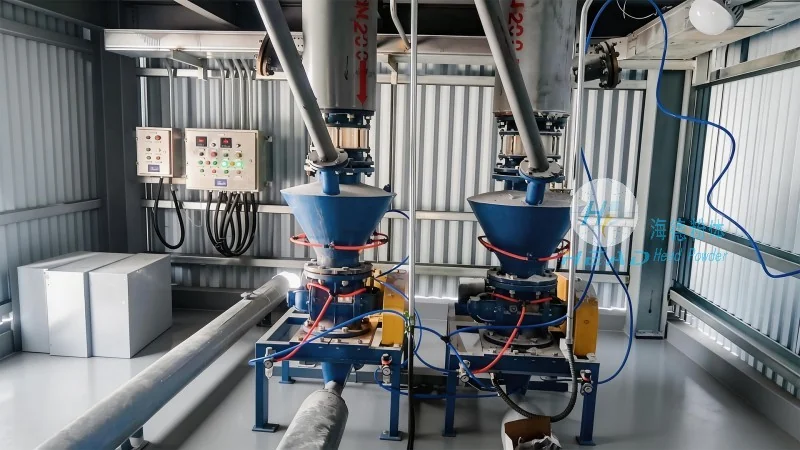
Effective prevention of dust leakage in pneumatic conveying systems for graphite powder involves several critical design and operational strategies. Firstly, the selection of appropriate air velocities is crucial. Maintaining optimal air speeds ensures that particles are fully suspended without causing excessive pressure differentials that could lead to leaks. Secondly, the use of high-quality, airtight components such as seals, valves, and connectors is essential. These components must be designed to withstand the abrasive nature of graphite particles and maintain a consistent seal over time.
Material Selection and System Components
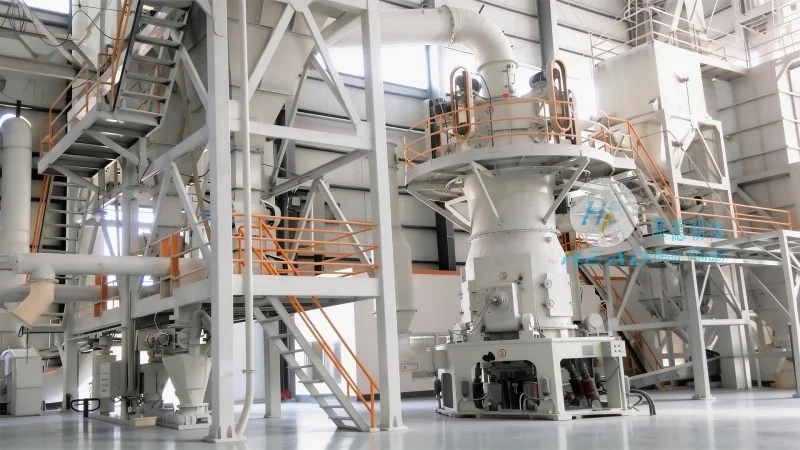
HeadPowder employs advanced materials and engineering practices to enhance system integrity. For instance, the use of stainless steel or specialized alloys in critical parts reduces corrosion and wear, while flexible connectors with reinforced seals prevent micro-leaks. Additionally, the integration of dust collection and filtration systems at strategic points in the conveying line helps capture any escaped particles, further reducing environmental impact and product loss.
Operational Best Practices for Minimizing Leakage
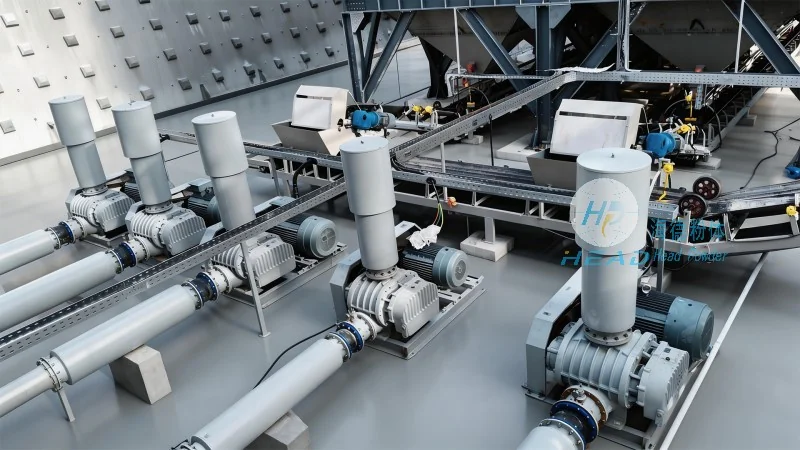
Proper operation and maintenance are equally important in preventing dust leakage. Regular inspection of system components for signs of wear or damage is recommended. This includes checking seals, hoses, and joints for any signs of degradation. Additionally, maintaining consistent air pressure and flow rates, as specified by the system design, helps ensure that the conveying process operates within optimal parameters, minimizing the risk of pressure fluctuations that could cause leaks.
Conclusion and Company Commitment
Preventing dust leakage in pneumatic conveying systems for graphite powder requires a comprehensive approach that combines advanced engineering, quality materials, and diligent operational practices. HeadPowder Engineering Co., Ltd., with its headquarters in Shandong, China, is dedicated to providing customized solutions that address these challenges effectively. By focusing on system design, material selection, and operational excellence, HeadPowder helps industries maintain product integrity, enhance safety, and improve overall operational efficiency in the handling of graphite powder.