

Preventing Dust Leakage in Pneumatic Conveying Systems for Rubber Powder Transport
Pneumatic conveying systems are widely used in the rubber industry for transporting rubber powder due to their efficiency and ability to handle fine powders. However, a common challenge in these systems is the risk of dust leakage, which can lead to operational inefficiencies, health hazards, and environmental concerns. Understanding and implementing effective measures to prevent dust leakage is crucial for maintaining the integrity of the conveying process and ensuring compliance with safety standards.
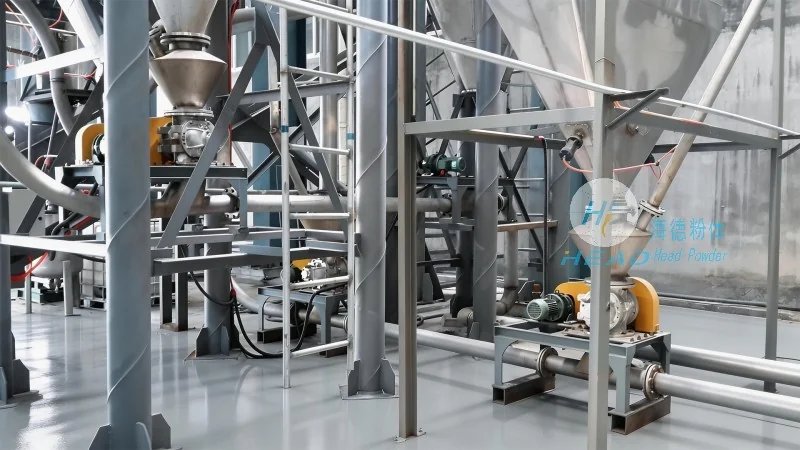
The Challenge of Dust Leakage in Rubber Powder Transport
Rubber powder, with its fine particle size and cohesive properties, tends to generate significant dust during handling and transport. When dust escapes from the system, it can contaminate the surrounding environment, reduce the quality of the final product, and pose respiratory risks to workers. Additionally, dust leakage can lead to increased maintenance costs and downtime, as the system may require frequent cleaning and repairs. Therefore, addressing dust leakage is a critical aspect of optimizing pneumatic conveying systems for rubber powder applications.
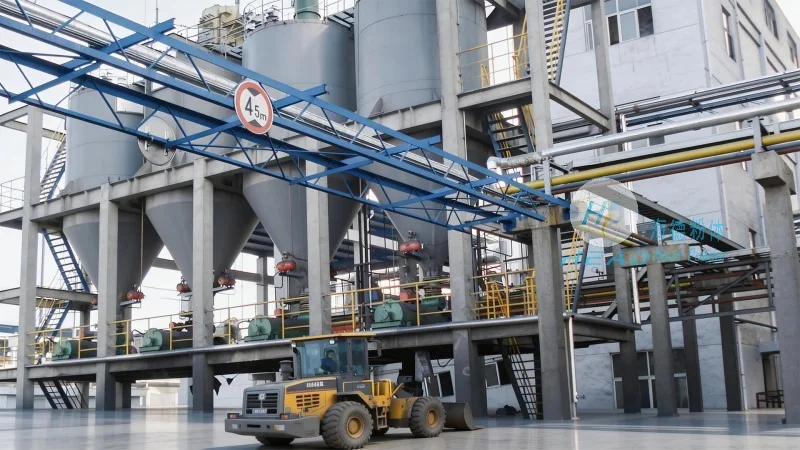
Key Solutions from Shandong HeadPowder Engineering Co., Ltd.
Shandong HeadPowder Engineering Co., Ltd., a leading provider of pneumatic conveying solutions, offers comprehensive strategies to prevent dust leakage in rubber powder transport. The company specializes in designing and manufacturing systems that incorporate advanced sealing technologies and material handling expertise. By leveraging their experience in the industry, HeadPowder provides tailored solutions that address the unique challenges of rubber powder, ensuring reliable and efficient operation.
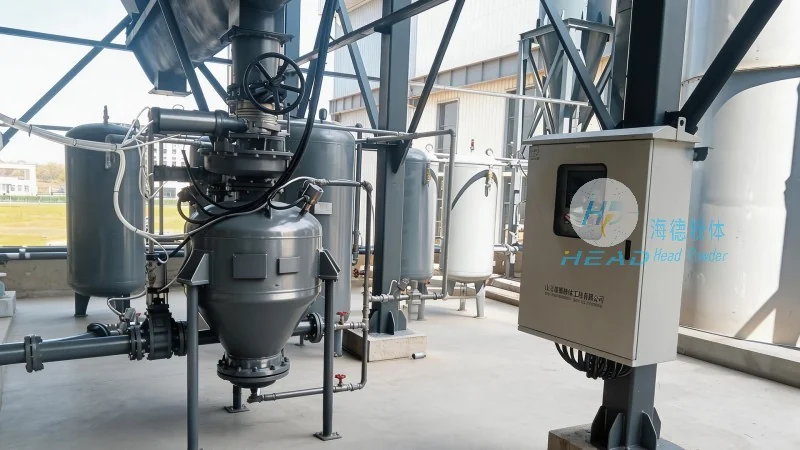
Technical Measures to Minimize Dust Emissions
Several technical measures are employed by HeadPowder to minimize dust leakage. These include the use of high-quality seals and gaskets in the system components, such as hoppers, pipelines, and valves. Additionally, the company recommends the installation of dust collection systems, such as cyclones or bag filters, to capture any escaped particles. Another key measure is the use of proper venting and pressure control mechanisms to maintain stable system conditions and prevent pressure fluctuations that could cause dust to escape. The integration of these measures ensures that the conveying system operates with minimal dust emissions, maintaining product quality and safety.
Case Studies and Practical Applications
HeadPowder has successfully implemented dust prevention solutions in various rubber powder processing facilities across China. For example, in a tire manufacturing plant, the company installed a modified pneumatic conveying system with enhanced sealing and dust collection equipment, resulting in a 90% reduction in dust leakage compared to the previous system. Another case involved a rubber powder storage facility where HeadPowder designed a closed-loop system with integrated dust suppression, ensuring that no dust escaped into the environment. These practical applications demonstrate the effectiveness of HeadPowder's solutions in real-world scenarios, providing reliable performance and compliance with environmental regulations.
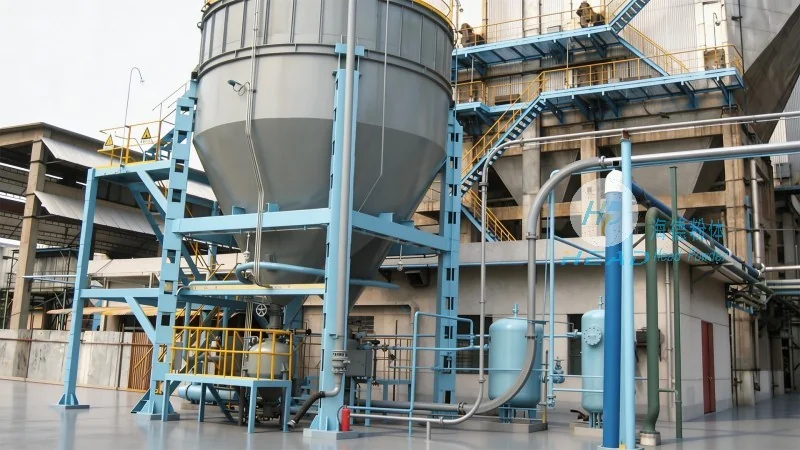
Conclusion and Company Profile
Preventing dust leakage in pneumatic conveying systems for rubber powder is essential for maintaining operational efficiency, product quality, and worker safety. Shandong HeadPowder Engineering Co., Ltd. stands as a trusted partner in providing advanced solutions that address these challenges. With their expertise in pneumatic conveying technology and commitment to quality, HeadPowder continues to deliver effective systems that meet the needs of the rubber industry. Located in Shandong, China, the company serves clients nationwide, offering tailored solutions that enhance the performance and reliability of their conveying processes.