

Preventing Dust Leakage in Pneumatic Conveying Systems for Caustic Slag Transport
Caustic slag, a byproduct of the chemical industry, poses unique challenges during material handling due to its abrasive nature and high dust generation potential. Pneumatic conveying systems have emerged as an effective solution for transporting such materials, but preventing dust leakage is a critical concern to ensure operational safety, environmental compliance, and equipment longevity. This article explores the key strategies and technologies employed by Shandong HeadPowder Engineering Co., Ltd. to mitigate dust leakage when using pneumatic conveying systems for caustic slag transport.
Understanding the Challenges of Caustic Slag Handling
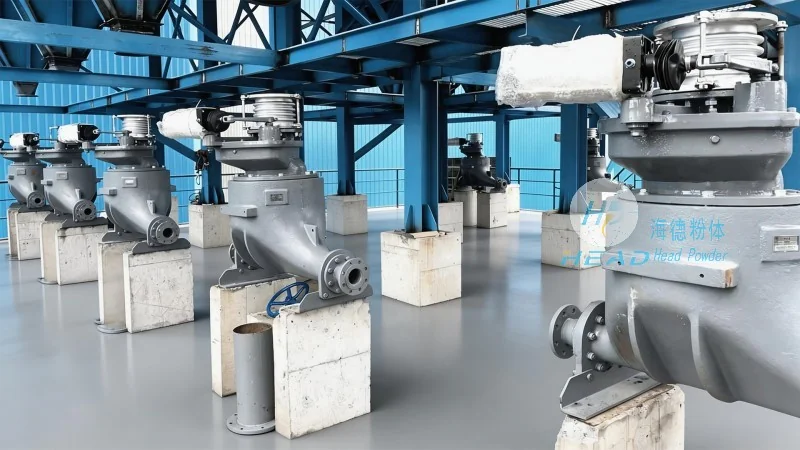
Caustic slag, typically composed of calcium oxide and other chemical residues, is known for its high reactivity and fine particle size. When handled in traditional methods, it can generate significant dust, which not only affects air quality but also poses health risks to personnel and can cause equipment wear. Pneumatic conveying systems, which use air pressure to move materials through pipelines, offer a dust-tight solution by containing the material within a sealed system. However, the abrasive properties of caustic slag can still lead to wear on system components, potentially creating points of leakage. Therefore, understanding the specific characteristics of caustic slag and the limitations of conventional pneumatic conveying systems is essential for developing effective dust control measures.
Key Factors Contributing to Dust Leakage in Pneumatic Conveying Systems
Several factors contribute to dust leakage in pneumatic conveying systems when transporting caustic slag. First, the high abrasiveness of the material can cause wear on pipeline elbows, bends, and fittings, leading to cracks or gaps where dust can escape. Second, improper sealing of system components, such as rotary valves, airlocks, and silos, can create pathways for dust to leak into the environment. Third, inadequate air pressure control or system design may result in insufficient material containment, causing particles to escape from the conveying line. Finally, the presence of moisture or moisture-related issues can affect the material's flow characteristics, potentially leading to blockages or increased dust generation. Addressing these factors requires a comprehensive approach that combines robust system design, high-quality components, and regular maintenance.
Advanced Solutions for Dust Leakage Prevention by HeadPowder
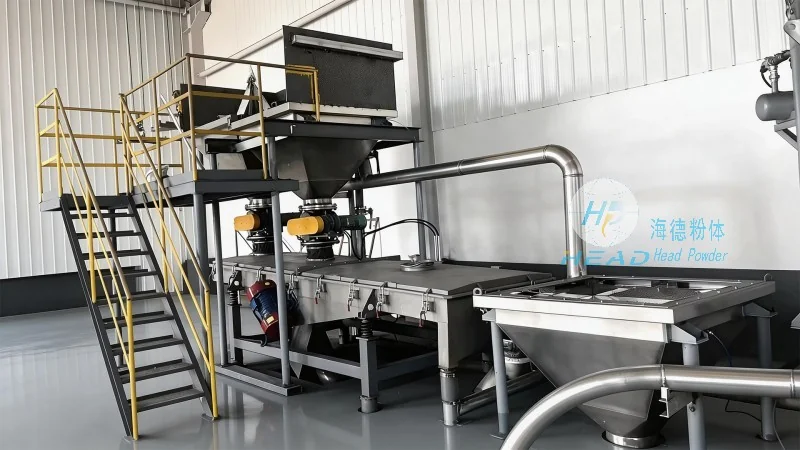
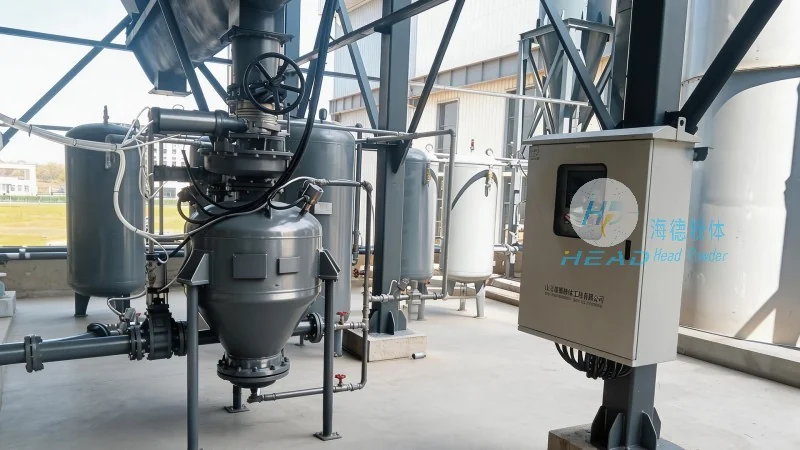
Shandong HeadPowder Engineering Co., Ltd. specializes in designing and manufacturing advanced pneumatic conveying systems tailored to the unique needs of caustic slag handling. The company's solutions focus on enhancing system integrity and reducing points of failure to minimize dust leakage. One key approach is the use of wear-resistant materials for critical components, such as pipelines and fittings, which are constructed from materials like stainless steel or high-grade alloys to withstand the abrasive nature of caustic slag. Additionally, HeadPowder employs advanced sealing technologies, including double-seal rotary valves and airlock systems, to ensure tight containment of the material throughout the conveying process. The company also integrates intelligent control systems that monitor air pressure, flow rates, and system performance in real-time, allowing for immediate adjustments to prevent over-pressurization or material blockages that could lead to dust leakage.
Implementing a Comprehensive Dust Control Strategy
A successful dust control strategy for pneumatic conveying systems handling caustic slag involves a multi-faceted approach that addresses both system design and operational practices. First, thorough system design is crucial, including proper pipeline layout to minimize bends and elbows, which reduces wear and potential leakage points. Second, regular maintenance and inspection of system components are essential to identify and replace worn parts before they cause significant damage. Third, the use of dust collection and filtration systems, such as cyclones or baghouse filters, can capture any dust that may escape, further improving environmental compliance. Finally, training personnel on proper system operation and maintenance can help prevent human errors that may contribute to dust leakage. By combining these strategies, companies can achieve effective dust control while maintaining the efficiency and reliability of their pneumatic conveying systems.
Conclusion: Ensuring Safe and Efficient Caustic Slag Transport
Preventing dust leakage in pneumatic conveying systems for caustic slag transport is a critical challenge that requires a combination of advanced technology, robust system design, and diligent maintenance. Shandong HeadPowder Engineering Co., Ltd. provides comprehensive solutions that address the unique challenges of caustic slag handling, ensuring operational safety, environmental compliance, and long-term system performance. By investing in high-quality components, advanced sealing technologies, and intelligent control systems, companies can minimize dust leakage and achieve efficient, reliable material transport. The company's expertise in pneumatic conveying systems for caustic slag handling makes it a trusted partner for industries seeking to optimize their material handling processes while adhering to environmental regulations.