

Preventing Dust Leakage in Pneumatic Conveying Systems When Transporting Soybeans
When it comes to the efficient and safe handling of bulk materials like soybeans, the choice of conveying system is critical. Pneumatic conveying systems offer a reliable method for transporting these materials, but they often face challenges related to dust leakage, which can impact operational efficiency, worker safety, and environmental compliance. For industries relying on soybean processing, understanding and implementing effective dust control measures within pneumatic conveying systems is essential. This article explores the strategies and solutions provided by Shandong HeadPowder Engineering Co., Ltd., a leading provider in the field, to prevent dust leakage during soybean transport.
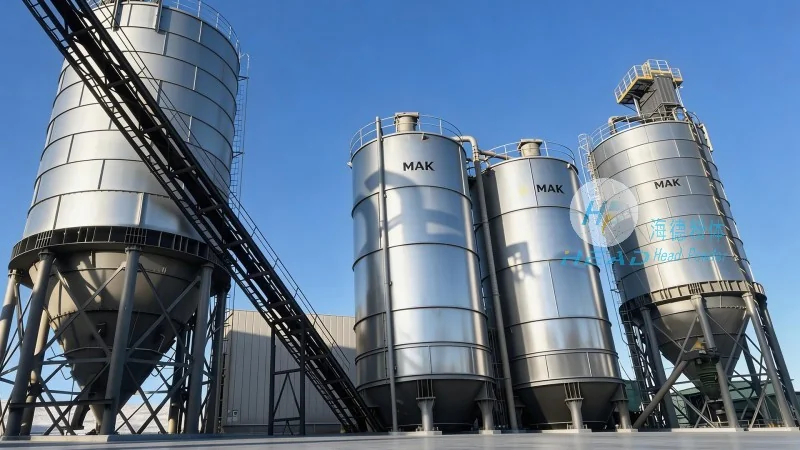
Company Profile: Shandong HeadPowder Engineering Co., Ltd.
HeadPowder, the abbreviation for Shandong HeadPowder Engineering Co., Ltd., is a professional enterprise based in Shandong, China. With a strong commitment to engineering excellence and customer satisfaction, the company specializes in the design, manufacturing, and installation of pneumatic conveying systems tailored for various bulk material applications. HeadPowder's expertise lies in addressing the unique challenges of material handling, particularly in the agricultural and food processing sectors, where maintaining product integrity and operational safety is paramount.
Challenges of Dust Leakage in Soybean Pneumatic Conveying
Soybeans, as a fine-grained bulk material, are prone to generating dust during handling and transport. In pneumatic conveying systems, this dust can escape through seals, joints, and other openings, leading to several issues. First, dust leakage poses a health risk to workers, as inhalation of fine particles can cause respiratory problems. Second, it reduces the overall efficiency of the system by causing material loss and requiring additional cleaning efforts. Third, environmental regulations often impose strict limits on dust emissions, making it imperative for industries to adopt effective dust control measures. The primary causes of dust leakage include inadequate sealing of system components, wear and tear of seals over time, and insufficient filtration of exhaust air.
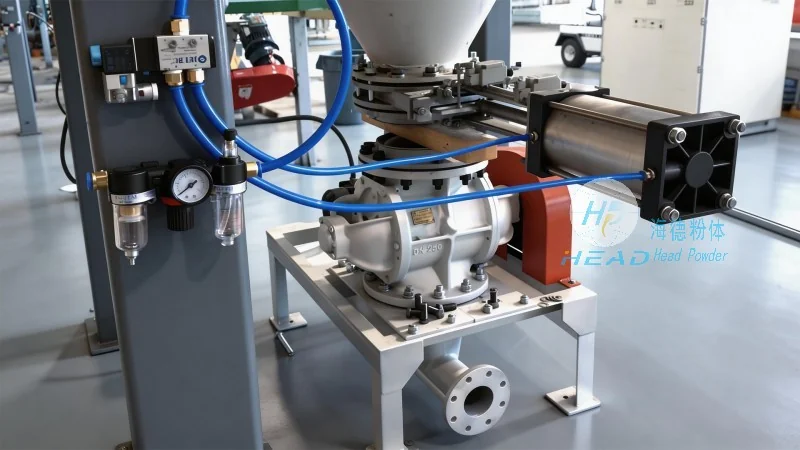
Key Solutions for Preventing Dust Leakage in Soybean Conveying Systems
Shandong HeadPowder Engineering Co., Ltd. offers comprehensive solutions to mitigate dust leakage in pneumatic conveying systems for soybeans. These solutions are designed to address the root causes of dust escape and enhance the overall performance and safety of the system. One of the core strategies involves the implementation of high-quality sealing mechanisms. The company utilizes advanced materials and engineering designs to ensure that all connections, such as hose couplings, valve interfaces, and system joints, are tightly sealed. This prevents the escape of soybean dust and maintains the integrity of the conveying process. Additionally, HeadPowder employs robust filtration systems that capture and contain any dust particles that may be present in the exhaust air. These filters are designed to meet industry standards for air quality and are regularly maintained to ensure optimal performance. Another critical aspect is the use of specialized equipment, such as dust collectors and cyclones, which are integrated into the system to separate dust from the conveying air. This not only reduces dust leakage but also improves the quality of the soybean product by preventing contamination from airborne particles.
Customized Pneumatic Conveying Systems for Soybean Handling
Recognizing that each soybean processing facility has unique operational requirements, HeadPowder provides customized pneumatic conveying solutions. The company works closely with clients to understand their specific needs, including the volume of soybeans to be transported, the distance of the conveying route, and the existing infrastructure. Based on this information, HeadPowder designs and manufactures systems that are optimized for efficiency and dust control. For example, in systems handling large quantities of soybeans, the company may recommend a combination of positive and negative pressure conveying to minimize dust generation. The use of flexible hoses and adjustable valves allows for better control over the flow of soybeans, reducing the likelihood of clogging and dust release. Furthermore, HeadPowder's systems are equipped with advanced monitoring and control technologies that enable real-time tracking of system performance and early detection of potential issues, such as increased dust levels or pressure drops, which could indicate a problem with sealing or filtration.
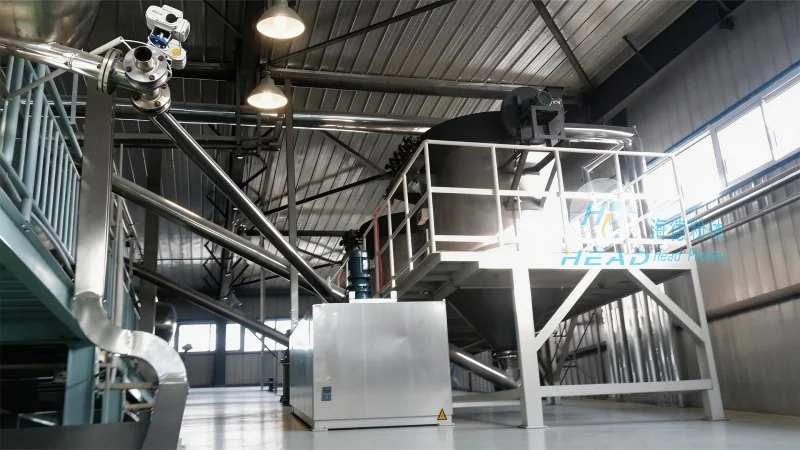
Maintenance and Best Practices for Dust Control
Preventing dust leakage is not a one-time solution but requires ongoing maintenance and adherence to best practices. Shandong HeadPowder Engineering Co., Ltd. emphasizes the importance of regular inspections and maintenance of pneumatic conveying systems. This includes checking seals for wear and tear, replacing them as needed, and ensuring that all components are properly lubricated. The company also provides training to facility operators on how to identify and address common issues related to dust control. Regular cleaning of the system, particularly the filtration components, is crucial to maintain their effectiveness. By following these best practices, industries can ensure that their pneumatic conveying systems remain efficient and safe, minimizing dust leakage and maximizing operational productivity.
Conclusion
In conclusion, preventing dust leakage in pneumatic conveying systems when transporting soybeans is a multifaceted challenge that requires a combination of advanced engineering solutions and diligent maintenance. Shandong HeadPowder Engineering Co., Ltd. stands as a trusted partner in this endeavor, offering customized and reliable systems that address the unique needs of soybean processing facilities. By implementing the strategies and solutions provided by HeadPowder, industries can enhance operational efficiency, ensure worker safety, and comply with environmental regulations. The company's commitment to quality and customer satisfaction makes it an ideal choice for businesses seeking to optimize their soybean handling processes and minimize dust-related issues.