

[Efficient and Clean Wool Handling: An In-Depth Look at Pneumatic Conveying Technology]
For businesses in the wool processing industry, optimizing material handling while maintaining hygiene standards is a critical challenge. Traditional methods often involve manual labor or mechanical systems that can introduce contaminants or reduce efficiency. HeadPowder, a leading provider of engineering solutions, offers advanced pneumatic conveying systems designed to address these challenges. In this article, we explore how pneumatic conveying technology enhances wool handling efficiency, focusing on the technology's benefits and practical applications.
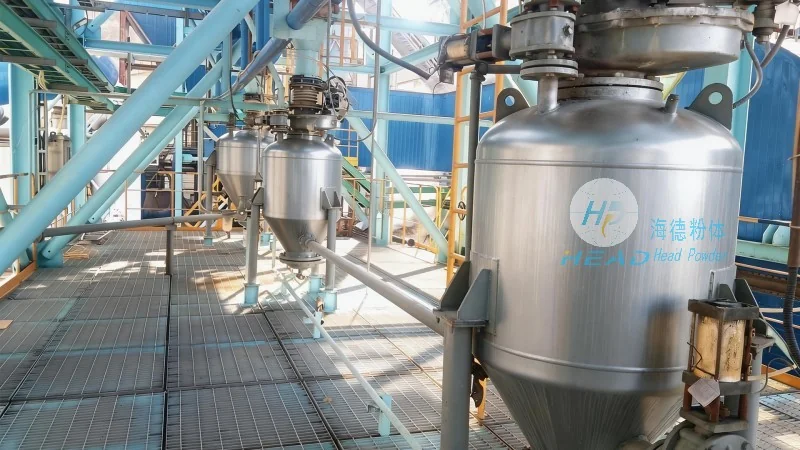
Understanding Pneumatic Conveying for Wool Processing
Pneumatic conveying, also known as air conveying, uses pressurized or vacuum air to transport bulk materials like wool through a network of pipes. Unlike traditional systems that rely on gravity or mechanical components, pneumatic systems eliminate the need for manual handling and reduce the risk of contamination. The technology works by creating a flow of air that moves the wool particles through the system, ensuring a clean and efficient transfer from one location to another. This method is particularly advantageous for wool, as it is a fine, lightweight material that can be easily damaged by mechanical contact or exposure to contaminants.
The Benefits of Pneumatic Conveying in Wool Handling
One of the primary advantages of pneumatic conveying for wool processing is its ability to maintain a clean environment. Unlike mechanical systems that may introduce dust, debris, or bacteria, pneumatic systems operate in a sealed environment, preventing cross-contamination and ensuring the wool remains free from impurities. This is crucial for maintaining the quality and value of the wool, as contaminants can significantly impact its marketability and processing outcomes. Additionally, pneumatic conveying reduces labor costs by automating the material handling process, minimizing the need for manual loading and unloading. The technology also enhances safety in the workplace by eliminating the need for workers to handle heavy or bulky wool bales, reducing the risk of injuries.
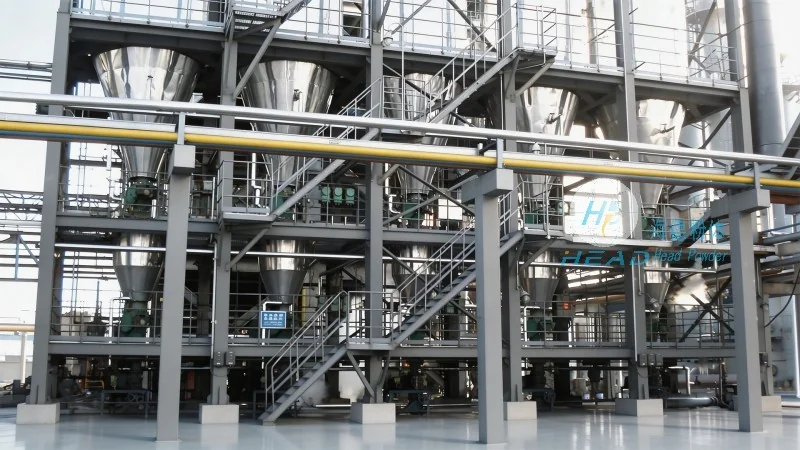
How Pneumatic Conveying Boosts Efficiency in Wool Handling
Pneumatic conveying systems are designed to optimize the speed and volume of wool transport. By using air pressure or vacuum to move materials, these systems can handle large quantities of wool quickly and efficiently. The flow rate and pressure can be adjusted to match the specific requirements of the wool processing operation, ensuring optimal performance. This flexibility allows businesses to scale their operations without compromising on efficiency or quality. Furthermore, pneumatic conveying reduces downtime by minimizing the need for maintenance and repairs compared to traditional systems. The sealed system design also reduces the risk of material loss or spillage, further improving operational efficiency.
Applications of Pneumatic Conveying in Wool Processing
Pneumatic conveying technology is widely used in various stages of wool processing, from raw wool collection to finished product distribution. In the initial stages, pneumatic systems can be used to transport raw wool from storage areas to processing facilities, ensuring a clean and efficient transfer. During the processing phase, the technology can be employed to move wool through cleaning, carding, and spinning stages, maintaining the material's integrity and quality. In the final stages, pneumatic conveying can be used to transport finished wool products to packaging and shipping areas, ensuring a seamless transition from production to distribution. The versatility of pneumatic systems makes them suitable for a wide range of wool processing applications, from small-scale operations to large industrial facilities.
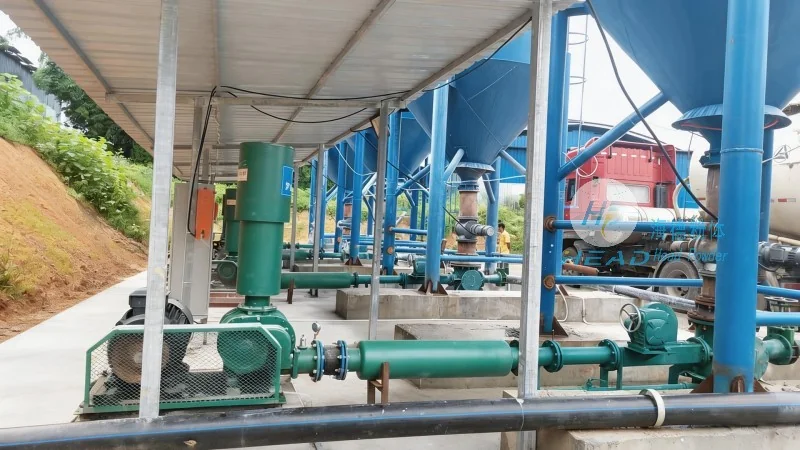
Choosing the Right Pneumatic Conveying System for Wool Handling
When selecting a pneumatic conveying system for wool processing, several factors must be considered to ensure optimal performance and efficiency. The first consideration is the type of system, which can be either pressure or vacuum-based. Pressure systems use compressed air to push the wool through the pipes, while vacuum systems use suction to draw the material. The choice depends on the distance and height of the transport, as well as the volume of wool being handled. Another important factor is the material of the pipes and components, which should be made of materials that are resistant to wool and other fine particles to prevent clogging or damage. Additionally, the system should be equipped with proper filtration and cleaning mechanisms to maintain its efficiency and longevity.
Conclusion: The Future of Wool Handling with Pneumatic Conveying
As the wool processing industry continues to evolve, the demand for efficient and clean material handling solutions remains high. Pneumatic conveying technology offers a superior solution that addresses the challenges of traditional methods while providing numerous benefits. By maintaining a clean environment, reducing labor costs, and enhancing operational efficiency, pneumatic systems are becoming increasingly popular in the wool industry. For businesses looking to improve their wool handling processes, investing in a pneumatic conveying system is a strategic decision that can lead to long-term success and growth. With the right system and proper implementation, pneumatic conveying can revolutionize how wool is handled, ensuring a clean, efficient, and sustainable operation.