

Introduction to Gypsum Pellet Conveying Systems: Advantages and Features of Gypsum Pellet Pneumatic
For industrial applications involving the transport of gypsum pellets, efficient and reliable conveying systems are essential to ensure smooth operations and maintain product quality. The gypsum pellet conveying system, particularly the pneumatic conveying variant, has emerged as a preferred solution in various sectors due to its versatility and effectiveness. This article provides an overview of gypsum pellet conveying systems, highlighting the key advantages and features that make them suitable for modern industrial needs. The information is presented by Shandong HeadPowder Engineering Co., Ltd., a leading provider of industrial conveying solutions based in Shandong, China.

Understanding Gypsum Pellet Pneumatic Conveying
Gypsum pellet pneumatic conveying utilizes air or gas as the medium to transport bulk materials like gypsum pellets from one location to another. Unlike traditional mechanical conveying methods, such as screw conveyors or belt conveyors, pneumatic systems offer several advantages in terms of flexibility, scalability, and maintenance requirements. The core components of a typical gypsum pellet pneumatic conveying system include a material feed hopper, a conveyor line (often equipped with a series of pipes and valves), a dust collector, and a discharge unit. The system operates by introducing air into the conveyor line, creating a flow that propels the gypsum pellets through the system. This method is particularly effective for handling materials that are prone to dust generation or require gentle handling to prevent degradation.
Key Advantages of Gypsum Pellet Pneumatic Conveying
One of the primary advantages of gypsum pellet pneumatic conveying is its ability to handle a wide range of material characteristics, including varying particle sizes, moisture content, and bulk density. The system's flexibility allows it to adapt to different production volumes and operational requirements, making it suitable for both small-scale and large-scale industrial applications. Additionally, pneumatic conveying systems are highly efficient in terms of energy consumption compared to mechanical alternatives, as they minimize friction and material degradation during transport. This efficiency translates into lower operational costs and reduced wear on equipment components.
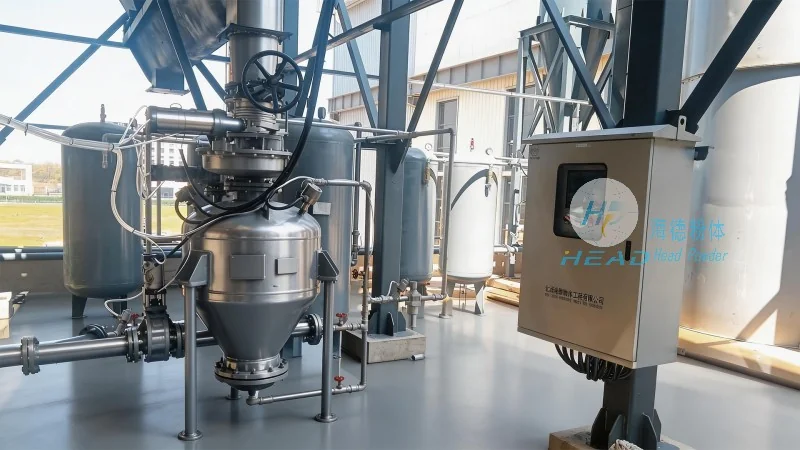
Another significant advantage is the system's ability to maintain product integrity. Gypsum pellets are often sensitive to moisture and mechanical stress, which can affect their quality and performance. Pneumatic conveying systems provide a controlled environment that minimizes exposure to external factors, ensuring that the pellets remain in optimal condition throughout the transport process. This is particularly important for applications where the gypsum pellets are used in construction, pharmaceuticals, or other industries where product quality is critical.
Enhanced Safety and Environmental Compliance
Gypsum pellet pneumatic conveying systems are designed with safety and environmental considerations in mind. The enclosed nature of the system reduces the risk of dust exposure and airborne contamination, which is a common concern in traditional bulk material handling. Many modern systems are equipped with advanced filtration and dust collection technologies that meet stringent environmental regulations, ensuring compliance with local and international standards. This not only protects the health and safety of workers but also minimizes the environmental impact of the operation.
Scalability and Customization Options
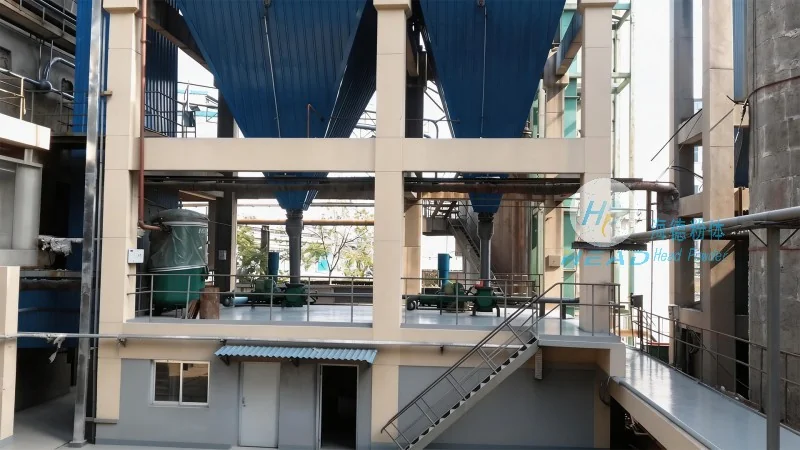
Shandong HeadPowder Engineering Co., Ltd., a leading manufacturer of industrial conveying solutions, offers customized gypsum pellet pneumatic conveying systems tailored to specific customer needs. The company's expertise in engineering and material handling allows them to design systems that are scalable, meaning they can be expanded or modified as production requirements change. This flexibility is crucial for businesses that are growing or need to adapt to changing market demands. Additionally, the systems can be integrated with existing production lines, minimizing downtime and ensuring a seamless transition to new conveying methods.
Maintenance and Durability Considerations
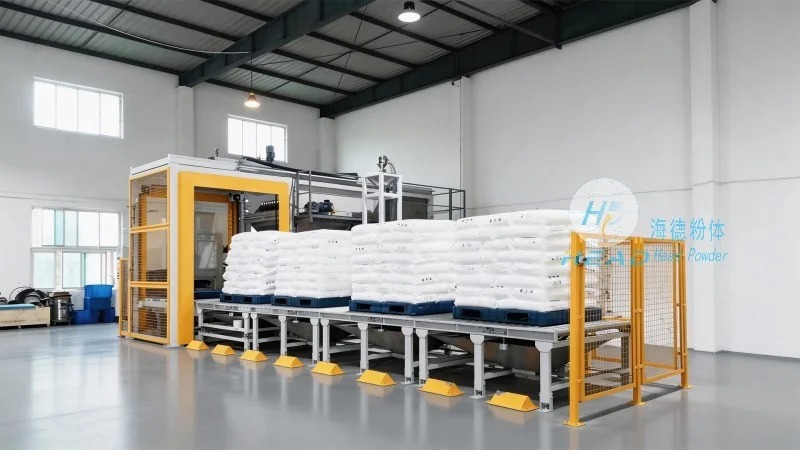
While pneumatic conveying systems offer numerous benefits, proper maintenance is essential to ensure long-term performance and reliability. The components, such as pipes, valves, and filters, require regular inspection and cleaning to prevent clogging and maintain optimal air flow. Shandong HeadPowder Engineering Co., Ltd. provides comprehensive maintenance services and spare parts to support their customers, ensuring that the systems operate efficiently and with minimal downtime. The materials used in the construction of the conveying system, such as high-quality stainless steel and corrosion-resistant coatings, contribute to the durability and longevity of the equipment, reducing the need for frequent replacements.
Conclusion
Gypsum pellet pneumatic conveying systems represent a sophisticated and efficient solution for the transport of bulk materials in industrial settings. With their ability to handle diverse material characteristics, maintain product quality, and offer enhanced safety and environmental compliance, these systems are becoming increasingly popular in various industries. Shandong HeadPowder Engineering Co., Ltd. continues to innovate and provide high-quality conveying solutions that meet the evolving needs of modern industries, ensuring reliable and cost-effective material handling for their clients.