

Introduction to Rubber Powder Conveying Systems and the Advantages of Pneumatic Rubber Powder Convey
HeadPowder, a leading provider in the field of material handling solutions, specializes in the design, manufacturing, and implementation of advanced rubber powder conveying systems. With a strong presence in Shandong, China, the company has established itself as a trusted partner for industries relying on efficient and reliable rubber powder transportation. This article provides an in-depth look at rubber powder conveying systems, focusing on the benefits and features of pneumatic rubber powder conveying technology.
Rubber Powder Conveying Systems: An Overview
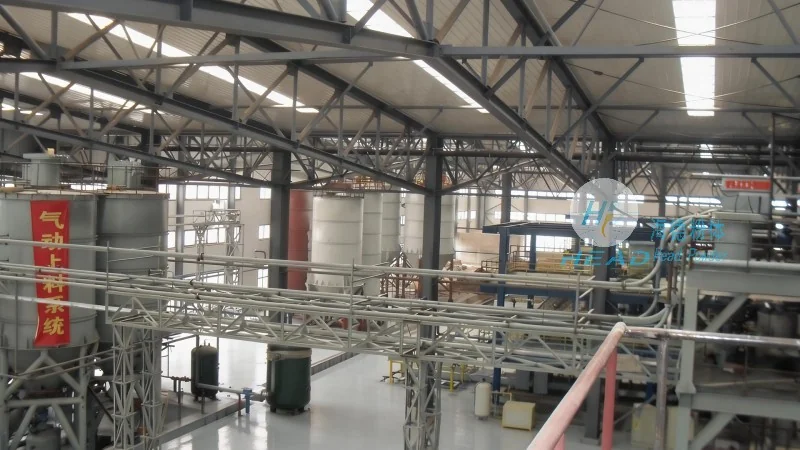
Rubber powder, a critical raw material in various industrial applications such as tire manufacturing, rubber products, and recycling processes, requires specialized handling to ensure safety, efficiency, and product integrity. Traditional methods like belt conveyors or manual handling often face challenges like dust generation, material degradation, and operational inefficiencies. To address these issues, rubber powder conveying systems have emerged as a modern solution, leveraging advanced engineering to transport rubber powder in a controlled and hygienic manner. These systems are designed to handle the unique properties of rubber powder, including its fine particle size, abrasive nature, and tendency to generate dust, ensuring that the material is transported without loss or contamination.
The Advantages of Pneumatic Rubber Powder Conveying
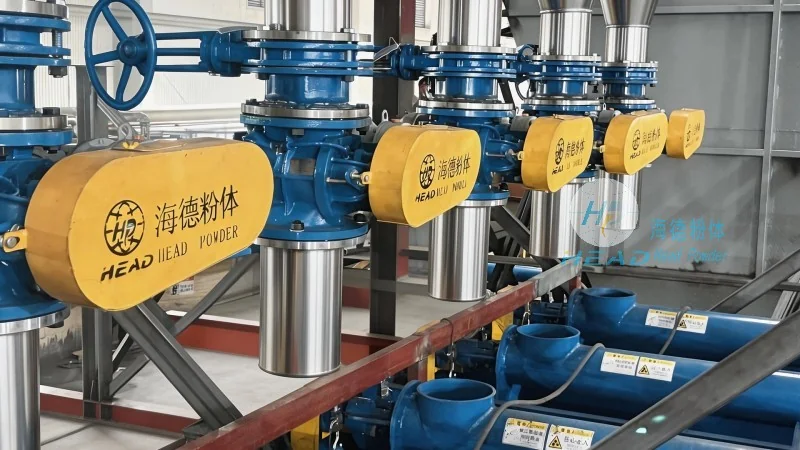
Pneumatic rubber powder conveying, also known as air conveying, offers several distinct advantages over traditional mechanical methods. One of the primary benefits is the ability to transport rubber powder over long distances with minimal energy consumption. The system utilizes compressed air to move the material through a network of pipes, eliminating the need for mechanical components like belts or rollers that can cause wear and tear or introduce contaminants. This results in lower maintenance costs and longer system lifespans. Additionally, pneumatic conveying systems provide a dust-free environment, which is crucial for maintaining product quality and ensuring workplace safety. By containing the material within a sealed system, the risk of dust exposure is significantly reduced, aligning with health and safety regulations in industrial settings. Another key advantage is the flexibility of the system, which allows for easy integration with existing production lines and the ability to adjust conveying rates based on operational needs. This adaptability makes pneumatic rubber powder conveying suitable for a wide range of applications, from small-scale operations to large industrial facilities.
Key Features of Rubber Powder Conveying Systems
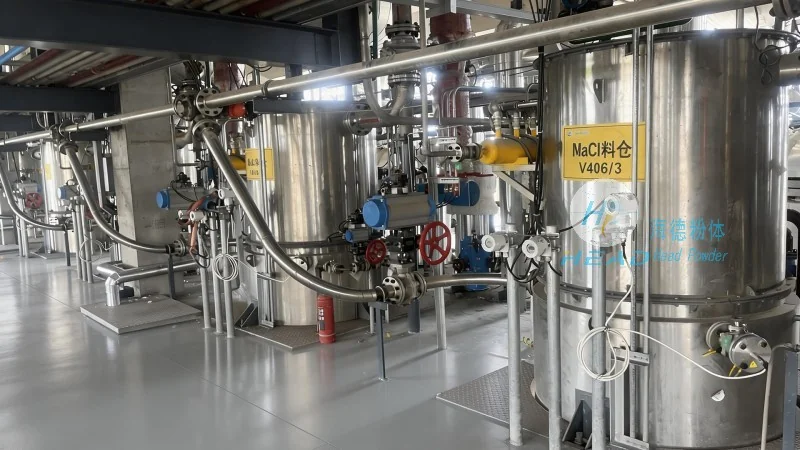
Modern rubber powder conveying systems, particularly those offered by HeadPowder, incorporate several key features that enhance performance and reliability. These systems typically include a combination of components such as a material feeder, air compressor, conveying pipes, and a receiver or discharge unit. The material feeder is designed to handle the rubber powder efficiently, ensuring a consistent flow into the system. It may include features like a hopper with a level sensor to monitor material levels and prevent overfilling or underfilling. The air compressor provides the necessary pressure to move the material through the pipes, with options for variable speed control to adjust the conveying rate. The conveying pipes are constructed from durable materials, such as stainless steel or special alloys, to withstand the abrasive nature of rubber powder and resist corrosion. The receiver or discharge unit is equipped with a filter to capture any fine particles, preventing them from escaping into the environment and ensuring that the material is delivered in a clean and dry state. Furthermore, advanced systems may include features like pressure sensors and flow meters to monitor system performance and detect any issues, such as blockages or air leaks, in real-time. This proactive monitoring helps to minimize downtime and maintain optimal operational efficiency.
Applications and Use Cases
Rubber powder conveying systems are widely used in various industries where rubber powder is a key component. In the tire manufacturing industry, these systems are essential for transporting rubber powder from storage to processing equipment, ensuring a continuous supply of raw material. The automotive industry also benefits from rubber powder conveying systems, particularly in the production of rubber seals, gaskets, and other components. Additionally, the recycling industry relies on these systems to transport rubber powder from recycling facilities to manufacturing plants, facilitating the circular economy of rubber products. Other applications include the production of rubber flooring, rubber mats, and other consumer goods, where efficient and clean material handling is critical. HeadPowder's systems are designed to meet the specific needs of these industries, offering customized solutions that address the unique challenges of each application.
Conclusion
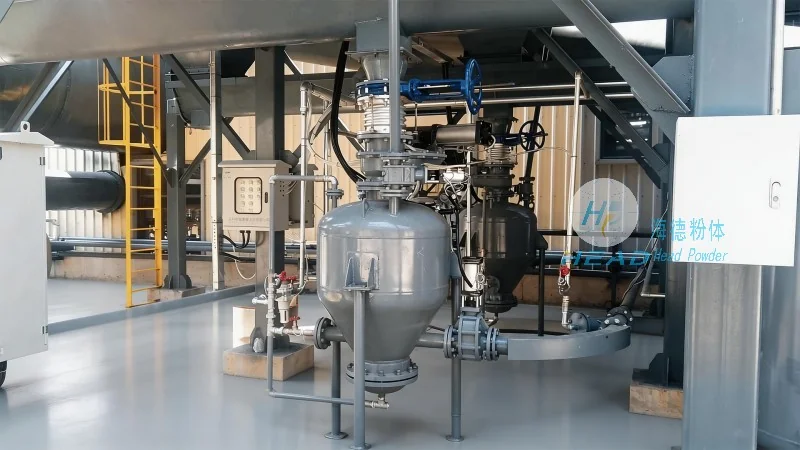
In conclusion, rubber powder conveying systems, especially those utilizing pneumatic technology, represent a significant advancement in material handling for the rubber industry. By providing efficient, dust-free, and flexible transportation solutions, these systems enhance operational efficiency, reduce costs, and improve product quality. HeadPowder, with its expertise and commitment to quality, continues to lead in the development and implementation of advanced rubber powder conveying systems, helping industries around the world achieve their production goals while maintaining the highest standards of safety and environmental responsibility. For businesses seeking reliable and effective rubber powder transportation solutions, HeadPowder offers a comprehensive range of systems tailored to meet diverse industrial needs.