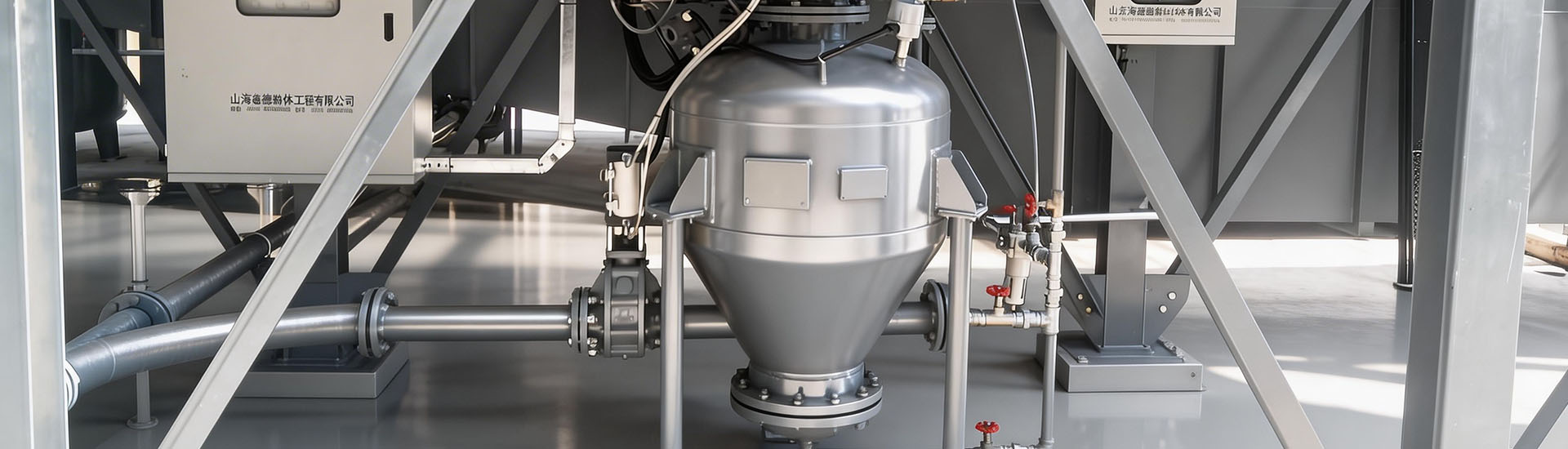
In industrial settings, efficient and reliable powder handling is crucial for maintaining productivity and product quality. Vacuum feeding powder conveying systems have emerged as a preferred solution for transporting dry powders and granules, offering advantages such as gentle material handling, minimal dust generation, and flexible installation. However, selecting the right system that balances performance with cost-effectiveness can be challenging. This article explores key factors to consider when choosing a cost-effective vacuum feeding powder conveying solution.
Understanding your material characteristics and flow rates is the first step in selecting an appropriate vacuum feeding powder conveying system. The properties of the powder, such as particle size, density, and moisture content, significantly impact the choice of equipment. For instance, cohesive or fine powders may require higher vacuum pressure and specialized feeding mechanisms to ensure smooth transfer. Evaluate the conveying distance and layout, as the distance between the source and destination points will determine the required system design. Longer distances may necessitate higher vacuum levels or additional booster pumps to maintain adequate flow rates. Consider operational requirements like continuous or intermittent operation, required throughput, and integration with existing processes to align the system with your production schedule.

The efficiency of a vacuum feeding powder conveying system is directly related to its ability to maintain consistent vacuum levels while minimizing energy use. Advanced systems use variable frequency drives (VFDs) and intelligent control algorithms to adjust vacuum pressure based on real-time demand, reducing unnecessary energy consumption. Evaluate system components for energy efficiency, such as high-efficiency motors, low-pressure drop pipelines, and well-designed suction nozzles. These elements contribute to overall energy savings. Assess the total cost of ownership (TCO), which includes energy bills, maintenance, and replacement parts. A system with lower energy consumption and longer component lifespans can lead to significant savings over time.
Choosing durable materials for the vacuum feeding powder conveying system's components affects both performance and cost. Stainless steel is a common choice due to its corrosion resistance and ability to handle a wide range of powders, including those with moisture or abrasive properties. Consider maintenance and spare parts availability; systems with easily accessible components and readily available spare parts reduce downtime and maintenance costs. Modular designs allow for quick replacement of worn parts without extensive system disassembly. Evaluate the total cost of ownership to ensure that the system's initial investment is justified by long-term durability and reliability.
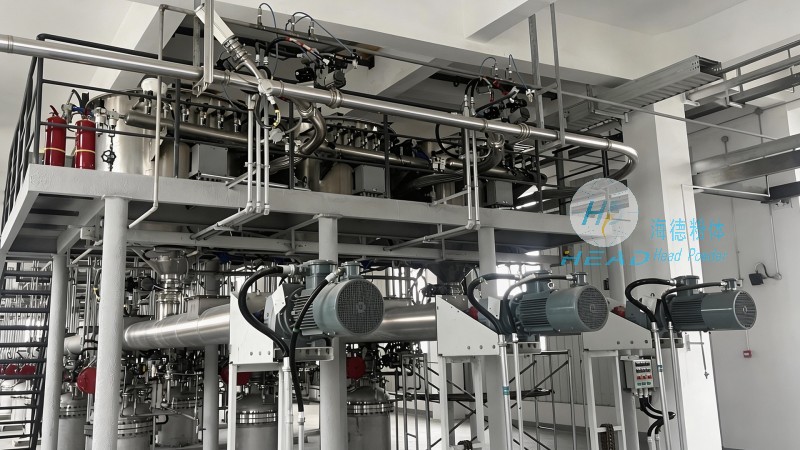
A reliable vacuum feeding powder conveying system minimizes interruptions in production, which can lead to lost productivity and increased costs. Factors such as robust motor designs, high-quality seals, and advanced filtration systems contribute to consistent operation. Consider system redundancy and safety features, such as redundant pumps or backup power supplies, to ensure continuous operation. Safety features like overpressure relief valves and dust collection systems protect both personnel and equipment. Test and validate system performance under actual operating conditions to confirm that it meets all performance criteria, including flow rates, vacuum levels, and material transfer efficiency.
Researching manufacturer experience and expertise is crucial when choosing a vacuum feeding powder conveying system. A manufacturer with extensive experience in handling various powder types and industrial applications ensures access to reliable products and technical support. Evaluate customization and support services; the ability to tailor the system to specific needs is essential. Check for certifications and compliance with industry standards and regulations to ensure the system is not only effective but also legally compliant. A manufacturer that offers after-sales support and training can provide additional value to your operation.

If you're looking to optimize your powder handling processes and reduce costs, contact Head powder today. Our team of experts can help you evaluate your specific needs and recommend a cost-effective vacuum feeding powder conveying system tailored to your requirements. Learn more about our solutions and request a free consultation to start improving your industrial efficiency.

 Shandong Haide Powder Engineering Co., Ltd
 156-6277-7102(Manager Zhang)
  0531-83386006
  No. 1 Shanggao Industrial Park, Zhangqiu District, Jinan City, Shandong Province
 telephone
top