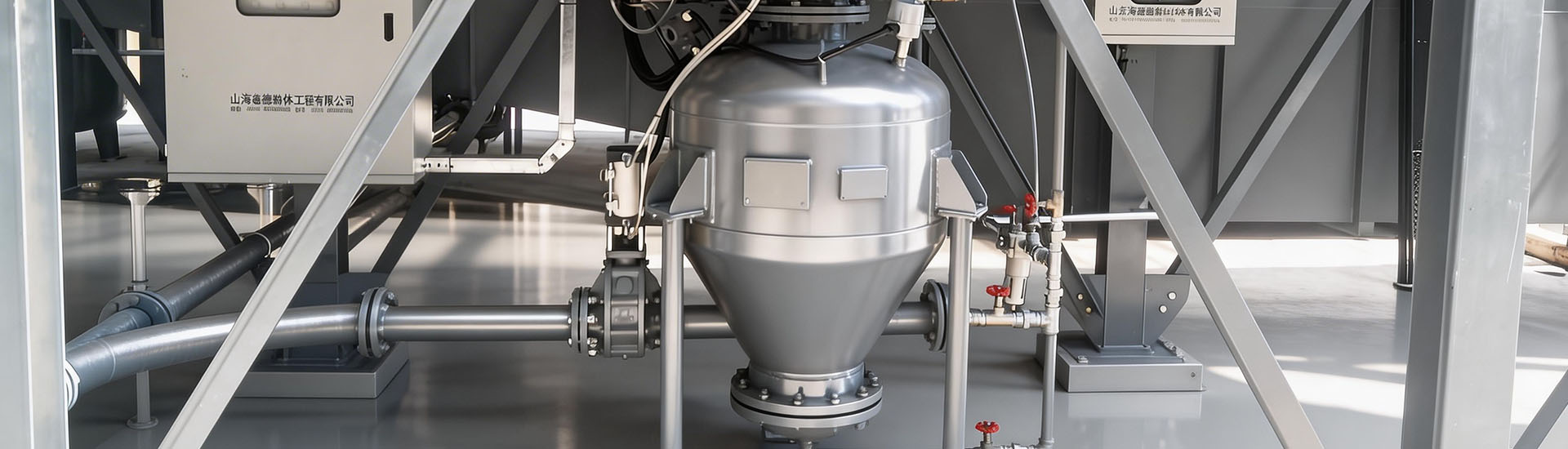
Sintering dust and ash powder are integral byproducts in metallurgical and industrial processes, and their efficient transportation is critical for maintaining production efficiency and environmental compliance. However, selecting the right conveying method for these powders presents unique challenges due to their variable properties—such as particle size, moisture content, and potential abrasiveness. This article explores the key considerations and options for choosing the optimal transportation system for sintering dust removal ash powder conveying, helping professionals in the industry make informed decisions.
Before selecting a conveying system, it's essential to understand the physical and chemical properties of the sintering dust and ash powder. For instance, fine particles may require specialized equipment to prevent clogging, while high moisture content could lead to clumping or corrosion of metal components. Head powder, as a leading manufacturer of sintering dust removal ash powder conveying solutions, emphasizes the need to analyze these factors to ensure the chosen system can handle the specific demands of the material. By matching the conveying method to the dust's characteristics, industries can achieve higher throughput, reduce downtime, and minimize maintenance costs.

Pneumatic conveying uses air to transport powders, offering flexibility for both short and long distances. It can be further categorized into positive pressure (blowing air into the system) and negative pressure (sucking air out of the system). This method is ideal for handling abrasive or corrosive powders, as it reduces direct contact with equipment. In contrast, mechanical conveying systems, such as screw conveyors or belt conveyors, rely on physical movement to transport materials. These systems are often more cost-effective for short distances and low-volume applications but may struggle with fine, sticky powders. When evaluating options, consider the distance between the dust source and the storage or processing point, as well as the required flow rate—factors that directly impact the efficiency of Sintering dust removal ash powder conveying.

Several practical factors should guide the decision-making process. First, the distance of the conveying line is a primary determinant: for short distances (under 50 meters), mechanical systems like screw conveyors are often sufficient, while pneumatic systems are preferred for longer distances (up to several hundred meters). Second, the volume of material to be transported matters—high-volume applications may benefit from bulk pneumatic conveyors, whereas low-volume needs might be met by smaller mechanical units. Third, environmental and safety requirements play a role: for example, if the dust is hazardous or requires dust control, a closed system (either pneumatic or mechanical) is necessary to prevent airborne emissions. Additionally, the cost of installation, operation, and maintenance should be weighed against the expected lifespan and performance of the system. Head powder's expertise in customizing Sintering dust removal ash powder conveying solutions ensures that these factors are carefully evaluated to deliver a system that meets both operational and budgetary goals.

Choosing the right transportation method for sintering dust and ash powder is a critical step in optimizing industrial processes. At Head powder, we specialize in providing tailored Sintering dust removal ash powder conveying systems that address the unique challenges of each application. Whether you need a pneumatic solution for long-distance transport or a mechanical system for short-range handling, our team of experts can help you select the most efficient and cost-effective option. Contact us today to learn more about our products and services, and let us help you enhance your production efficiency and environmental compliance.

 Shandong Haide Powder Engineering Co., Ltd
 156-6277-7102(Manager Zhang)
  0531-83386006
  No. 1 Shanggao Industrial Park, Zhangqiu District, Jinan City, Shandong Province
 telephone
top