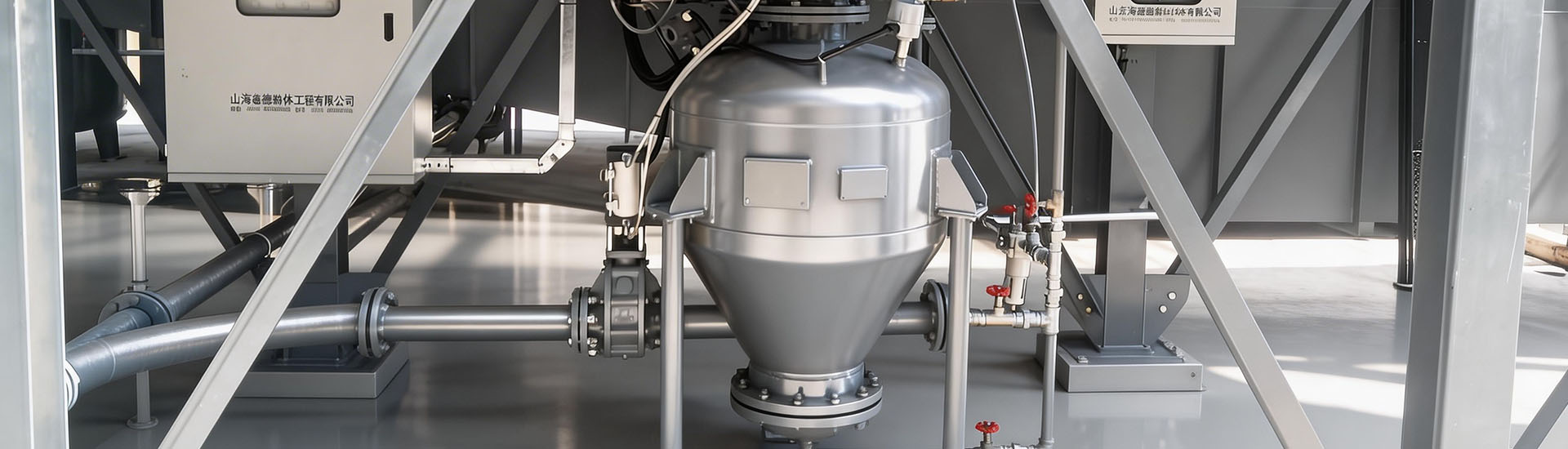
The conventional process of pneumatic conveying for wood chip powder involves a systematic sequence of steps designed to ensure efficient and reliable material transport. This method, widely adopted in the wood processing industry, relies on the principles of air flow to move fine wood chips through pipelines, offering advantages such as reduced labor costs and improved safety compared to traditional methods.
The process begins with the preparation of wood chips, which are typically reduced to a fine powder or chip size suitable for efficient air transport. Head powder's equipment often includes specialized feeders that can handle various particle sizes, ensuring consistent material flow into the conveying system. Proper moisture control is crucial at this stage, as excessive moisture can affect the air flow and reduce conveying efficiency.

Once the material is prepared, an air supply system generates the necessary pressure or vacuum to move the wood chip powder. Head powder's pneumatic conveying systems may use positive pressure or negative pressure, depending on the application. The pipeline network, made of durable materials like stainless steel or plastic, is designed to withstand the abrasive nature of wood chips and maintain air tightness to prevent leaks.
Advanced control systems are integrated into the process to monitor and adjust the conveying parameters in real-time. Sensors detect flow rates, pressure, and temperature, ensuring optimal operation. Head powder's solutions often include programmable logic controllers (PLCs) that automate the feeding and air supply, minimizing human intervention and enhancing process stability.

The final step involves collecting the wood chip powder at the destination point and discharging it into storage or processing units. Head powder's equipment may include cyclone separators or filters to separate the material from the air stream, ensuring clean and dry discharge. Proper maintenance of these components is essential to maintain system efficiency and longevity.
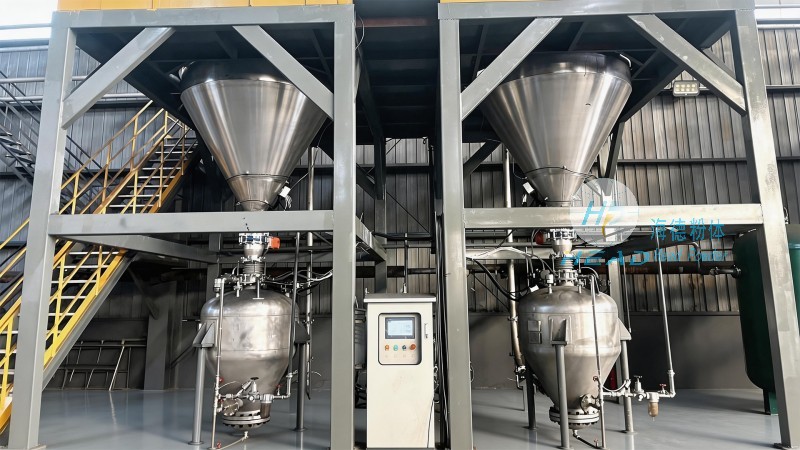
For businesses looking to implement or upgrade their wood chip powder conveying systems, understanding these steps is critical. Head powder offers tailored solutions that address specific operational needs, from small-scale applications to large industrial setups. Contact us today to learn more about our pneumatic conveying systems and how they can enhance your production efficiency.

 Shandong Haide Powder Engineering Co., Ltd
 156-6277-7102(Manager Zhang)
  0531-83386006
  No. 1 Shanggao Industrial Park, Zhangqiu District, Jinan City, Shandong Province
 telephone
top