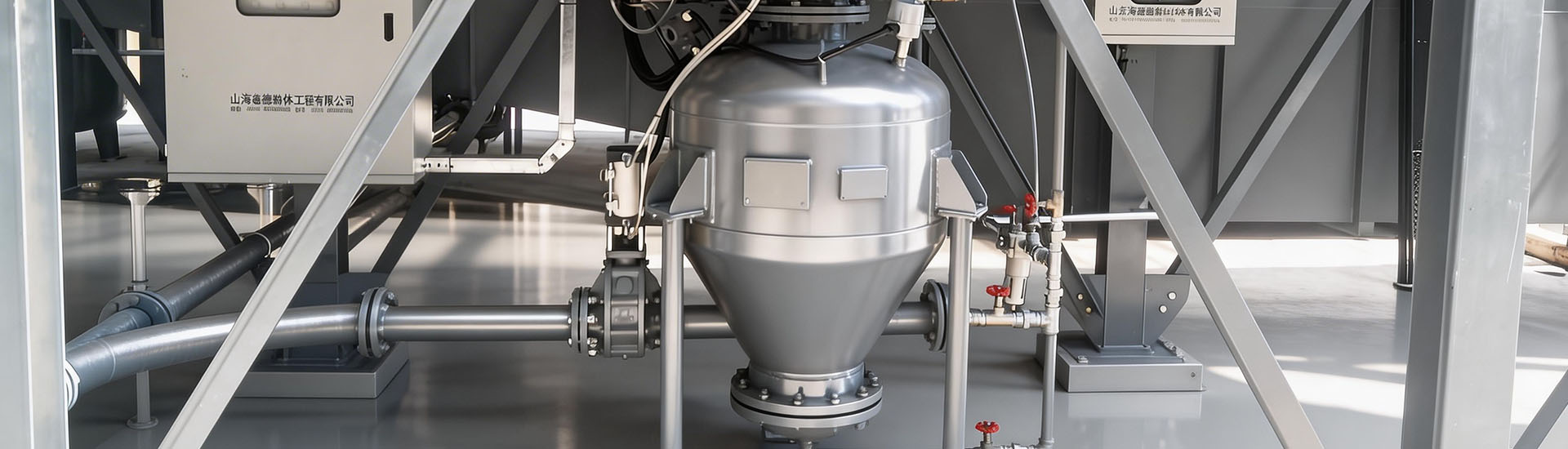
Coal gangue lime pneumatic transportation is a critical process in modern industrial operations, particularly in mining and environmental remediation sectors. This method efficiently moves coal gangue lime—a byproduct of coal processing—through a pipeline system using air pressure, offering significant advantages over traditional bulk handling techniques. Understanding the conventional process is essential for optimizing material flow, reducing operational costs, and ensuring environmental safety.
The conventional process begins with the initial preparation of coal gangue lime. This stage typically involves crushing and screening the raw material to achieve a consistent particle size, which is crucial for smooth coal gangue lime pneumatic transportation. The processed material is then stored in a hopper or silo, where it awaits transport. Advanced equipment such as impact crushers and vibrating screens are often used to ensure uniform particle size, preventing blockages in the subsequent coal gangue lime gas conveying system.

The coal gangue lime pneumatic transportation system consists of several interconnected components, each playing a vital role in the process. The primary components include a feed hopper, a rotary valve (for controlled material discharge), a positive displacement blower or fan (to generate the necessary air pressure), a pipeline network, a dust separator (to remove particles from the air), and a collection bin. Each component must be designed to handle the specific characteristics of coal gangue lime, such as its density and moisture content, to ensure reliable operation.
The actual transport process involves a sequence of actions that ensure efficient material movement. First, the rotary valve opens to allow coal gangue lime to enter the pipeline. Simultaneously, the blower generates high-pressure air, which mixes with the material and propels it through the pipeline. The mixture travels to a dust separator, where the air is filtered, and the coal gangue lime is collected in a designated bin. This separation step is critical to maintaining air quality and preventing dust pollution. The system operates continuously, with the blower maintaining consistent pressure to avoid interruptions in material flow.

Coal gangue lime pneumatic transportation offers several advantages over traditional methods, making it a preferred choice for many industries. It significantly reduces labor costs by automating the material handling process, minimizes environmental impact by containing dust and preventing spills, and improves safety by eliminating manual handling of bulk materials. Additionally, the system can be integrated with other industrial processes, such as cement production or soil stabilization, where coal gangue lime is used as a raw material or additive. Head powder, as a leading manufacturer of coal gangue lime gas conveying systems, specializes in designing customized solutions tailored to specific operational needs.

For businesses seeking to enhance their material handling efficiency and compliance with environmental regulations, understanding the conventional process of coal gangue lime pneumatic transportation is the first step. Head powder provides comprehensive solutions, including equipment, installation, and maintenance services, to ensure optimal performance. Contact us today to learn more about how our coal gangue lime gas conveying systems can improve your operations and reduce costs.

 Shandong Haide Powder Engineering Co., Ltd
 156-6277-7102(Manager Zhang)
  0531-83386006
  No. 1 Shanggao Industrial Park, Zhangqiu District, Jinan City, Shandong Province
 telephone
top