

Introduction to Dry Manure Powder Conveying System: Overview of Structure and Working Principle
Shandong HeadPowder Engineering Co., Ltd., commonly known as HeadPowder, is a professional manufacturer based in Shandong, China. The company specializes in the research, development, and production of advanced dry manure powder conveying systems, catering to the needs of the agricultural and livestock industries.
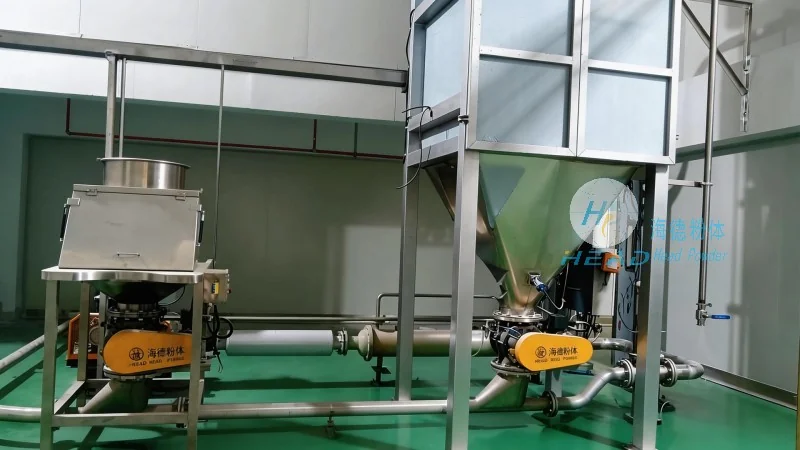
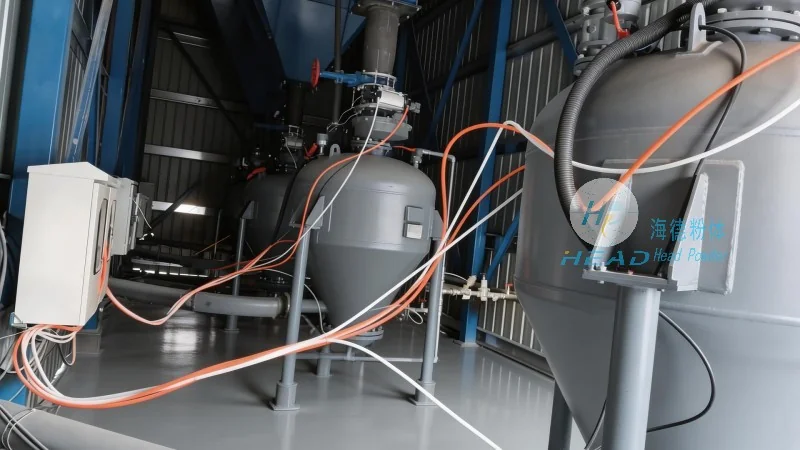
Overview of the Dry Manure Powder Conveying System
The dry manure powder conveying system is an essential piece of equipment designed for the efficient and hygienic transportation of dry manure powders. This system is widely used in large-scale farms, animal husbandry facilities, and organic fertilizer production plants. Its primary function is to transfer dry manure from storage areas or processing units to designated locations such as composting sites, storage silos, or processing lines. By eliminating the need for manual handling, the system enhances operational efficiency and reduces labor costs while maintaining high standards of hygiene and safety.
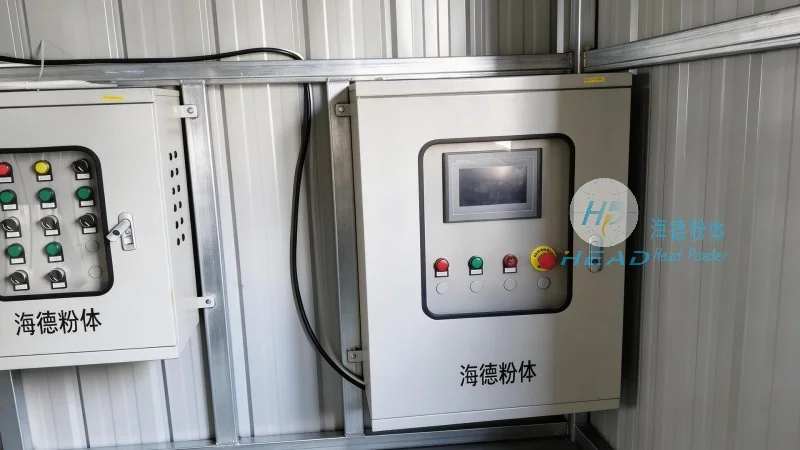
Structure and Working Principle of the System
The dry manure powder conveying system typically consists of several key components, each playing a crucial role in the overall operation. The main structural elements include a feeding hopper, a conveying pipeline, a driving unit (such as a blower or screw conveyor), and a control system. The feeding hopper is responsible for receiving and storing the dry manure powder, ensuring a consistent feed rate. The conveying pipeline, often made of durable materials like stainless steel or corrosion-resistant plastic, transports the powder through the system. The driving unit provides the necessary air or mechanical force to move the powder along the pipeline. The control system monitors and regulates the operation, ensuring smooth and safe conveyance.
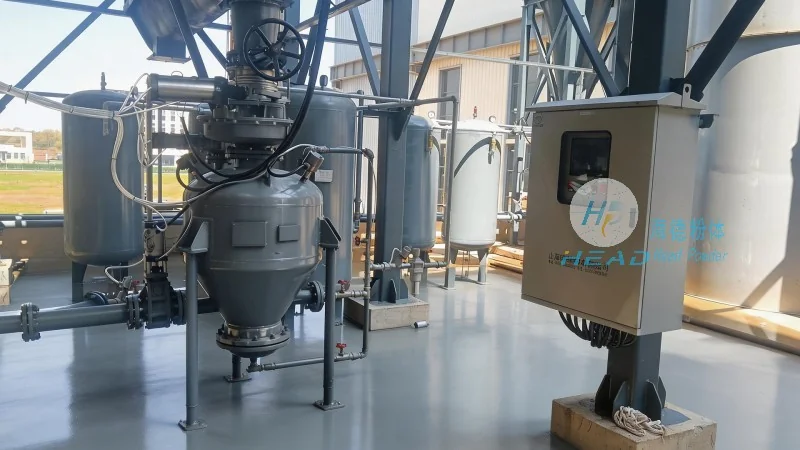
During operation, the dry manure powder is first fed into the hopper. The driving unit then generates a flow of air or mechanical motion, which propels the powder through the pipeline. The system's design ensures minimal dust generation and efficient energy utilization. The control system continuously adjusts parameters such as air pressure or conveyor speed to maintain optimal performance. This integrated approach allows for reliable and continuous conveying of dry manure, even in challenging conditions such as varying moisture content or particle size.