

Introduction to the Rice Husk Ash Powder Conveying System: Structure and Working Principles
HeadPowder, a leading engineering company based in Shandong, China, specializes in the design and manufacturing of efficient powder conveying systems. Among their product portfolio is the Rice Husk Ash Powder Conveying System, a specialized solution tailored for the transportation of rice husk ash—a byproduct with significant industrial applications. This system is engineered to address the unique challenges associated with handling fine, lightweight powders like rice husk ash, ensuring reliable and efficient material transport in industrial settings.
Key Components and Structural Design
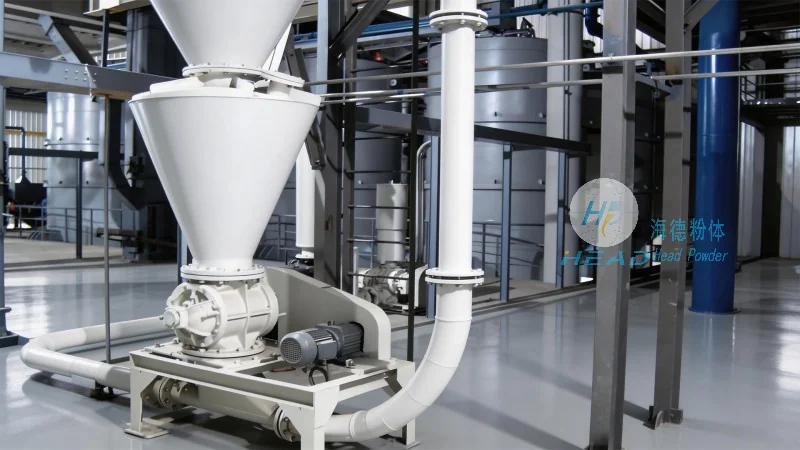
The Rice Husk Ash Powder Conveying System comprises several critical components that work in harmony to achieve optimal performance. The system’s structure is designed with durability and efficiency in mind, utilizing high-quality materials to withstand the rigors of continuous operation. A key component is the hopper, which serves as the primary storage and feeding unit. The hopper is equipped with a feeding mechanism, such as a rotary valve or screw feeder, that controls the flow of rice husk ash into the conveying line. This ensures a consistent and controlled feed rate, preventing material buildup and maintaining system stability.
Next in the system is the conveyor itself, which can be either a pneumatic or mechanical type depending on the specific application requirements. For rice husk ash, a pneumatic conveying system is often preferred due to its ability to handle fine powders with minimal particle degradation. The conveyor consists of a pipeline system, typically made of stainless steel or other corrosion-resistant materials, to prevent contamination and ensure the purity of the conveyed material. The pipeline is equipped with bends and elbows that are designed to minimize pressure loss and maintain the flow of the powder. Additionally, the system includes a dust collection and filtration unit to capture any airborne particles and maintain a clean working environment.
Working Principle and Operational Mechanism
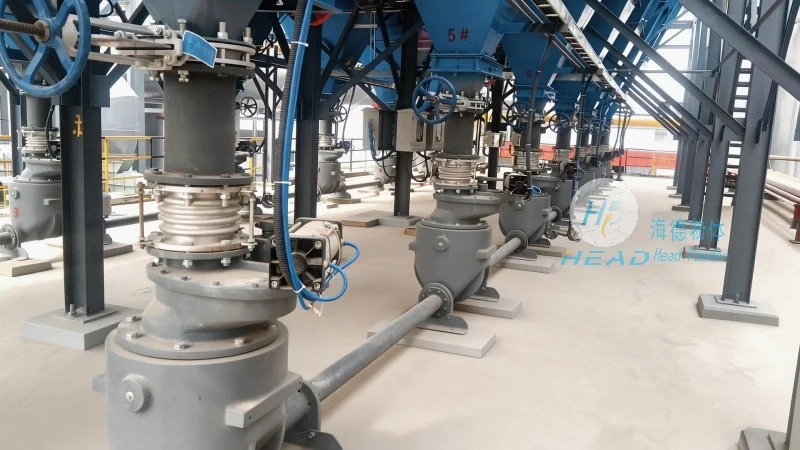
The operational mechanism of the Rice Husk Ash Powder Conveying System is based on the principles of pneumatic conveying, where air is used to transport the powder through the pipeline. The process begins with the material being fed from the hopper into the conveying line. The feeding mechanism regulates the flow rate, ensuring that the correct amount of rice husk ash is introduced into the system. Once the material is in the pipeline, it is propelled by a blower or compressor that generates the necessary air pressure. The air and powder mixture travels through the pipeline, with the air providing the force to move the powder. The system is designed to maintain a consistent air flow rate, which is crucial for preventing clogging and ensuring smooth operation.
As the mixture moves through the pipeline, it passes through various components such as bends, filters, and control valves. These components help to maintain the flow and prevent any blockages. The system also includes a receiver or discharge unit at the end of the pipeline, where the rice husk ash is collected and discharged into a storage container or processing unit. The receiver is equipped with a discharge valve that controls the flow of the material out of the system, ensuring that the material is delivered to the intended destination without any loss or contamination.
Advantages and Applications
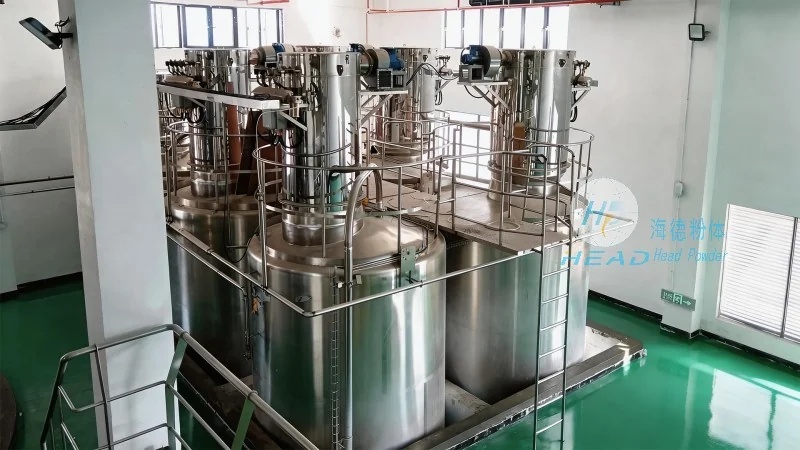
The Rice Husk Ash Powder Conveying System offers several advantages that make it an ideal solution for handling rice husk ash. One of the primary benefits is its ability to handle fine, lightweight powders with minimal particle degradation, which is critical for maintaining the quality of the material. The system is also designed to be energy-efficient, with optimized air flow rates that reduce energy consumption and operating costs. Additionally, the system is easy to maintain and operate, with simple controls and minimal downtime.
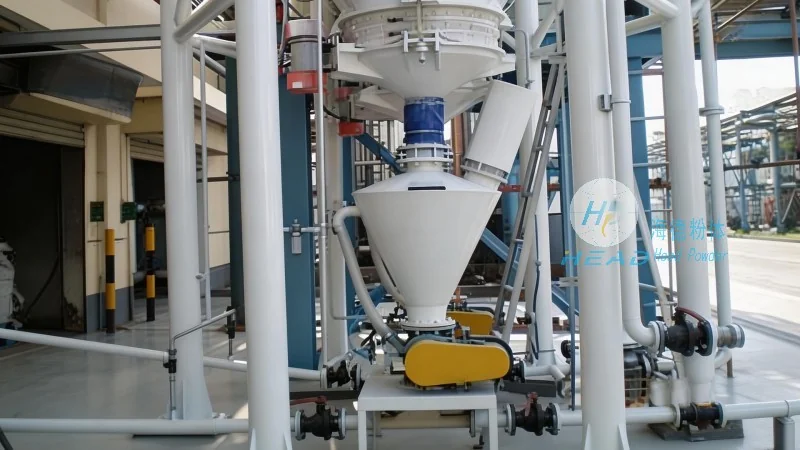
Applications of the Rice Husk Ash Powder Conveying System are widespread across various industries. Rice husk ash is commonly used as a raw material in the production of cement, bricks, and other building materials. The system is also used in the chemical industry for the production of activated carbon and other products. Furthermore, the system can be used in the agricultural sector for the production of fertilizers and other soil amendments. The versatility of the system makes it suitable for a wide range of applications, from small-scale operations to large industrial plants.
Conclusion
HeadPowder’s Rice Husk Ash Powder Conveying System is a reliable and efficient solution for the transportation of rice husk ash. The system’s design and components are tailored to the unique properties of rice husk ash, ensuring optimal performance and minimal material loss. With its energy-efficient operation and easy maintenance, the system is an ideal choice for industrial applications. HeadPowder, with its expertise in engineering and manufacturing, continues to provide high-quality solutions for the powder handling industry, helping businesses to improve their operational efficiency and productivity.